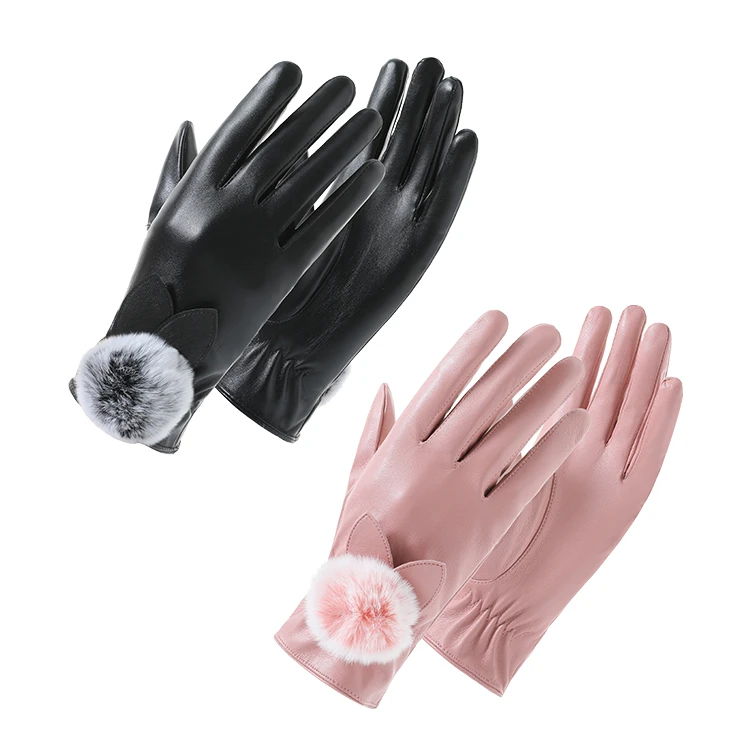
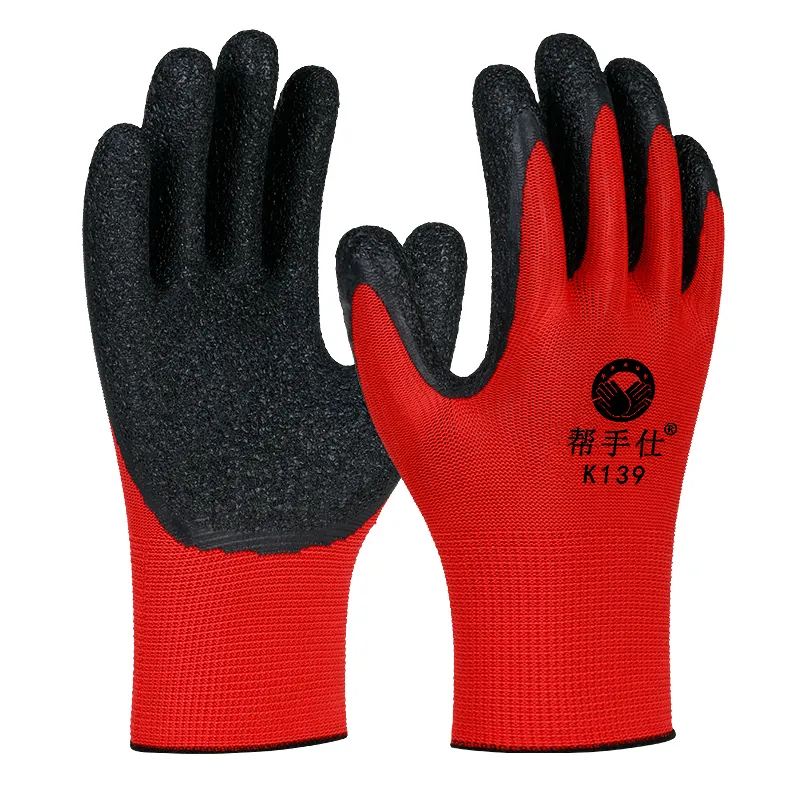
High Quality Non Slip Wholesale Thermal Gloves for Industry
Maintaining manual dexterity in freezing conditions is a critical challenge for industries ranging from logistics to outdoor sports. The ability to operate touchscreen devices without exposing skin to the cold has transitioned from a luxury to an operational necessity. For procurement managers and distributors, sourcing protective handwear that balances thermal insulation with functional grip is paramount to ensuring worker safety and efficiency during winter months.
The solution lies in advanced composite materials that integrate heat-retention fabrics with precision-engineered coatings. By utilizing a combination of elastic cotton cloth and specialized silica gel, these gloves provide a snug, ergonomic fit that prevents heat leakage while maintaining a secure hold on tools. This integration of thermal protection and smart-technology compatibility makes them an ideal choice for high-volume B2B procurement in the modern protective equipment market.

Advanced Material Composition for Maximum Thermal Efficiency
The effectiveness of cold-weather hand protection depends entirely on the synergy between the outer shell and the inner lining. These gloves utilize a high-density cotton cloth structure, engineered to trap air pockets that act as a natural insulator. This prevents the rapid dissipation of body heat, ensuring that the wearer's hands remain warm even in stagnant, cold environments.
To address the common issue of slipping in damp or icy conditions, a silica gel coating is applied to the palms and fingers. Unlike standard rubber, this silica gel provides a high-friction interface that adapts to the shape of the object being held. The ergonomic non-slip design ensures that whether the user is handling small tools or operating heavy machinery, the grip remains constant, reducing the risk of workplace accidents.
Furthermore, the inclusion of conductive fingertips allows for seamless interaction with capacitive screens. This eliminates the need to remove the gloves to answer calls or check logistics data, which is often the primary cause of heat loss and frostbite risk in professional outdoor settings.

Operational Applications and User-Centric Design
Versatility is a core requirement for bulk buyers who serve diverse client bases. These gloves are specifically designed for scenarios where flexibility cannot be sacrificed for warmth. The elastic fabric ensures a "free size" fit that contours to the hand shape, preventing the bulkiness typically associated with winter gear, which often hinders the ability to hold small components or precision instruments.
Common application scenarios include:
- Logistics and Warehousing: Ideal for staff operating in cold-storage facilities who need to use handheld scanners.
- Winter Sports and Recreation: Providing a balance of warmth and dexterity for outdoor enthusiasts.
- Technical Maintenance: Suitable for electricians or technicians who require basic insulation without losing the tactile feedback needed for wiring.
- Daily Commuting: A consumer-grade solution for urban users requiring touchscreen access in winter.
The 24cm length provides adequate wrist coverage, acting as a seal against cold drafts and ensuring that the warmth generated by the hand is retained within the glove's interior.
Procurement Considerations for Large-Scale Distribution
When sourcing wholesale thermal gloves, buyers must evaluate the trade-off between material durability and breathability. A glove that is too thick may cause perspiration, which subsequently freezes and leads to colder hands. The use of breathable cotton cloth in this design ensures that moisture is managed effectively, maintaining a dry internal environment.
From a logistics perspective, packaging efficiency is vital to minimize shipping costs. With a standardized packing size of 672852cm and a weight of approximately 16.72kg per 200 pairs, these products are optimized for container loading and warehouse storage. This precision in packaging allows distributors to calculate land-cost accurately and manage inventory turnover more effectively.
Quality control remains the most significant variable in B2B glove procurement. Buyers should look for consistency in the silica gel application to ensure that the non-slip properties are uniform across all pairs in a shipment, preventing performance variances that could lead to customer dissatisfaction or safety failures.
Technical Specifications and Performance Matrix
| Feature Parameter | Specification Detail | Performance Benefit | Industry Suitability |
|---|---|---|---|
| Coating Material | Silica Gel | High-friction non-slip grip | Industrial/Sports |
| Main Structure | Cotton Cloth Suture | Thermal insulation & breathability | Outdoor Work |
| Dimensions | 24cm Length / Free Size | Universal fit & wrist protection | General Purpose |
| Special Feature | Conductive Fingertips | Touchscreen compatibility | Logistics/Tech |
| Packing Ratio | 200 Pairs / 16.72kg | Optimized shipping density | B2B Distribution |
Manufacturing Excellence and Quality Assurance
The quality of a thermal glove is determined during the curing process of the coating. By leveraging the industrial agglomeration of the Xinji leather and fur base, the production process integrates international cutting-edge technology to ensure that the silica gel adheres perfectly to the cotton fabric. This prevents peeling and ensures that the non-slip functionality lasts throughout the product's lifecycle.
A rigorous quality control framework is implemented, covering every stage from raw material sourcing to final packaging. This includes testing the elasticity of the fabric to ensure it returns to its original shape after repeated use, and verifying the conductivity of the fingertips to ensure they work across various smartphone and tablet brands.
The ability to provide OEM and ODM services allows clients to customize these products further, whether through private labeling or specific accessory adjustments. This flexibility ensures that the final product aligns perfectly with the brand identity and the specific functional requirements of the target end-user.
Future Trends in Cold-Weather Hand Protection
The industry is moving toward "smarter" materials that can adapt to temperature changes. We are seeing an increase in demand for eco-friendly sustainable materials that do not compromise on thermal performance. The integration of recycled polymers in coatings and organic cottons in the shell is becoming a priority for brands targeting the European and North American markets.
Additionally, the intersection of wearable technology and hand protection is expanding. Future iterations of thermal gloves will likely integrate more sophisticated sensors and biometric monitoring, while maintaining the core requirements of warmth and grip. For distributors, staying ahead means sourcing products that already bridge the gap between traditional protection and digital utility.
As urban environments become more reliant on mobile interfaces, the demand for seamless touchscreen integration will only grow. Products that prioritize a "natural feel" while providing industrial-grade warmth will dominate the wholesale market over the next decade.
Frequently Asked Questions Regarding Thermal Glove Procurement
What makes silica gel coating superior to standard rubber for these gloves?
Silica gel offers a more refined grip and better durability across various temperatures. It provides a higher coefficient of friction on smooth surfaces and is generally more resistant to cracking in extreme cold compared to traditional rubber coatings.
Are these gloves suitable for professional industrial use?
Yes, the ergonomic non-slip design and durable cotton structure make them suitable for light to medium industrial tasks, especially in logistics and maintenance where touchscreen access and basic thermal protection are required.
How does the "free size" design ensure a proper fit?
The use of high-elasticity fabric allows the glove to expand and contract according to the wearer's hand size, providing a snug fit that prevents heat loss without restricting blood flow or dexterity.
Can these be customized with private branding (OEM)?
Yes, OEM and ODM services are available, including the development of custom branded accessories and packaging to align the product with your company's private label requirements.
What is the typical shipping density for wholesale orders?
The products are packed in cartons of 672852cm, containing 200 pairs with a total weight of approximately 16.72kg, allowing for efficient shipping and storage management.
Do the conductive fingertips work on all touchscreen devices?
The conductive materials used are designed to be compatible with the majority of capacitive touchscreens used in modern smartphones and tablets, regardless of the operating system.
Industry Resources and Technical Standards
- ISO Standards for Protective Clothing and Equipment
- OSHA Guidelines for Personal Protective Equipment (PPE)
- NIST Material Thermal Conductivity Research
- HSE Hand Protection and Safety Guidelines
Selecting the right thermal protection is a balance of material science and operational requirement. By focusing on the synergy between silica gel grip and cotton-based insulation, businesses can ensure their workforce remains productive and safe in the harshest winter conditions.
Related Professional Handwear Solutions