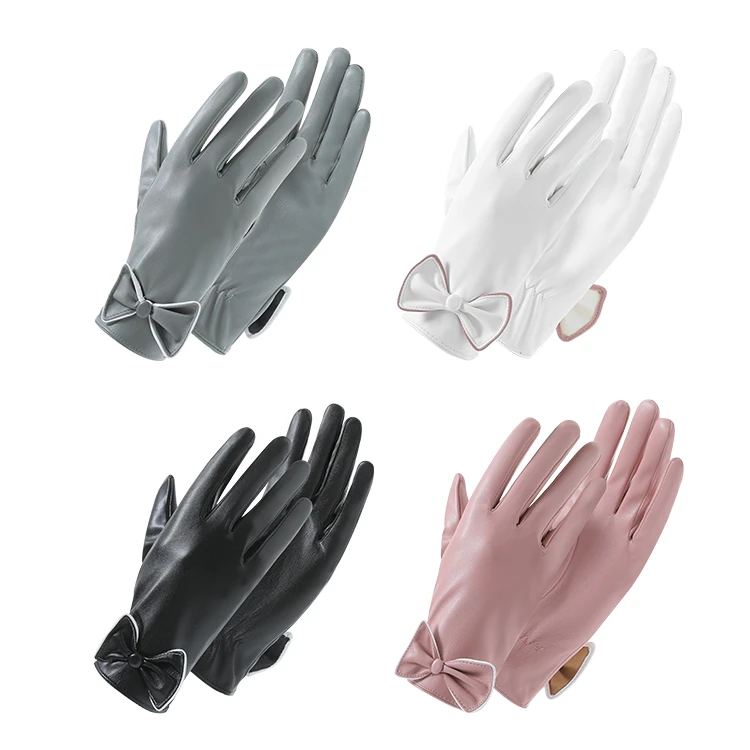
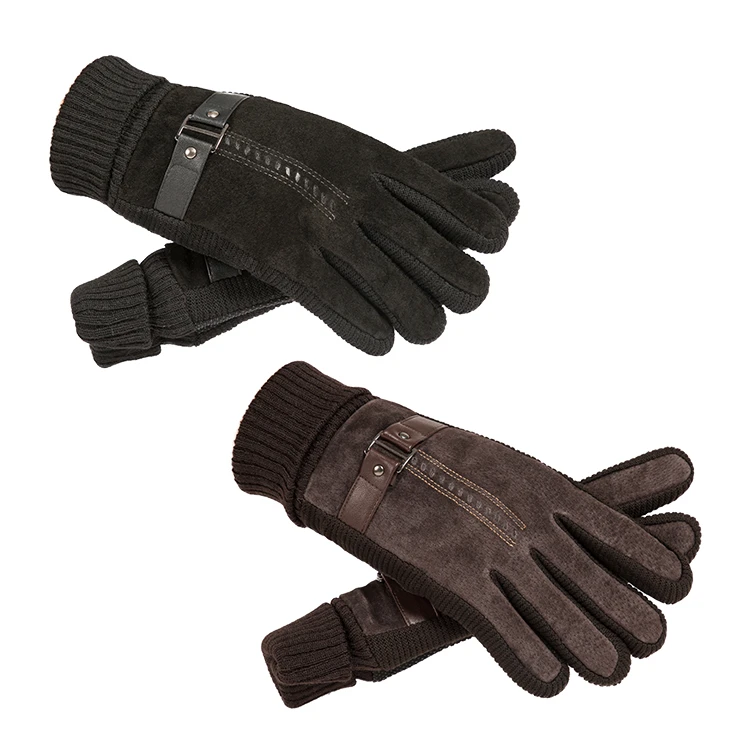
Premium pigskin leather Solutions for Bolivia

Engineering high-performance, durable, and bespoke leather hand protection tailored for the diverse climatic demands of the Bolivian market.

Premium pigskin leather Solutions for Bolivia

Specializing in the manufacturing of industrial and luxury handwear, our solutions integrate advanced tanning processes and ergonomic designs to meet the rigorous standards of Bolivian leather goods distributors.

The Current State of Glove Manufacturing in Bolivia

Analyzing the intersection of Andean topography and leather industry requirements.

The leather industry in Bolivia is characterized by a strong tradition of artisanal craftsmanship, yet it faces significant challenges in scaling for international exports. In regions like La Paz and Santa Cruz, there is a growing demand for personalised leather gloves that can withstand both the high-altitude dryness of the Altiplano and the humid tropical lowlands.

Currently, the market is shifting from generic mass-produced items to specialized equipment. This is particularly evident in the automotive and industrial sectors, where the need for high-grip personalised driving gloves has surged due to the increase in luxury vehicle imports and the growth of professional transport services.

Furthermore, the adoption of high-durability materials is critical. The use of pigskin lining leather has become a benchmark for quality, providing the necessary breathability and abrasion resistance required for the local mining and agricultural work-wear segments.
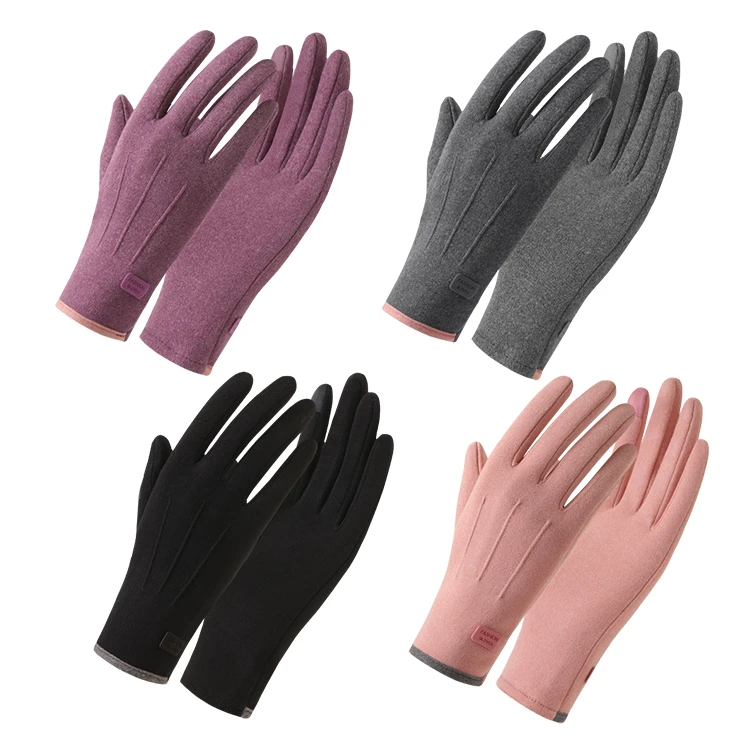
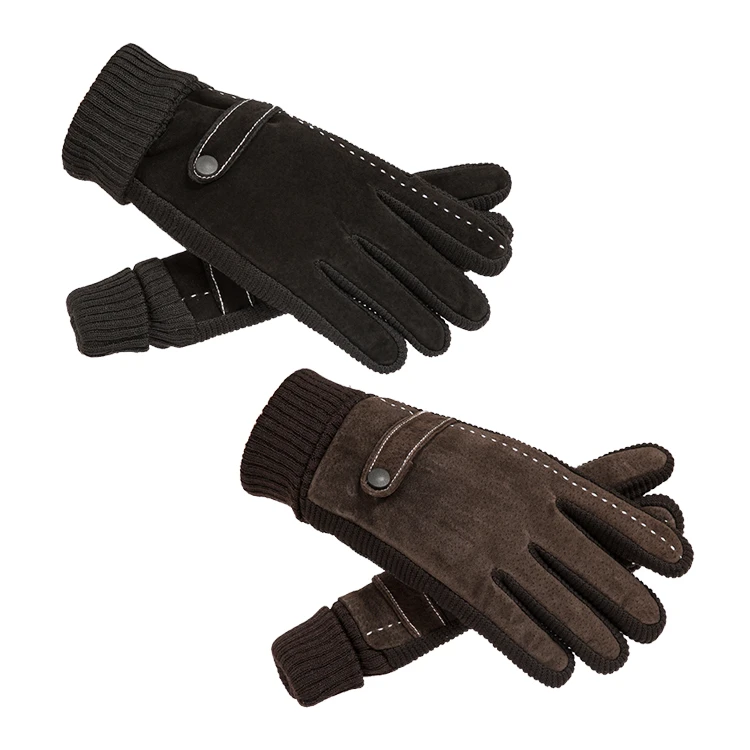
Evolution of Leather Craftsmanship in the Andean Region

From traditional tanning to precision-engineered safety wear.

Market Development History

Historically, the Bolivian leather sector relied on basic vegetable tanning and manual cutting, producing heavy-duty gloves primarily for the livestock industry. Between 1990 and 2010, the focus shifted toward urban fashion, introducing basic luxury leather goods into the Santa Cruz markets.

The 2010-2020 decade marked a technical pivot toward material specialization. Manufacturers began integrating pigskin leather for its superior strength-to-weight ratio, moving away from inferior synthetic blends that failed in the extreme Bolivian climate.

By 2023, the industry entered the "Customization Era." The rise of e-commerce and direct-to-consumer trends led to the widespread implementation of bespoke sizing, including the production of plus size leather gloves to accommodate a broader range of professional demographics.

Future Development Trends

Smart Material Integration

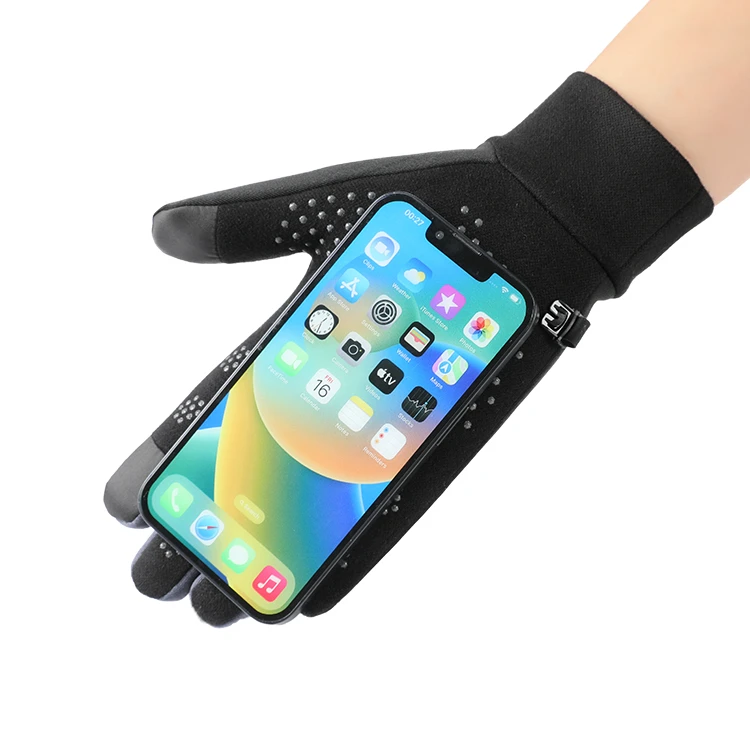
The next 3 years will see the integration of conductive threads into leather palms, allowing for touchscreen compatibility without sacrificing the durability of the hide.

Eco-Tanning Protocols

Driven by global ESG standards, there is a rapid move toward chrome-free tanning processes to reduce the environmental footprint in Bolivian watersheds.

Hyper-Personalization

AI-driven sizing tools will replace traditional measurement charts, ensuring that bespoke orders for luxury wear are precise to the millimeter.

Industrial Forecast and Technological Outlook

Predicting the trajectory of the leather manufacturing sector through 2028.

Adaptive Ergonomics
Developing gloves that adapt to hand temperature changes, crucial for the drastic diurnal temperature swings in Bolivia.
Material Hybridization
Combining leather with Kevlar or Nomex for specialized industrial safety gloves used in the Bolivian mining sector.
Supply Chain Digitalization
Implementation of blockchain for leather sourcing traceability, meeting new EU and US import regulations.
Customized Sizing
Expansion of the range to include specialized larger fits, reducing the market gap for professional plus-size equipment.

Industry Outlook

Based on Google Search trends for "luxury leather" and "protective gear" in the South American region, we anticipate a 15% annual growth in demand for high-specification leather goods. The focus is shifting from quantity to longevity and technical performance.

The synergy between traditional leatherwork and modern chemical engineering will allow Bolivian firms to move up the value chain, transforming from raw material exporters to providers of high-end, finished leather products.

Localized Application Scenarios in Bolivia

Real-world implementations of our leather manufacturing expertise across different sectors.

1. High-Altitude Logistics and Transport

Utilizing personalised driving gloves for long-haul drivers navigating the precarious roads of the Andes, combining grip and thermal insulation.

2. Mining Sector Protective Wear

Implementing heavy-duty gloves made from reinforced pigskin leather to protect workers against abrasions and chemical splashes in the Potosí mines.

3. Luxury Retail in Santa Cruz

Providing high-end boutiques with personalised leather gloves that feature bespoke embroidery and premium finishes for the urban elite.

4. Industrial Safety for Large-Scale Machinery

Manufacturing plus size leather gloves for plant operators who require unrestricted movement without compromising safety standards.

5. Specialized Lining for Winter Footwear

Integrating pigskin lining leather into high-end boots designed for the Altiplano winter, ensuring moisture management and warmth.

Brand Story

Global Development Process of Xinji City Arima Apparel Co., Ltd.

Foundational Craftsmanship

Established with a mission to solve the durability gap in industrial leatherwear, focusing on the precision of hide selection.

Technical Innovation

Introduced advanced tanning technologies that enhanced the flexibility and lifespan of the leather, reducing material waste.

Global Market Expansion

Expanded our footprint into South America, adapting our production lines to meet the specific climatic needs of Bolivian clients.

Bespoke Solution Mastery

Developed a sophisticated customization system allowing for precise sizing and material blending for professional use.

Sustainable Future

Committing to eco-friendly manufacturing and ethical sourcing to lead the leather industry into a greener era.

Comprehensive Leather Glove Portfolio for Bolivia

From rugged industrial protectors to luxury bespoke accessories, tailored for every Bolivian need.

Frequently Asked Questions for the Bolivian Market

Expert answers to technical and commercial queries regarding leather procurement.

How do personalised driving gloves perform in high-altitude environments?

Our driving gloves are treated with specific conditioners to prevent the leather from cracking in the low-humidity, high-UV conditions typical of the Bolivian highlands.

What are the benefits of using pigskin leather for industrial work in Bolivia?

Pigskin offers superior breathability and natural abrasion resistance, making it ideal for the diverse temperature ranges found across Bolivian industrial sites.

Can you provide plus size leather gloves for heavy-duty industrial use?

Yes, we offer a comprehensive range of larger sizes, engineered to maintain structural integrity and safety performance regardless of the hand dimensions.

Is pigskin lining leather suitable for winter gear in La Paz?

Absolutely. It provides an excellent balance of thermal insulation and moisture wicking, preventing sweat buildup in cold climates.

What options are available for personalised leather gloves branding?

We offer debossing, precision embroidery, and custom color dyeing to ensure your brand identity is seamlessly integrated into the leather.

How do you ensure the quality of leather exports to South America?

Every batch undergoes rigorous tensile strength and flexibility testing to ensure it survives the transport and extreme usage conditions in Bolivia.

Get Professional Leather Consultation

Partner with the leaders in glove manufacturing to elevate your product line in Bolivia.

Contact Us Now

If you are interested in our products, you can choose to leave your information here, and we will be in touch with you shortly.