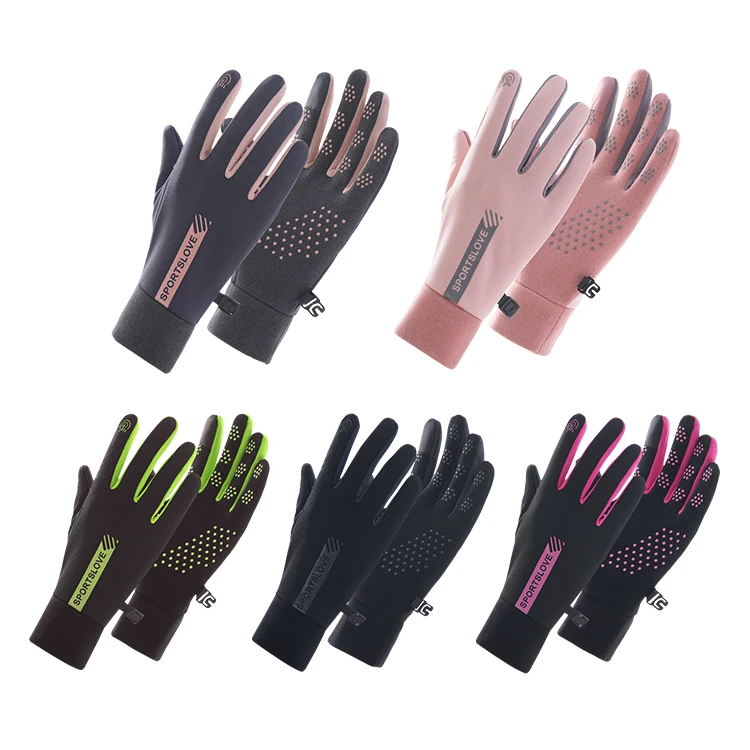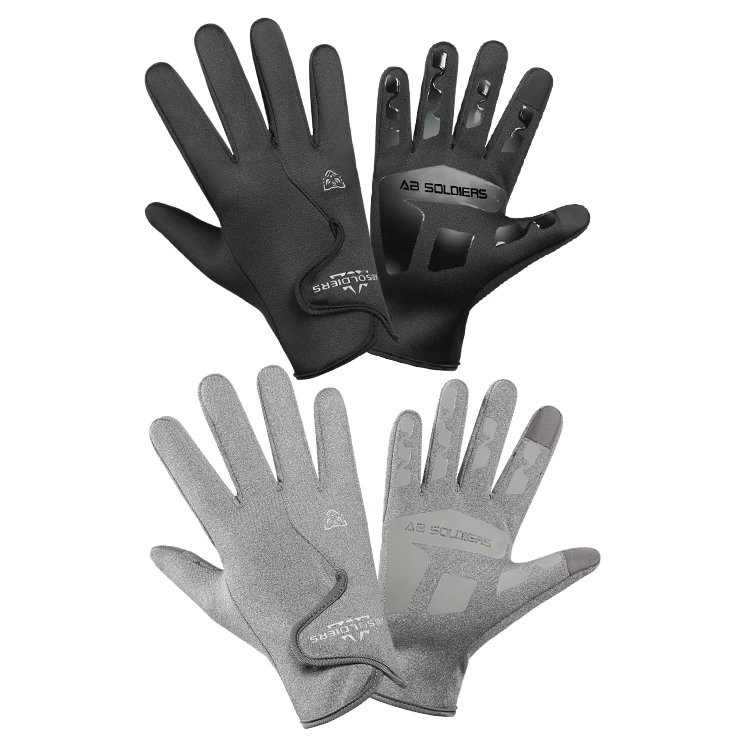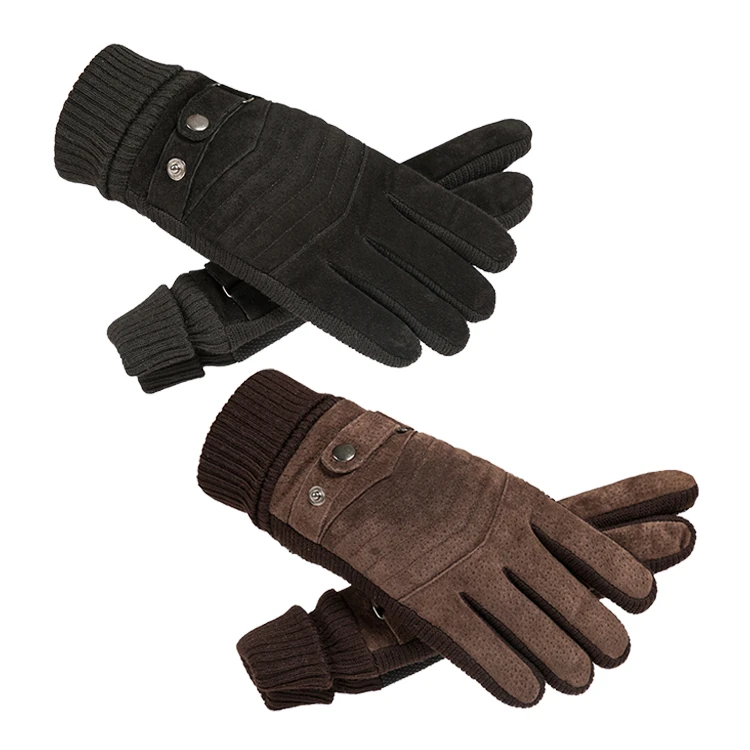
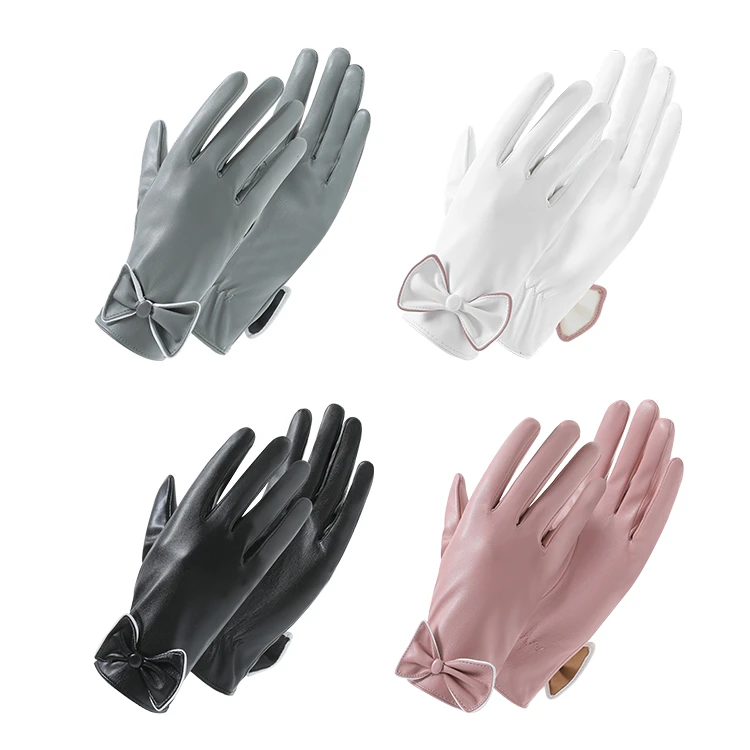
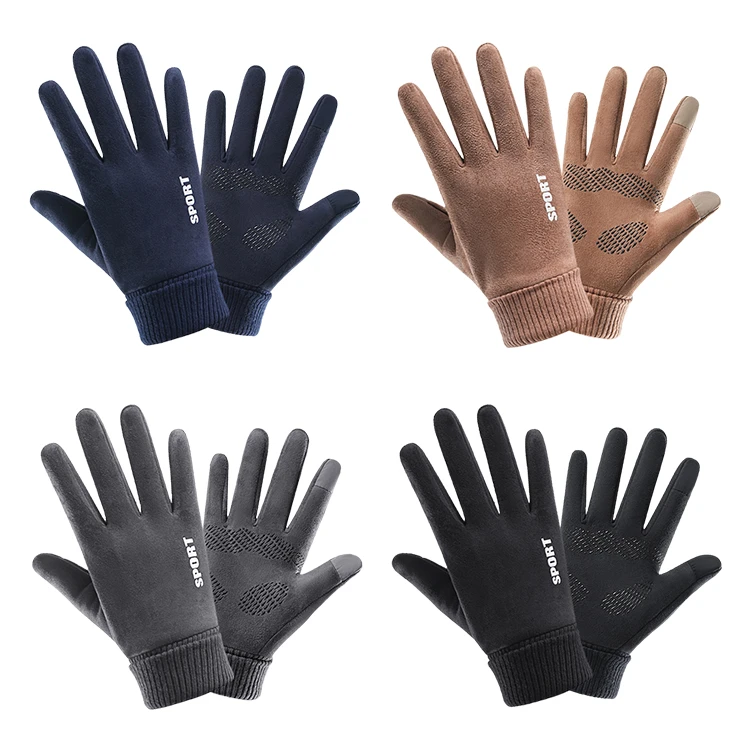
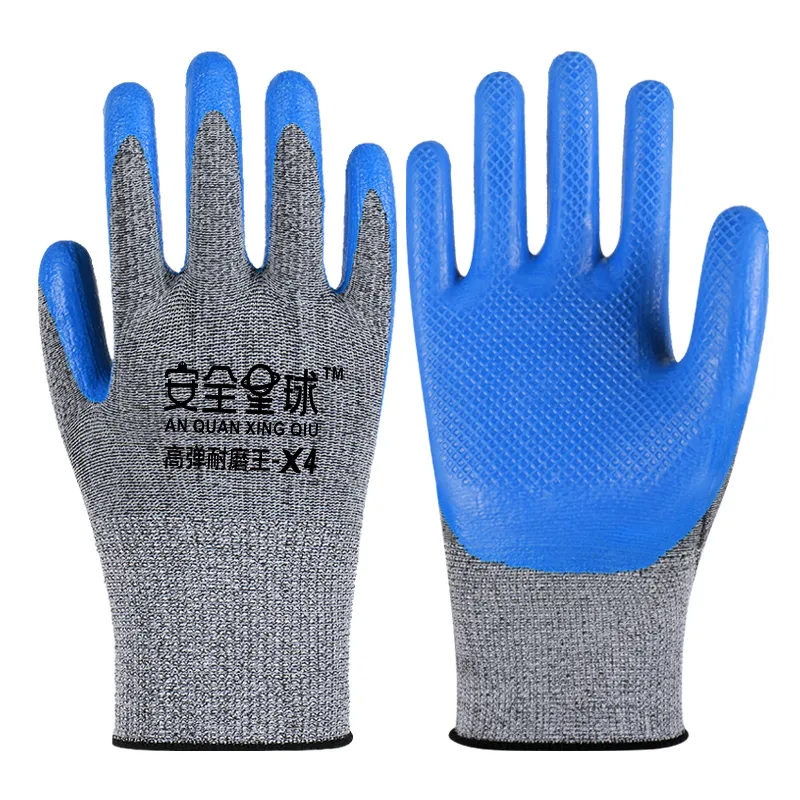
In Equatorial Guinea, the demand for specialized protective wear is increasingly driven by the growth of the energy and infrastructure sectors. The humid, tropical climate necessitates materials that can withstand moisture without compromising structural integrity. This environment makes pigskin leather a preferred choice due to its natural breathability and superior resistance to abrasion, ensuring that industrial workers and drivers maintain a secure grip under challenging conditions.
As the local market evolves, there is a noticeable shift toward personalized gear. Professionals are no longer seeking generic options but are moving toward personalised leather gloves that cater to specific ergonomic needs. This transition is particularly evident in the automotive and luxury sectors, where precision fit and aesthetic customization are paramount. The ability to provide various sizes, including plus size leather gloves, has become a critical differentiator for suppliers aiming to serve a diverse workforce.
From an industry perspective, the supply chain for high-end leather goods in Central Africa often relies on international partnerships. By integrating advanced manufacturing techniques—such as the use of high-quality pigskin lining leather for enhanced internal comfort—manufacturers can bridge the gap between rugged utility and professional luxury. The focus is now on creating a sustainable procurement model that balances competitive pricing with the strict quality standards required for professional hand protection.