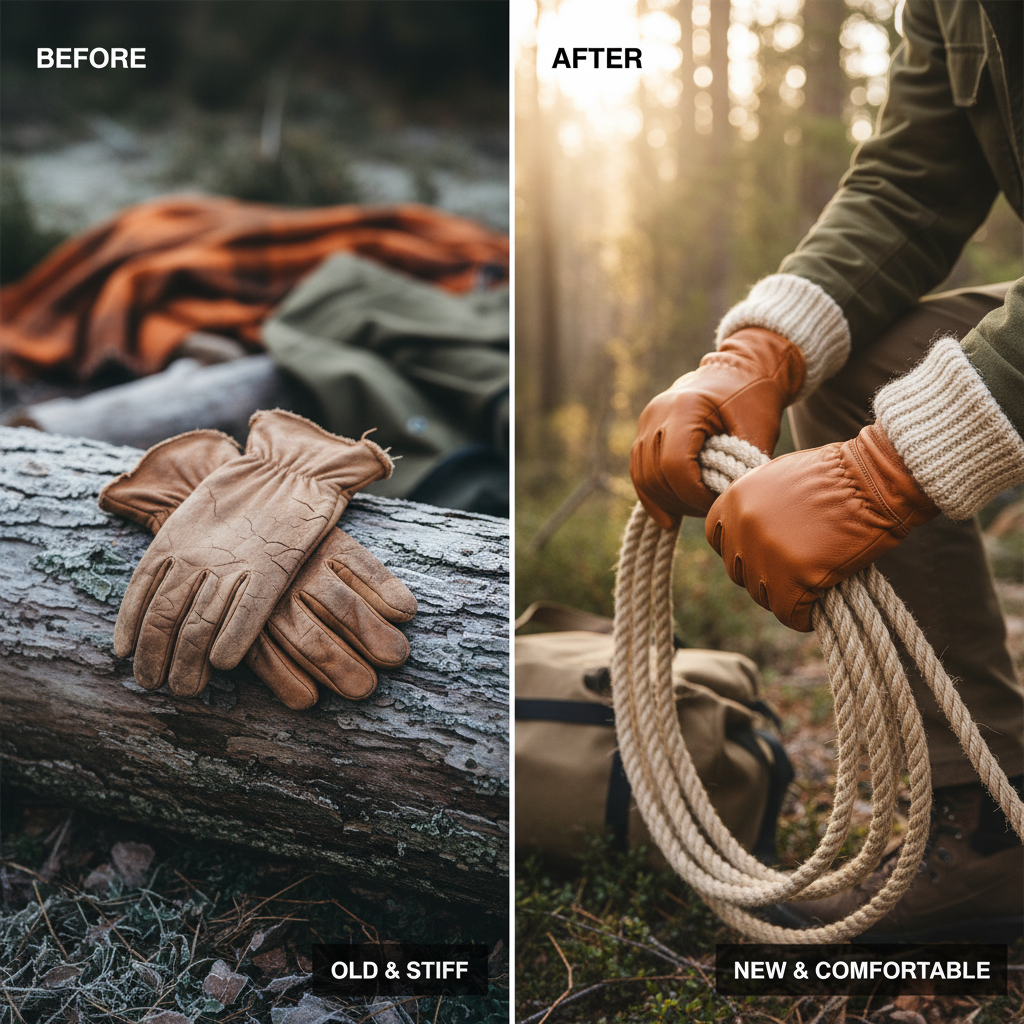
Cheap thermal gloves are specialized hand-protection garments designed to retain body heat and protect the wearer from low-temperature environments without requiring a premium budget. These gloves typically utilize a combination of synthetic linings and outer shells to create an insulating barrier, making them essential for outdoor work, winter sports, and industrial cold-storage operations.
For many procurement managers and individual users, the challenge lies in finding a balance between affordability and actual thermal performance. Low-cost options often sacrifice durability or breathability, leading to moisture buildup and eventual heat loss. Understanding the material science behind these gloves is key to avoiding "cheap" products that fail in critical cold-weather conditions.
This guide provides a comprehensive analysis of affordable thermal hand protection, exploring the technical specifications of budget-friendly materials, application scenarios for industrial use, and a selection framework to help you maximize value per dollar spent on hand safety.

1Understanding Budget Thermal Insulation

Thermal insulation in affordable gloves relies on trapping a layer of air between the skin and the outer environment. By using materials like brushed polyester or synthetic fleece, these gloves create small air pockets that minimize heat transfer. While premium gloves might use high-end aerogels or genuine down, budget versions achieve significant warmth through dense knitting and synthetic linings.
The cost-effectiveness of these gloves is often achieved through the use of synthetic leather or PU coatings, which provide necessary abrasion resistance while keeping production costs low. This allows enterprises to provide essential protection to a large workforce without exceeding operational budgets.
However, the trade-off is often found in the longevity of the materials. Lower-cost synthetic fibers may wear down faster than professional-grade aramid or high-density nylon, meaning a strategy of frequent replacement is often more economical than a single high-cost purchase.
2Core Features of Affordable Cold-Weather Gear
High-value thermal gloves focus on a few critical features to ensure functionality. First is the ergonomic fit; a glove that is too loose allows cold air to enter, while one that is too tight restricts blood flow, ironically making the hands feel colder. Most budget-friendly options now include adjustable wrist closures to seal out debris and wind.
Breathability is another essential feature. Without a moisture-wicking lining, perspiration becomes trapped, leading to dampness. In freezing temperatures, damp hands freeze much faster than dry ones. Quality budget gloves utilize polyester blends that move moisture outward through the fabric layers.
Additionally, the outer shell's texture plays a role. Latex or PU coatings are frequently used to provide a non-slip grip, which is critical for safety when handling cold, wet, or metallic tools in a warehouse or construction environment.
3Industrial Applications and User Scenarios
Cheap thermal gloves are widely deployed in logistics and cold-chain management. Workers in refrigerated warehouses require consistent warmth to maintain dexterity. For these users, a combination of a thermal lining and a waterproof outer shell is preferred to prevent condensation from penetrating the glove.
In the automotive and construction industries, these gloves serve as a primary layer of protection during winter months. The focus here is often on a balance between warmth and the ability to perform precision tasks, such as handling small screws or operating machinery controls.
Furthermore, the sports and leisure sector utilizes these gloves for activities like running or cycling, where lightweight warmth and wind resistance are prioritized over heavy-duty abrasion resistance. The use of cashmere-lined synthetic leather provides a premium feel at a low cost.
4Performance Metrics and Efficiency Analysis
When evaluating the performance of budget thermal gloves, the key metric is the Clo value (clothing insulation unit). While professional mountaineering gear has very high Clo values, industrial thermal gloves are optimized for "active warmth," meaning they provide enough insulation for a moving worker without causing overheating.
Efficiency is also measured by the grip-to-warmth ratio. Many heavily insulated gloves are bulky, which reduces the user's ability to grip tools securely. Modern affordable designs use compressed synthetic fibers to maintain a slim profile while providing high thermal retention.
cheap thermal gloves Performance Metrics
As shown in the performance metrics, budget-optimized thermal gloves can actually outperform generic industry averages in grip strength and basic insulation due to the use of modern polymer coatings and high-density synthetic linings.
5Procurement Criteria for High-Value Gloves
Procuring gloves at scale requires a focus on "Total Cost of Ownership" rather than just the unit price. A very cheap glove that lasts two weeks is more expensive than a slightly more costly glove that lasts two months. Key criteria should include the denier of the outer fabric and the GSM (grams per square meter) of the thermal lining.
Sample testing is critical. Procurement teams should evaluate the "dexterity loss" by having workers perform common tasks while wearing the gloves. If the gloves are too thick, productivity drops, which outweighs any savings from the lower purchase price.
Finally, consider the MOQ (Minimum Order Quantity) and the supplier's ability to provide OEM services. Customizing the glove for specific task requirements—such as reinforced palms for heavy lifting—can significantly increase the product's utility.
6Future Trends in Sustainable Thermal Materials
The industry is shifting toward eco-friendly synthetic materials. Recycled polyester (rPET) is becoming a standard for thermal linings, offering the same insulating properties as virgin polyester but with a lower carbon footprint. This allows companies to meet sustainability goals without increasing costs.
Another trend is the integration of graphene-enhanced fabrics. While once expensive, graphene is becoming more accessible in budget-friendly lines, providing superior heat distribution across the hand, which eliminates "cold spots" in the fingertips.
We also see a move toward modular hand protection, where a thin thermal liner is sold separately from a durable outer shell. This allows users to swap the liner when it becomes worn or damp, extending the life of the more expensive outer material.
7Selection Comparison: Budget vs. Premium
Choosing between a budget thermal option and a premium professional glove depends entirely on the environment and the duration of exposure. For intermittent cold exposure or high-turnover environments, budget options are objectively more efficient.
The following table compares common attributes to help decision-makers determine which category of hand protection fits their specific operational needs.
| Feature | Budget Thermal | Premium Professional | Best Use Case |
|---|---|---|---|
| Material | Synthetic/PU | Gore-Tex/Aramid | High-wear vs. Low-wear |
| Insulation | Brushed Fleece | Primaloft/Down | Moderate vs. Extreme Cold |
| Lifespan | Short to Medium | Long Term | Consumable vs. Investment |
| Dexterity | High (Slimmer) | Variable (Bulky) | Precision vs. Protection |
| Cost per Unit | Low | High | Mass Deployment |
| Maintenance | Replaceable | Repairable | Operational Speed |
Ultimately, the "best" glove is the one that ensures the worker's hands remain warm and safe without hindering their ability to perform the task. For many, the affordable thermal glove provides the optimal balance of cost and utility.
Frequently Asked Questions
Conclusion
Selecting the right affordable thermal gloves is a strategic decision that balances worker safety, operational productivity, and budget constraints. By focusing on material breathability, ergonomic fit, and the specific demands of the work environment, organizations can implement a hand-protection strategy that maximizes value without compromising on essential warmth.
For those evaluating suitable solutions for their workforce or personal use, detailed product specifications and customization options can be reviewed at www.personalcarescn.com.cn.