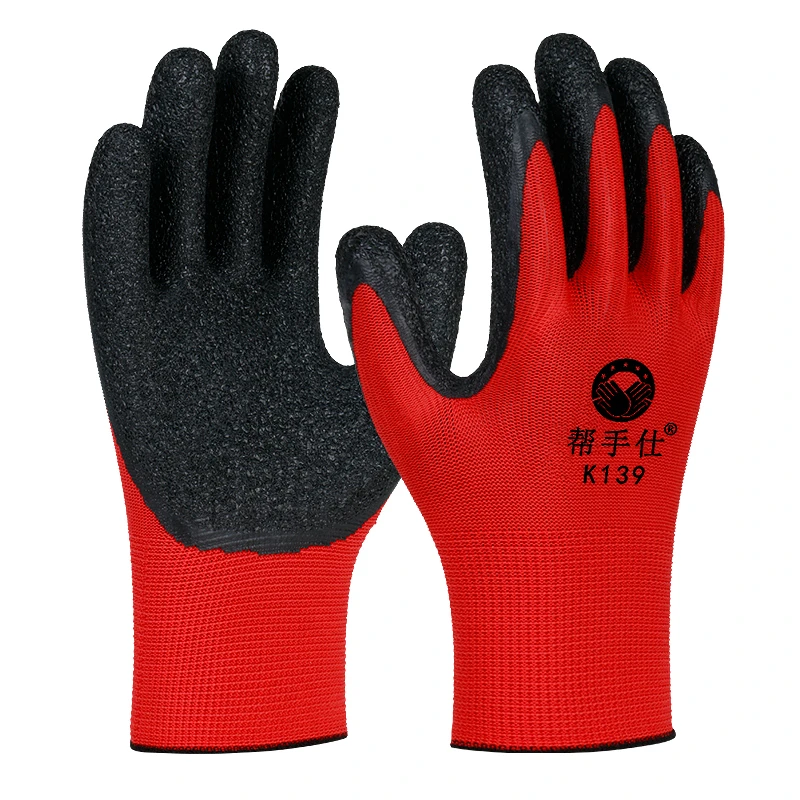
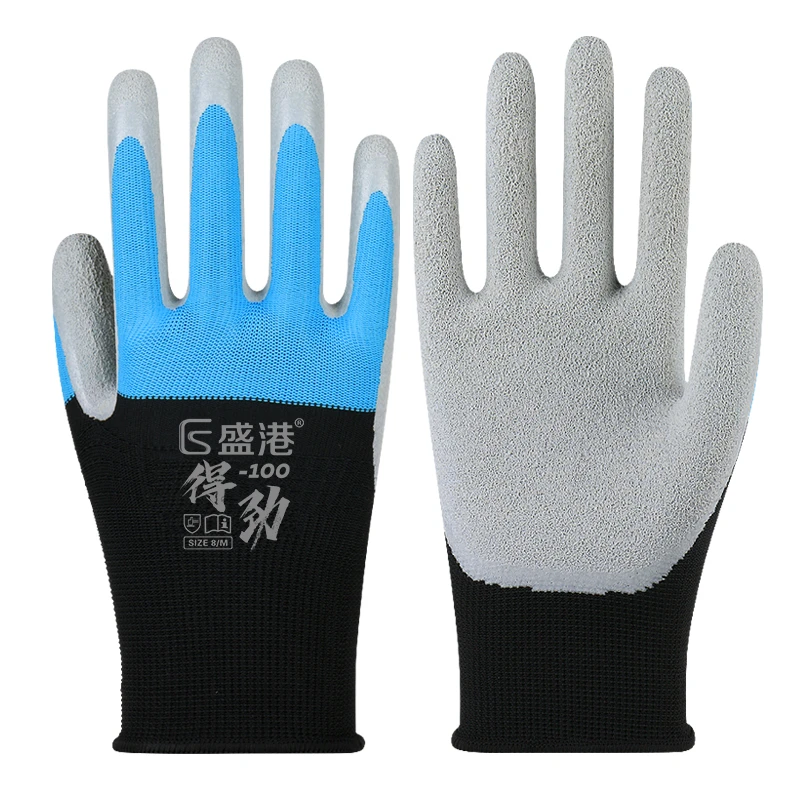
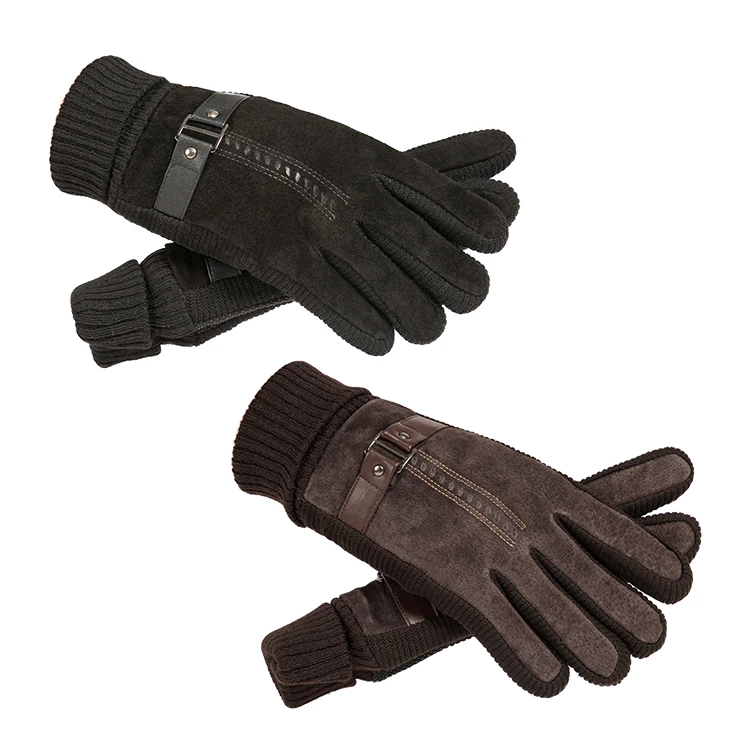
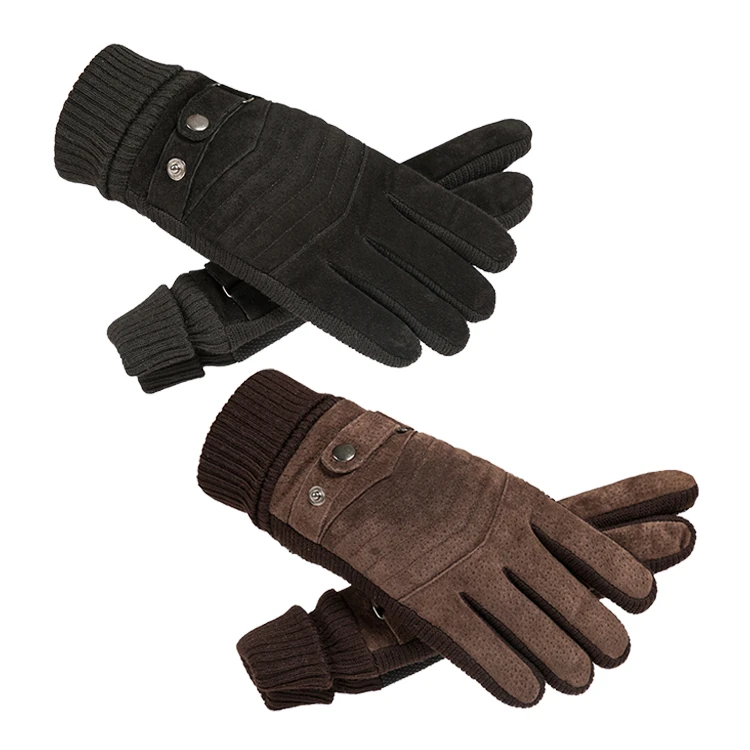
Thermal Gloves Price Comparison: Free Size Versus Sized Options
Thermal Gloves Price Comparison: Free Size Versus Sized Options

Winter PPE budgeting forces safety gear procurement managers to balance steep seasonal demand spikes against restrictive inventory commitments. Evaluating low-volume thermal glove sourcing requires analyzing initial capital requirements against long-term operational replacement costs.
Procurement teams facing volatile cold-weather demand weigh upfront cash flow against durability realities. Sourcing operations governed by strict batch minimums alter standard per-unit pricing dynamics significantly.
The evaluation framework directly contrasts free-size 200-pair minimum order quantity models against multi-sized tiered alternatives. Upfront financial exposure is determined by batch boundaries rather than speculative high-volume brackets.
Evaluating Initial Capital Commitment at the 200 Pairs MOQ Baseline
Budgeting for seasonal personal protective equipment requires assessing how strict batch boundaries dictate immediate cash outflow for commercial distribution. When procurement teams evaluate winter gear without speculative volume tiers, the 200 pairs MOQ baseline establishes an exact financial requirement for working capital. This fixed minimum order prevents tied-up capital in oversized inventories while supporting moderate-scale procurement.
Immediate cash flow planning remains stabilized because purchasing managers do not need to absorb volume pricing tiers that exceed active regional demand. Cash allocation stays aligned with actual distribution requirements when order quantities match this baseline.
Buyers may request applicable compliance documentation directly from the supplier prior to order placement.
Working capital forecasts depend directly on predictable unit minimums rather than variable pricing brackets. Sourcing operations maintain strict cost control when initial commitments reflect verified batch quantities.
Inventory carrying costs stay manageable at this scale. Financial exposure is thus limited during initial market deployment phases.
Sizing Limitations and Operational Deployment for Free-Size Thermal Gloves
Operational Boundaries of Universal Sizing
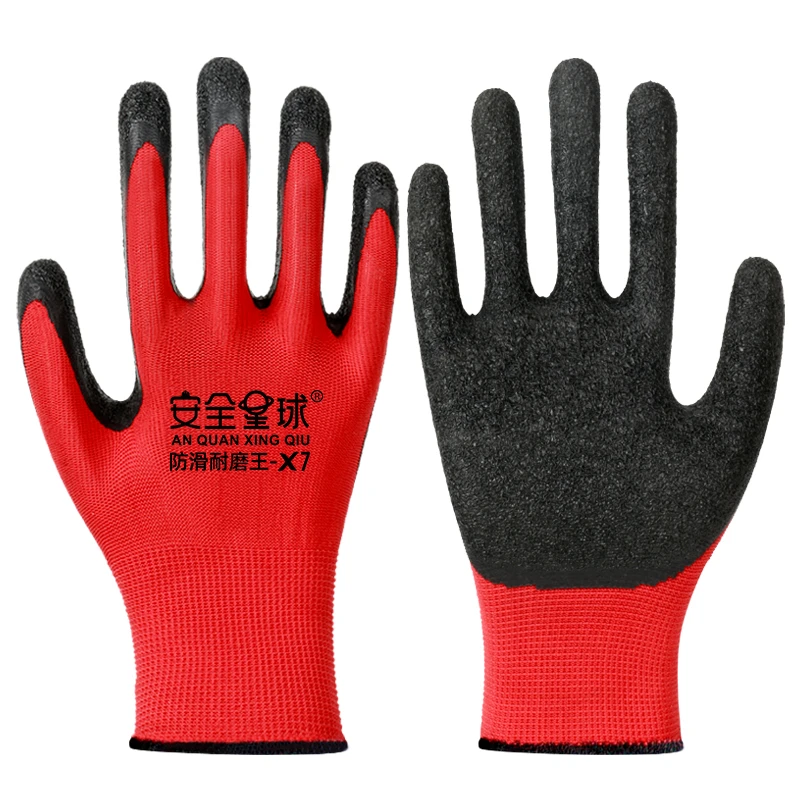
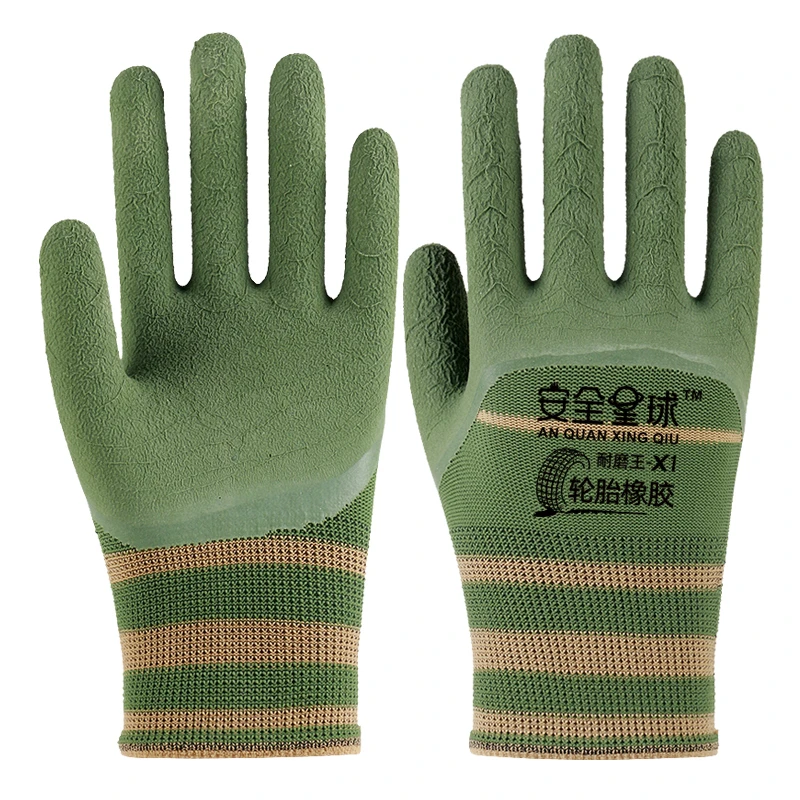
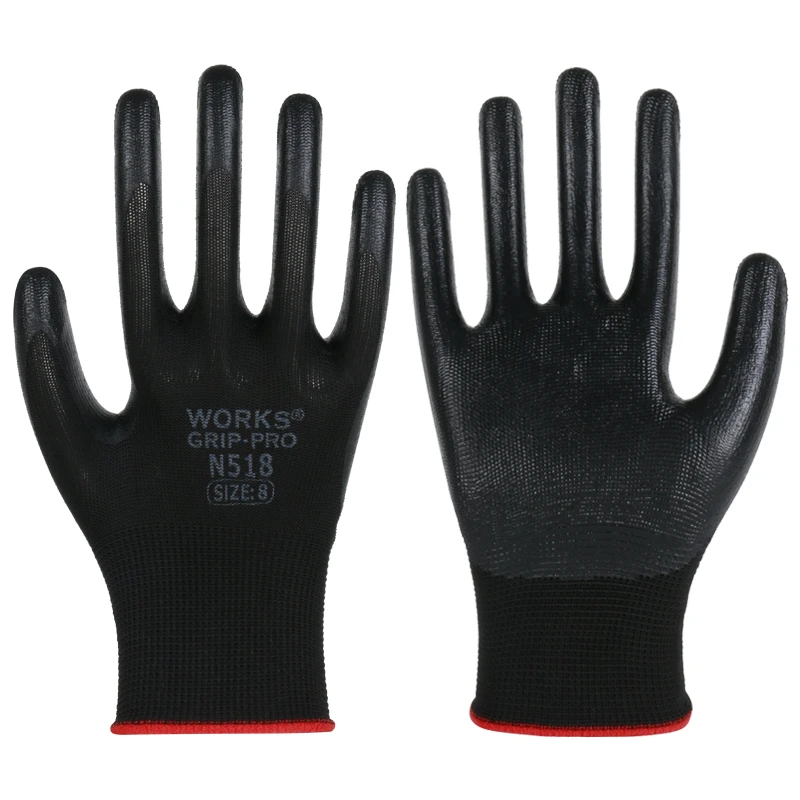
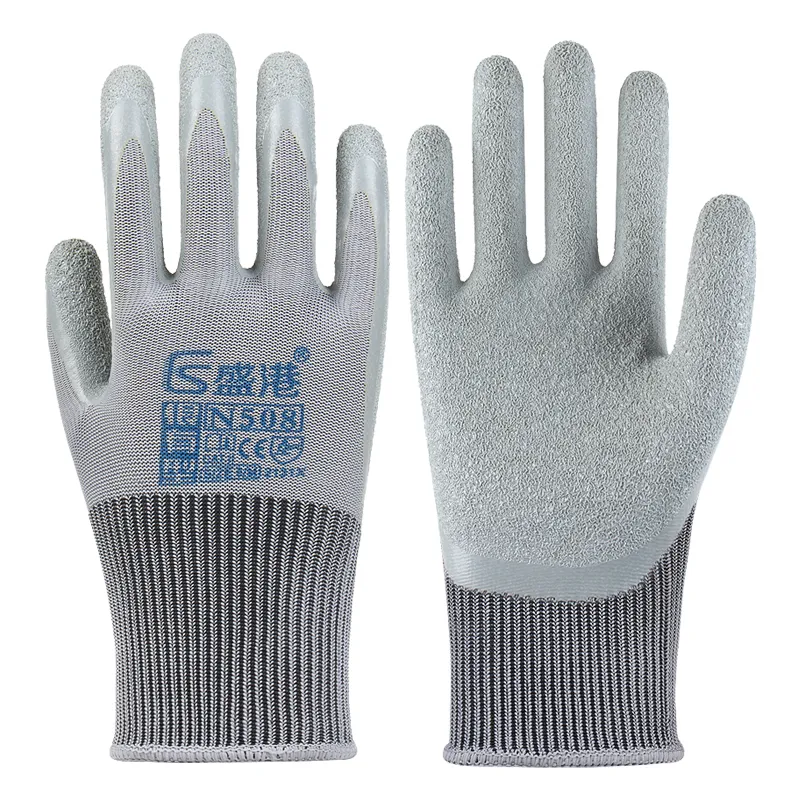
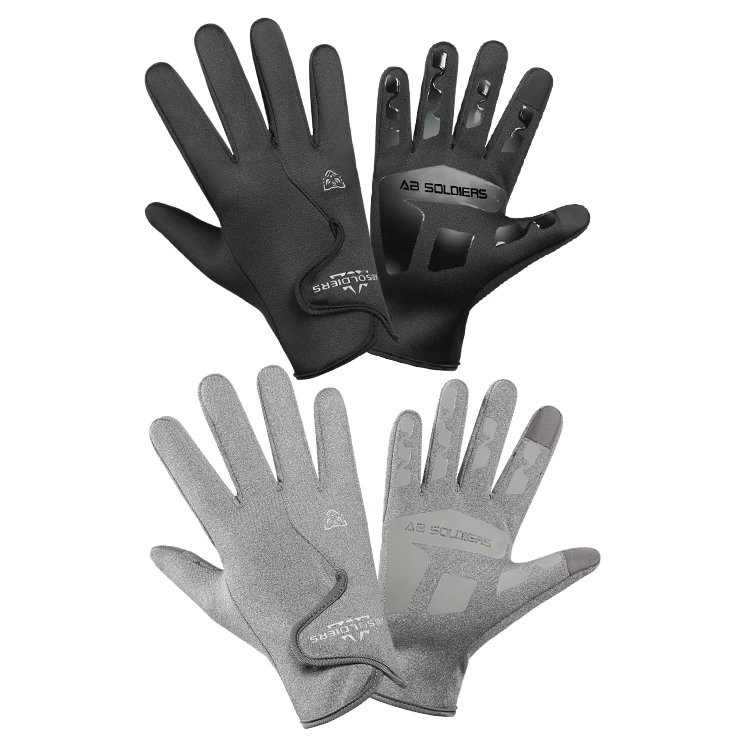
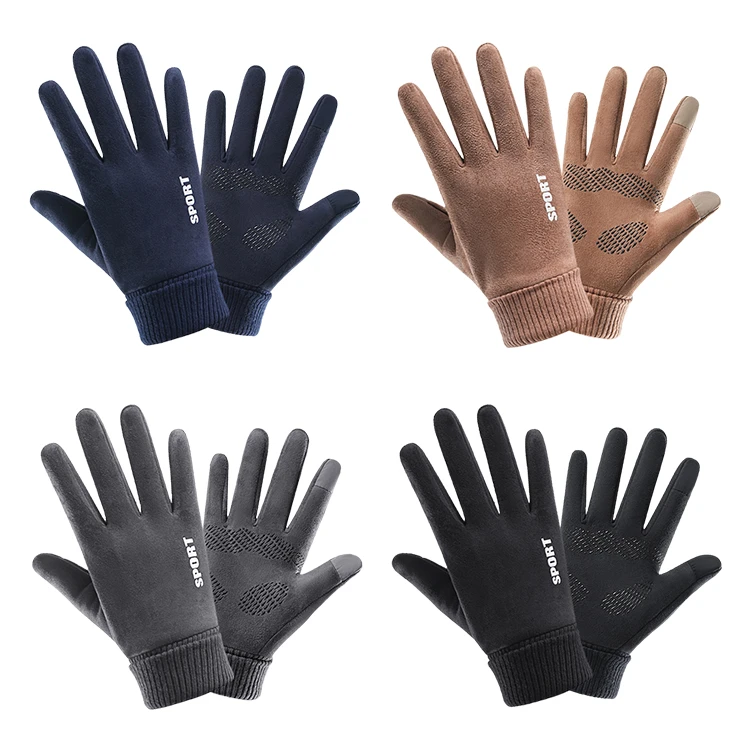
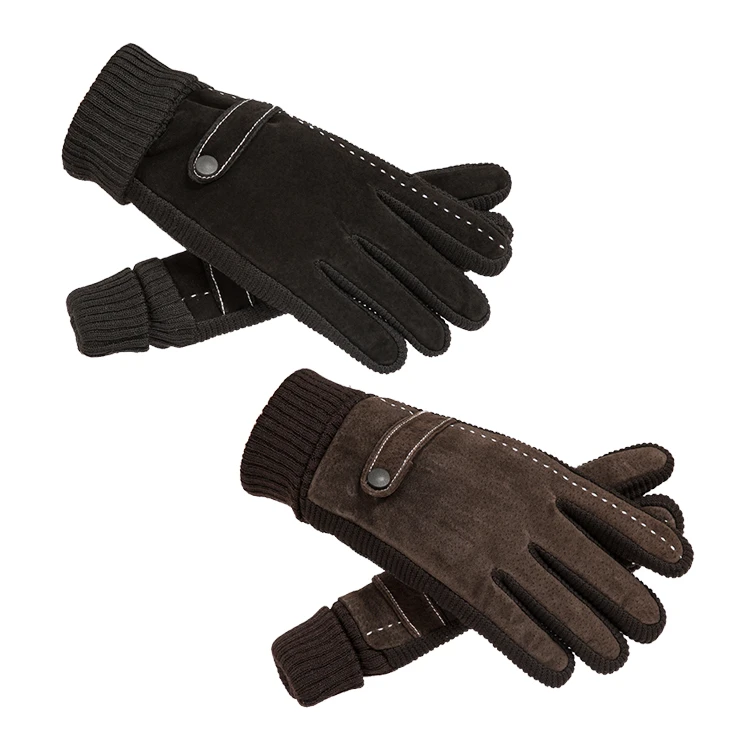
Universal free-size thermal gloves restrict deployment strictly to light-duty operations or promotional giveaways. Because these items lack graded dimensions, operators with larger or smaller hands experience restricted dexterity during extended shifts.
Operational scope remains limited where precision handling or high-dexterity manipulation is not the primary requirement. Light warehousing, general material handling, and seasonal promotional events represent the viable deployment ceiling for free-size PPE.
Productivity Risks in Heavy Industrial Tasks
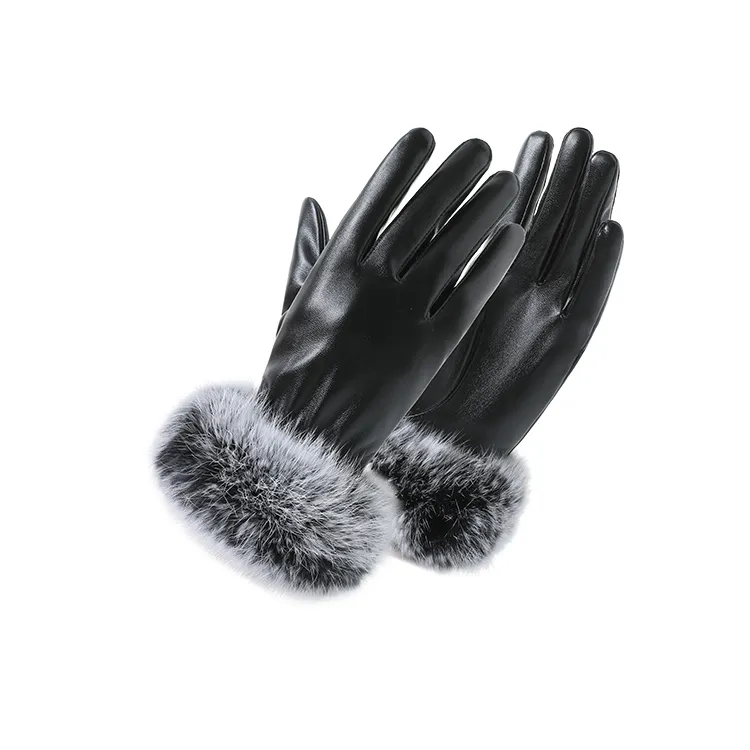
Improper sizing introduces measurable productivity risks across demanding industrial environments. Excess material at the fingertips reduces tactile feedback, while stretched palm areas create friction hotspots that accelerate hand fatigue.
Safety managers evaluating bulk protective gear weigh these efficiency losses against upfront purchase savings. Documentation regarding manufacturing standards remains accessible upon direct inquiry to the supplier prior to commercial commitment.
Total Cost of Ownership Comparison: Free-Size Versus Multi-Sized Alternatives
Structural Cost Projections for Free-Size Versus Multi-Sized PPE
Total Cost of Ownership calculations diverge significantly when comparing free-size thermal gloves against tiered multi-sized alternatives within small-scale distribution budgets. Initial batch costs remain constrained by the fixed 200 pairs MOQ baseline, preventing the capital lockup associated with multi-sized procurement tiers that demand diverse size ratios. Conversely, multi-sized alternatives shift expenditure patterns toward higher upfront inventory holding costs to maintain balanced stock across all ergonomic categories.
Replacement frequency drivers further alter long-term economic comparisons between these two product models. Free-size configurations concentrate mechanical stress on non-optimized contact points during extended manual tasks, accelerating localized wear in high-friction grip zones. Tailored alternatives distribute tension across ergonomic size variations, directly influencing active operational lifespans under heavy industrial utilization.
Comparative TCO Framework for Thermal Glove Procurement
| Comparison Dimension | Free-Size Thermal Gloves | Tiered Multi-Sized Alternatives |
|---|---|---|
| Size Configuration | Free size | Multi-sized graded options |
| Minimum Order Quantity | 200 pairs | Dependent on destination and regional distribution volume |
| Initial Capital Exposure | Determined strictly by the 200 pairs batch minimum | Dependent on full size-run inventory requirements |
| Application Suitability | Light-duty and promotional use | Task-specific industrial operations |
| Primary Cost Driver | Frequent replacement cycles | Higher initial unit pricing and inventory holding |
Capital Allocation and Deployment Boundaries
Financial planners evaluate risk by observing operational feedback loops rather than relying on unverified durability claims. Sourcing teams balance the fixed batch minimum against estimated replacement intervals determined by destination-specific working conditions.

Budget distribution relies on predictable batch quantities rather than speculative scaling tiers. Inventory planners maintain expenditure control by restricting initial commitments to confirmed order minimums.
Replacement Frequency and Durability Factors in Grip Area Wear
Friction Mechanics and Universal Fit Durability
Universal fit limitations directly dictate how rapidly free-size thermal gloves degrade during daily handling cycles, as improper hand-to-glove clearance concentrates stress on vulnerable palm sections.
When workers operate with excess fabric or stretched seams, friction profiles shift away from reinforced gripping zones toward untreated textile boundaries. This misalignment accelerates material fatigue across high-contact zones without triggering premature structural failure in secondary areas.

Operational Wear Drivers in Heavy-Duty Tasks
Extended operational deployment in demanding environments increases replacement velocity whenever uniform sizing fails to match precise ergonomic hand dimensions.
Because free-size garments lack graduated finger lengths, repetitive grasping motions generate localized abrasion patterns that wear through outer textile layers ahead of standard maintenance cycles.
| Wear Factor | Fit Condition | Primary Degradation Zone | Replacement Driver |
|---|---|---|---|
| Excess Tension | Universal Free-Size | Palm and thumb web | Frictional material thinning |
| Ergonomic Alignment | Tailored Multi-Sized | Evenly distributed | Gradual structural aging |
Long-Term Total Cost of Ownership Integration
Total cost evaluations must incorporate accelerated replacement intervals for universal gear, balancing low initial batch acquisition outlays against higher replenishment frequencies.
Purchasing managers factor these maintenance variables into multi-period budgeting models, depending directly on active operational intensity and seasonal shift durations rather than fixed disposal schedules.
Logistics Optimization and Volumetric Weight Impact on Landed Costs
Volumetric Efficiency in 200 Pairs Freight Calculations
Freight expenses for a batch of 200 pairs of thermal gloves are dictated primarily by volumetric weight rather than physical scale weight alone. Because flexible personal protective equipment occupies significant cubic space relative to its mass, carriers apply dimensional weight pricing when carton dimensions exceed standard density ratios.
Commercial distribution managers must therefore evaluate compression packing efficiency alongside freight rates to prevent inflated shipping bills on moderate-volume orders.
Master Carton Density and Cartage Economics
Carton density directly determines how many pairs fit into a master carton during transit preparation. Sizing the master container correctly minimizes dead air space between individual units, allowing logistics operators to maximize container payload limits.
When shipping operations coordinate the 200 pairs MOQ, overall freight efficiency depends heavily on destination-specific variables, including local carrier surcharges and palletization requirements.
Calculating Final Landed Costs and Destination-Specific Variables
Synthesizing Cost Components for Accurate Landed Calculations
Calculating the true landed cost for a 200 pairs MOQ thermal glove shipment requires aggregating factory gate pricing, inland transit, and ocean freight expenses into a single financial model. Port handling charges and terminal entry fees fluctuate based on seasonal carrier capacity and prevailing port congestion levels.
Ocean freight rates depend heavily on the designated destination port and the specific vessel routing selected by the freight forwarder. Importers must incorporate destination-specific customs brokerage fees and local regulatory clearance charges into their total financial planning.
Managing Destination-Specific Duties and Import Taxes
Import tariffs and value-added taxes are determined by the customs classification and the official trade agreements applicable to the destination country. These fiscal obligations vary widely by market and depend directly on the declared commercial value of the initial 200 pairs batch.
Customs authorities assess duties using the combined cost of the goods and international freight charges, meaning transit distance directly alters the final tax burden.
Operating budgets stay balanced when logistics coordinators account for regional port fees before finalizing purchase orders with overseas suppliers.
Frequently Asked Questions
Working capital allocation is tied strictly to the baseline order threshold of 200 pairs. Purchasing managers must calculate immediate cash outflow using this precise quantity instead of calculating against unverified high-volume pricing tiers.
Universal fit specifications restrict practical use cases strictly to light-duty environments or promotional distribution. Facilities requiring precision sizing across diverse hand dimensions must deploy tailored alternatives to prevent productivity loss.
Lack of bespoke sizing causes fabric tension discrepancies during continuous hand movement, intensifying friction along palm and finger contact points. This operational stress accelerates degradation compared to properly fitted multi-sized gear.
Total landed expenses incorporate destination-specific customs tariffs, port handling surcharges, and final-mile delivery fees. These variables depend entirely on the final port of entry and the logistics provider's rate structure.
Material composition details and warranty terms depend entirely on the specific batch production parameters. Sourcing teams must evaluate these technical attributes based on the exact material variants selected for production.
Conclusion
Import planners finalize their winter PPE budget evaluation by balancing destination-specific freight volumes against verified batch commitments. Final acquisition expenses depend heavily on origin handling fees and seasonal carrier rate fluctuations across destination ports.
Freight Volume and Destination Variables
Logistics expenses scale according to the exact destination port and regional carrier surcharges applicable to the 200 pairs MOQ batch. Comprehensive financial reviews incorporate origin handling charges alongside maritime or air freight tariffs.
Budget Finalization Parameters
Procurement directors reconcile preliminary batch estimates with final delivery invoices before executing purchase orders. Destination-specific customs duties and local clearance fees alter the baseline landed cost calculation.