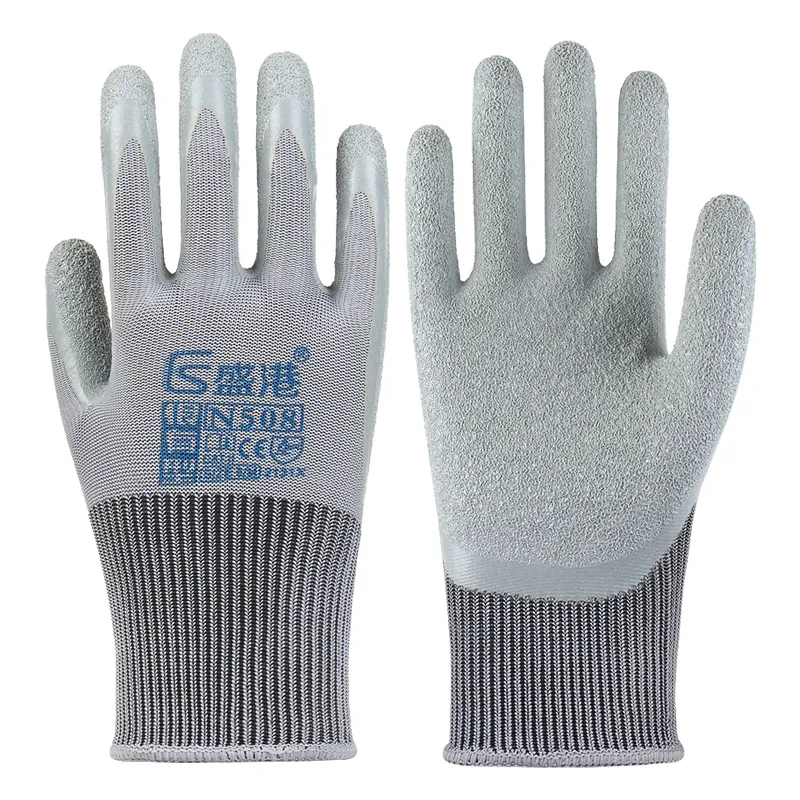
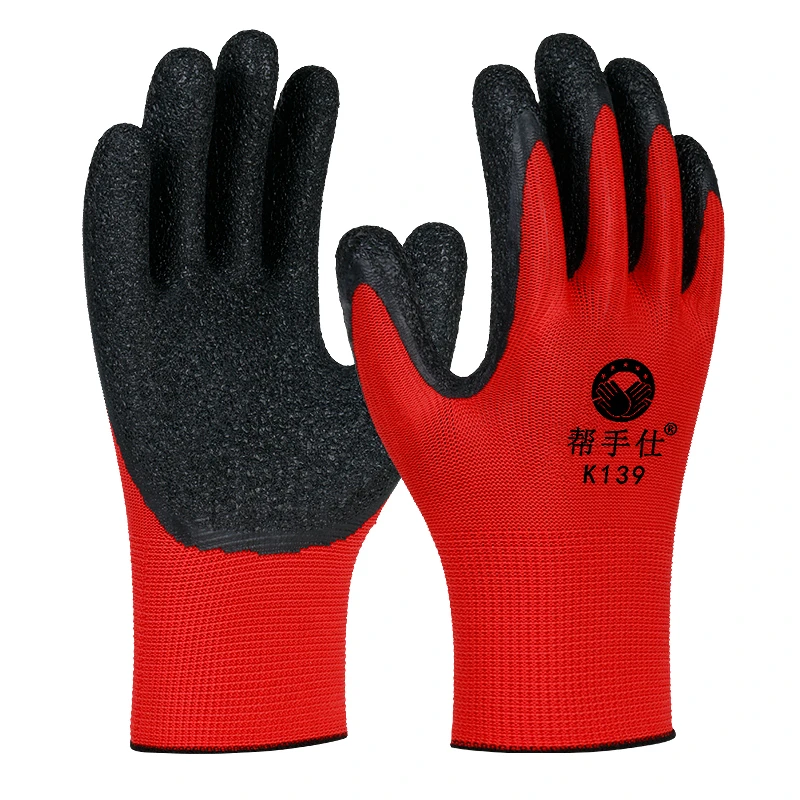
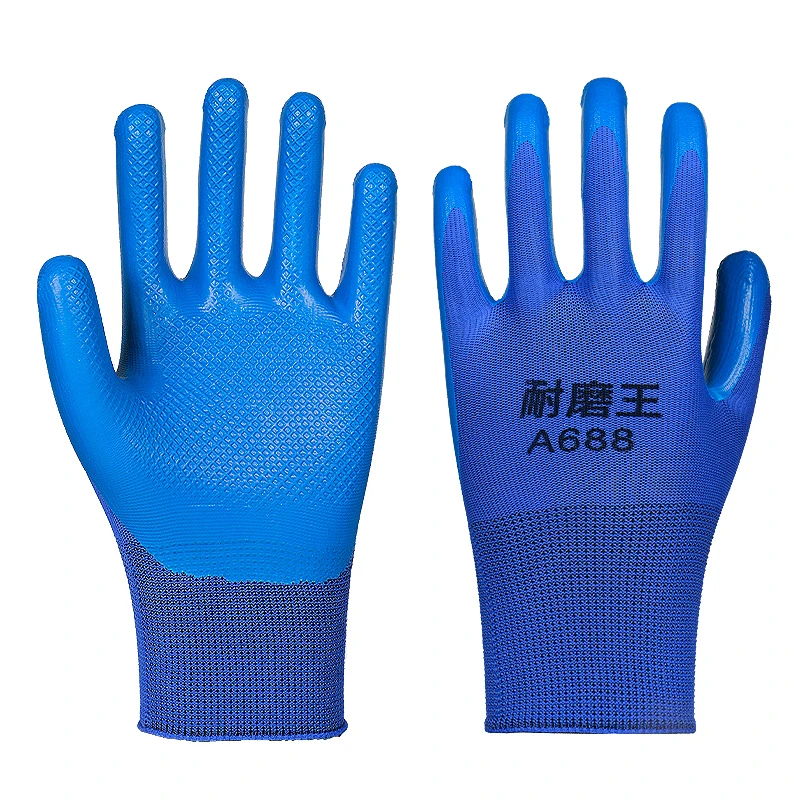
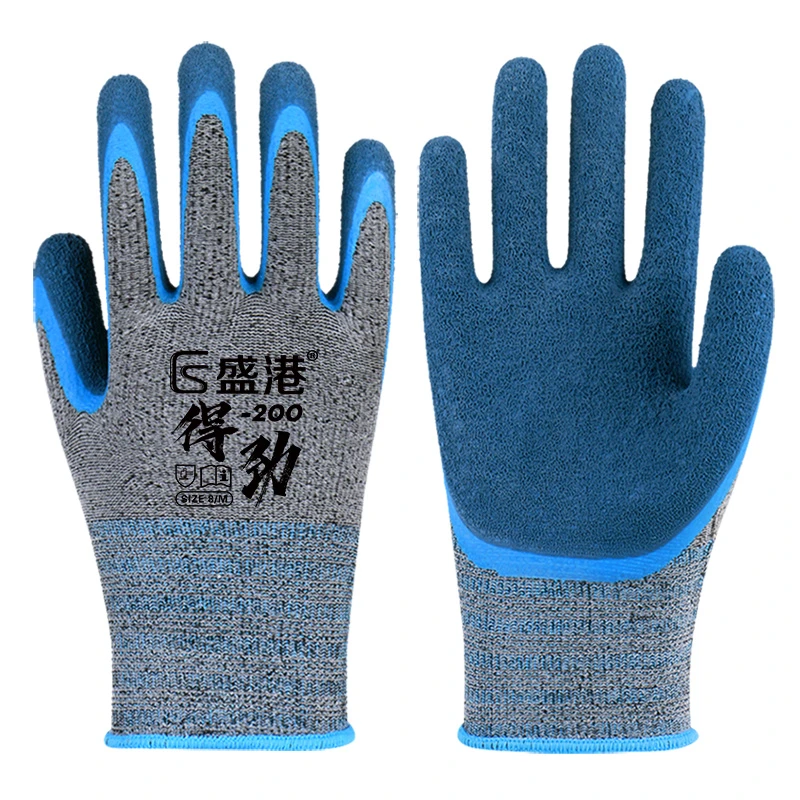
Top Professional Sports Gloves Manufacturers for Athletic Brands
Finding the Best Sports Gloves Manufacturers for Your Brand
In the competitive world of athletic gear, the quality of your equipment can make or break your brand's reputation. Partnering with professional sports gloves manufacturers is the first step toward delivering superior performance and comfort to athletes. Whether you are looking for high-grip gym gloves, thermal winter sports gear, or specialized protective padding, the manufacturing process determines the longevity and functionality of the final product. In this guide, we will explore how to identify the right production partner, the materials that define quality, and the technical standards you should demand to ensure your products stand out in the global marketplace.

What to Look for in Leading Sports Gloves Manufacturers
Selecting a partner among numerous sports gloves manufacturers requires a deep dive into their production capabilities and quality control systems. A top-tier manufacturer should offer end-to-end OEM/ODM services, allowing you to customize everything from the stitching pattern to the moisture-wicking lining. Look for factories that utilize automated precision cutting and reinforced double-stitching to prevent seam failure during high-intensity activities. Additionally, certifications such as ISO 9001 ensure that the facility follows a standardized quality management system, reducing defect rates and ensuring consistent batches for large-scale orders.
Expert Tip: Always request a sample prototype. A manufacturer's ability to translate your design sketches into a physical product accurately is the best indicator of their technical proficiency and attention to detail.
Advanced Materials Used by Professional Manufacturers
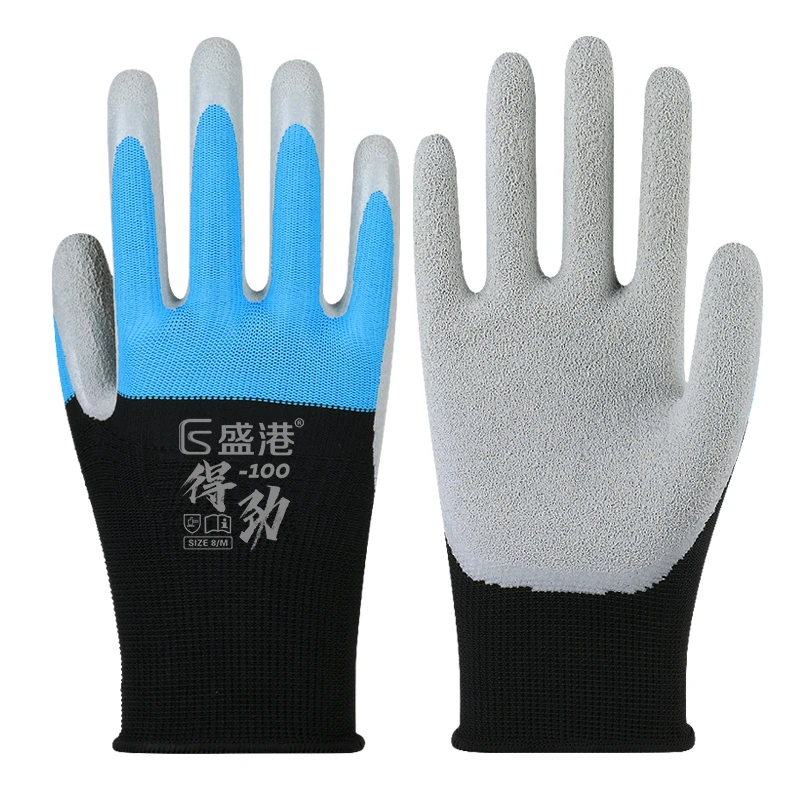
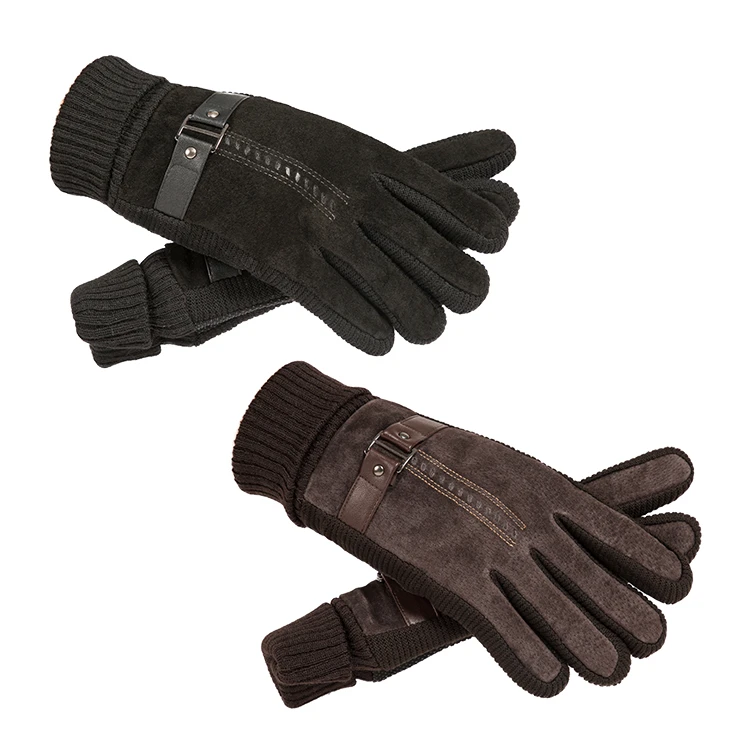
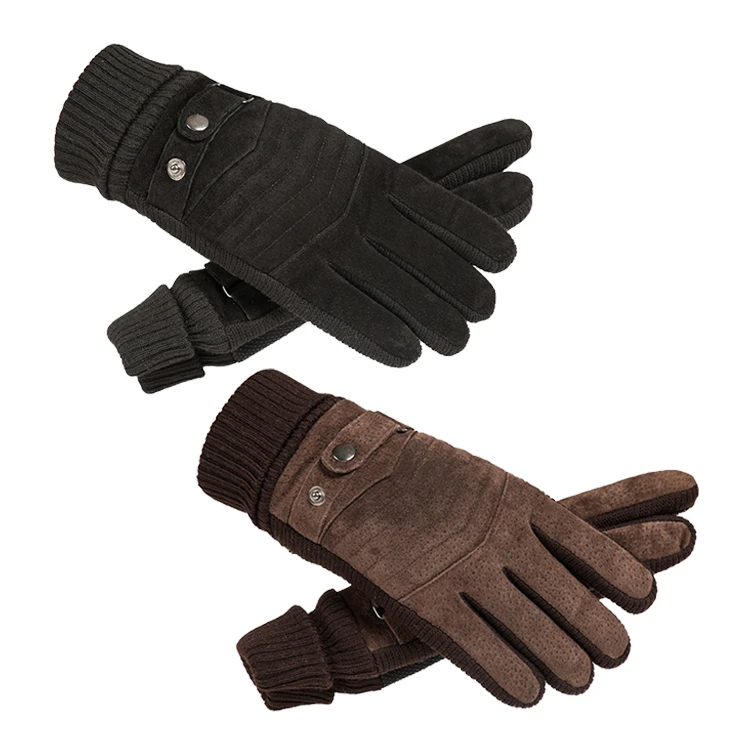
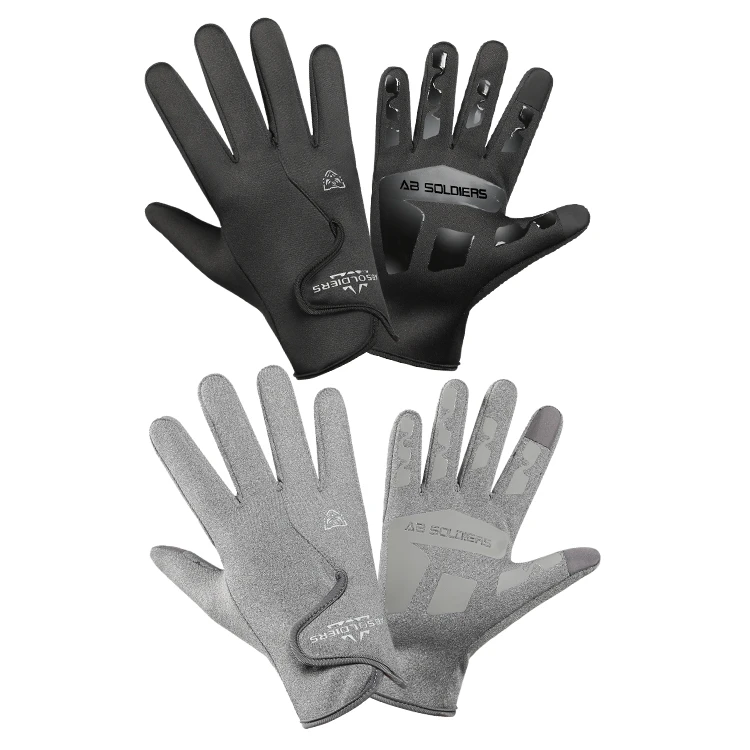
The choice of materials is where the expertise of sports gloves manufacturers truly shines. Depending on the sport, the requirements vary from extreme breathability to rugged abrasion resistance. High-performance gloves often incorporate Neoprene for flexibility and insulation, Synthetic Suede for a balance of grip and durability, and Silicone Gel for targeted impact protection. Understanding the synergy between these materials allows brands to create products that not only look professional but provide a competitive edge to the athlete by reducing fatigue and preventing injuries.
Material Comparison Guide:
• Neoprene: Excellent for water sports and thermal insulation.
• Nylon/Spandex: Best for lightweight, breathable fitness gloves.
• Genuine Leather: Unmatched durability for heavy-duty weightlifting.
• EVA Foam: Primary choice for shock absorption in combat sports.
Comparing Production Standards of Sports Gloves Manufacturers
When evaluating different sports gloves manufacturers, it is essential to compare their technical approach. Low-cost manufacturers often rely on basic sewing and generic fabrics, which lead to rapid wear and tear. In contrast, premium manufacturers implement ergonomic 3D patterning to ensure the glove follows the natural curve of the hand, reducing friction and improving dexterity. The following table highlights the stark differences between standard production and high-end manufacturing processes.
Customization Options from Sports Gloves Manufacturers
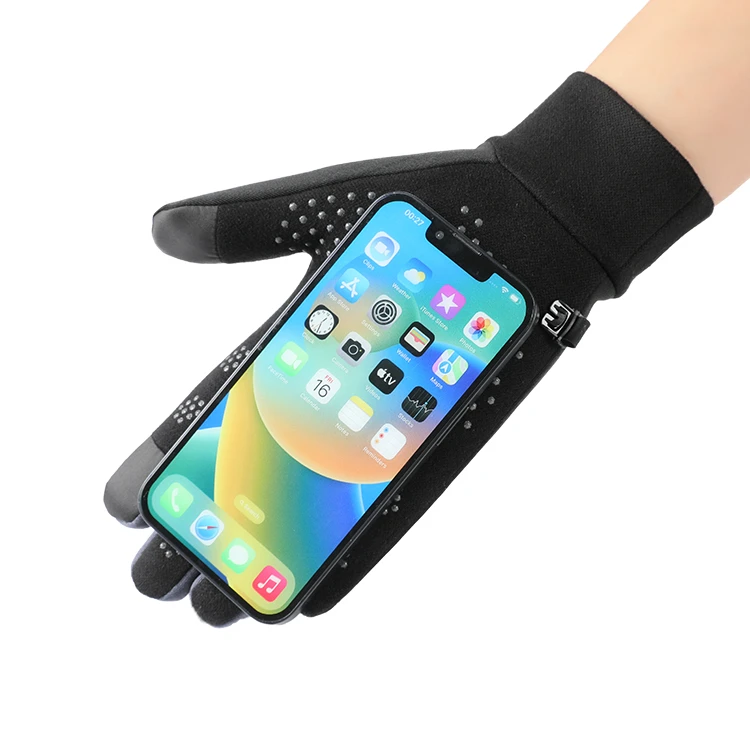
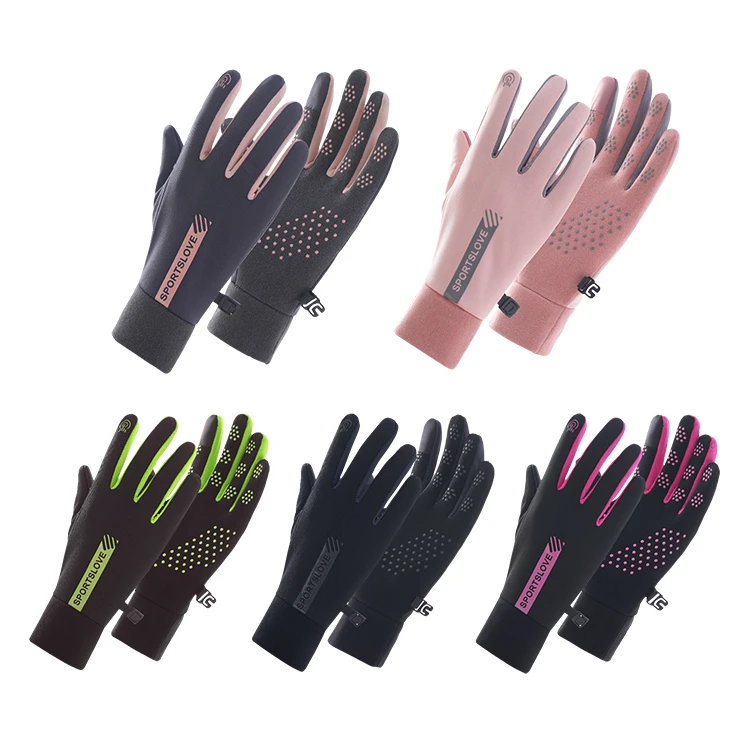
In a crowded market, customization is your strongest tool. Professional sports gloves manufacturers provide a wide array of personalization options to help your brand identity shine. This includes custom logo placement via high-definition screen printing, 3D rubber patches, or precision embroidery. Beyond aesthetics, functional customization is key—such as adding touch-screen compatible fingertips for winter sports gloves or integrating specialized anti-slip palm textures for weightlifting. By working closely with the manufacturer's design team, you can create a product that solves specific pain points for your target audience.
Technical Specifications and Product Grading
To maintain high standards, you must define a strict specification sheet for your sports gloves manufacturers. This ensures that there is no ambiguity during the production phase. Specifications should cover the fabric weight (GSM), the specific type of closure (e.g., Velcro vs. Elastic), and the tolerance levels for sizing. A well-defined spec sheet prevents costly errors and ensures that the final product aligns with the promised performance metrics. Below is a typical specification table for a high-performance fitness glove.
The Logistics and Quality Assurance Cycle
The relationship with your sports gloves manufacturers doesn't end when the order is placed. A robust Quality Assurance (QA) cycle is critical. This involves Pre-Production Samples (PPS), mid-production checks to ensure consistency, and a final Pre-Shipment Inspection (PSI). By implementing a strict QA cycle, you can detect defects such as uneven stitching or color bleeding before the goods leave the factory. This proactive approach minimizes returns and enhances customer satisfaction, ensuring that every pair of gloves arriving at your warehouse meets your brand's prestige.
Conclusion: Scaling Your Brand with the Right Partner
Choosing the right sports gloves manufacturers is more than just a procurement decision; it is a strategic partnership. From the selection of cutting-edge materials to the precision of the final stitch, every detail contributes to the athlete's experience. By prioritizing technical expertise, customization capabilities, and rigorous quality control, you can ensure your athletic gear is not only competitive but market-leading. Invest in quality today to build a legacy of performance tomorrow.
Frequently Asked Questions (FAQs)
How do I verify the quality of sports gloves manufacturers before ordering?
Verification starts with checking industry certifications (like ISO or BSCI) and requesting a comprehensive portfolio of their previous work. The most reliable way is to order a paid sample. Evaluate the sample for stitch density, material feel, and ergonomic fit. You can also request a factory audit or a virtual tour to see their machinery and QC stations in real-time. A transparent manufacturer will always be open to these requests as it proves their confidence in their production line.
What is the typical lead time for custom sports glove production?
Lead times vary depending on the complexity of the design and the order volume. Typically, the sampling phase takes 7-14 days. Once the sample is approved, mass production usually takes between 30 to 45 days. Factors that can influence this timeline include the availability of specialized raw materials and the manufacturer's current order queue. We recommend planning your inventory at least 3 months in advance to account for production and international shipping logistics.
Can I request eco-friendly materials from my manufacturer?
Yes, many modern sports gloves manufacturers now offer sustainable alternatives. You can request recycled polyester (rPET), organic cotton, or bio-based synthetic leathers. Using eco-friendly materials not only reduces the environmental footprint but also appeals to the growing segment of environmentally conscious consumers. Ensure you ask for GRS (Global Recycled Standard) certifications to verify the authenticity of the recycled materials used.
What are the most common defects to look for in sports gloves?
The most common defects include "skipped stitches" (where the needle misses the fabric), uneven seam alignment, and poor bonding of the grip material to the palm. Additionally, check for "color bleeding" by testing a sample with water and a white cloth. In padded gloves, ensure the foam is evenly distributed and doesn't shift or bunch up. High-quality manufacturers employ a final manual inspection to catch these issues, but as a brand owner, performing your own random spot checks is always advised.