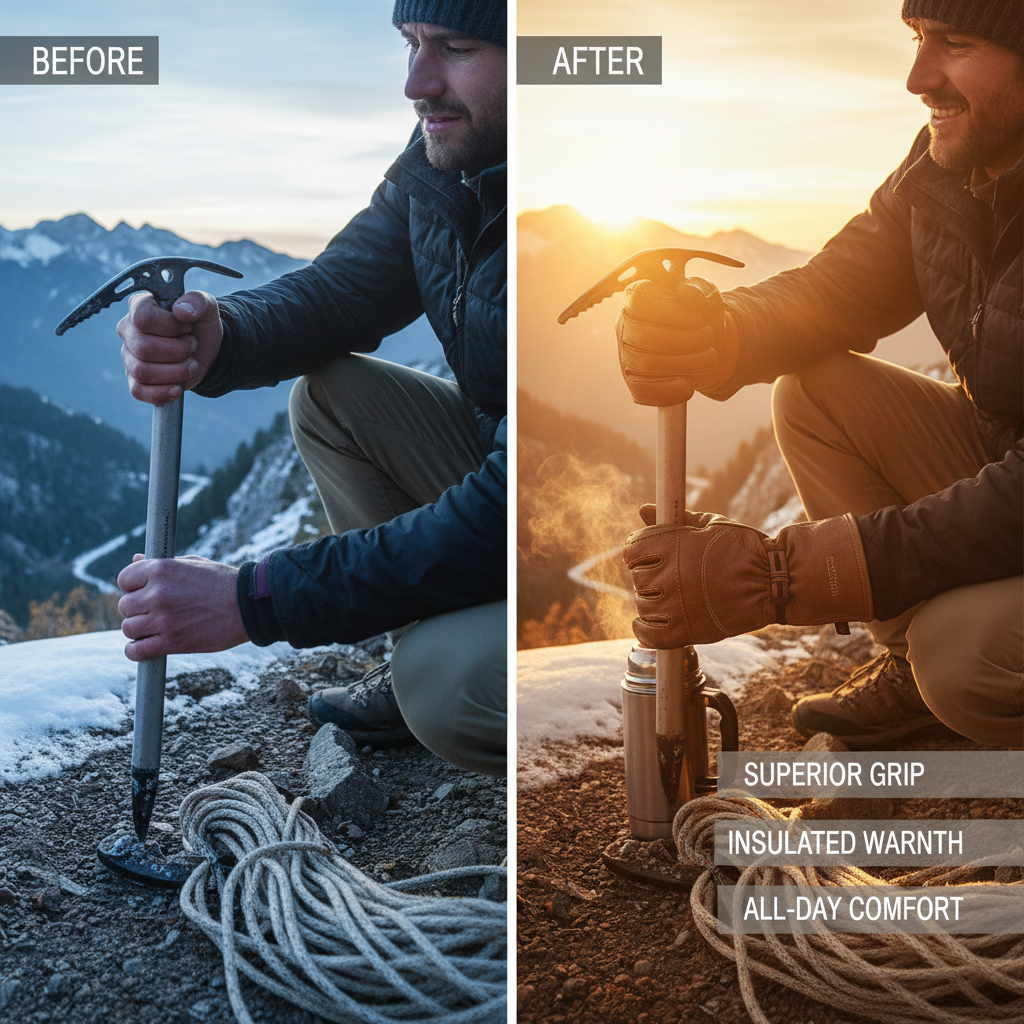
Selecting the right gear is the difference between a successful summit and a dangerous retreat, and few items are as critical as high-quality leather mountaineering gloves. These specialized tools provide more than just warmth; they serve as a primary barrier against abrasive rock, biting winds, and freezing temperatures, ensuring that a climber's dexterity remains intact when it matters most.
Globally, the demand for professional-grade alpine handwear has surged as outdoor adventure tourism grows and industrial safety standards in high-altitude environments become more stringent. Understanding the nuances of leather grades, tanning processes, and thermal integration is essential for anyone operating in extreme terrains, where equipment failure can lead to severe frostbite or loss of grip.
By focusing on the synergy between traditional leather craftsmanship and modern ergonomic design, leather mountaineering gloves offer an unparalleled combination of durability and protection. This guide explores the technical specifications, global applications, and future innovations that define the gold standard in high-altitude hand protection.
The Global Importance of Leather Mountaineering Gloves
In the realm of extreme athletics and high-altitude exploration, the reliance on leather mountaineering gloves is not merely a preference but a safety requirement. According to international safety standards for alpine equipment, the ability to maintain tactile feedback while resisting abrasion from granite and ice is paramount. Globally, the proliferation of mountaineering expeditions has highlighted a critical gap: the need for gear that survives the harshest ISO-rated environments without sacrificing flexibility.
The challenge lies in the environmental volatility of alpine zones. Traditional synthetic fabrics often fail under the combined stress of UV radiation and mechanical friction. Leather, particularly high-grade goat or cowhide, provides a natural resilience that synthetic alternatives struggle to replicate. This makes professional leather gloves an indispensable asset for climbers, rescue teams, and high-altitude engineers worldwide.
Technical Definition and Industrial Role
leather mountaineering gloves are specialized pieces of protective equipment engineered from premium hides, often reinforced with waterproof membranes and thermal linings. Unlike standard winter gloves, mountaineering versions are designed for high-stress activities, meaning they must balance windproofing with breathability to prevent moisture buildup inside the glove, which could lead to rapid heat loss.
From an industrial perspective, these gloves represent a fusion of traditional tanning arts and modern materials science. The manufacturing process involves selecting hides with specific grain densities to ensure that the resulting glove is puncture-resistant yet supple enough to allow the user to operate carabiners and ice axes with precision. This technical intersection is what elevates them from simple apparel to critical safety gear.
In modern humanitarian and rescue contexts, such as those managed by international disaster response teams, these gloves are vital. When operating in landslide-affected mountain regions or during high-altitude search-and-rescue missions, the durability of leather ensures that responders can handle jagged debris and frozen ropes without compromising the integrity of their hand protection.
Core Components of High-Performance Gear
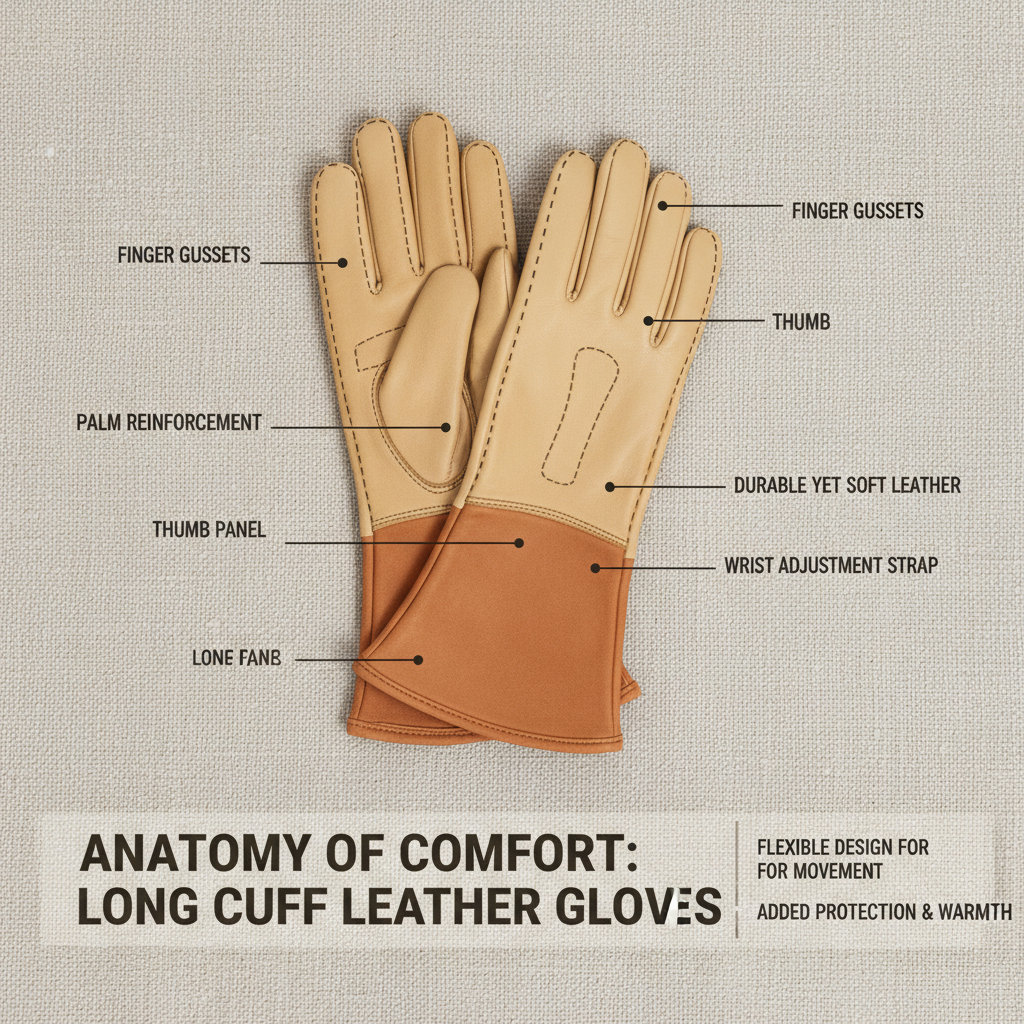
The effectiveness of leather mountaineering gloves begins with the choice of material. Top-grain leather is typically used for the palms to provide maximum abrasion resistance, while softer, more flexible leathers or hybrid textiles are used on the back of the hand to facilitate movement and reduce fatigue during long ascents.
Thermal regulation is the second pillar of design. Modern leather mountaineering gloves often integrate Thinsulate™ or PrimaLoft® insulation, layered between the outer leather shell and a moisture-wicking inner liner. This tiered system ensures that heat is trapped close to the skin while sweat is pushed outward, maintaining a stable microclimate.
Finally, ergonomic reinforcement is what defines professional gear. Double-stitched seams, reinforced fingertips, and adjustable wrist closures prevent snow ingress and ensure the glove remains secure. These structural details are essential for preventing "gear shift," which can be dangerous when a climber is relying on a precise grip for stability.
Performance Metrics and Durability Benchmarks
Evaluating the quality of leather mountaineering gloves requires a look at specific performance metrics, including tensile strength, water permeability, and thermal resistance. Professional testers use a scale of 1-10 to rate how different leather treatments hold up against simulated alpine conditions, such as repetitive friction against abrasive surfaces and exposure to sub-zero temperatures.
The following data illustrates how different constructions of mountaineering gloves perform across key utility categories, highlighting why premium leather remains the preferred choice for extreme durability.
Comparative Performance of Mountaineering Glove Materials
Global Applications and Real-World Use Cases
In practice, leather mountaineering gloves are employed across a diverse range of high-stakes environments. In the Himalayas and the Andes, professional guides rely on these gloves to handle heavy-duty ropes and ice tools for hours on end, where any tear in the material could lead to immediate exposure and injury.
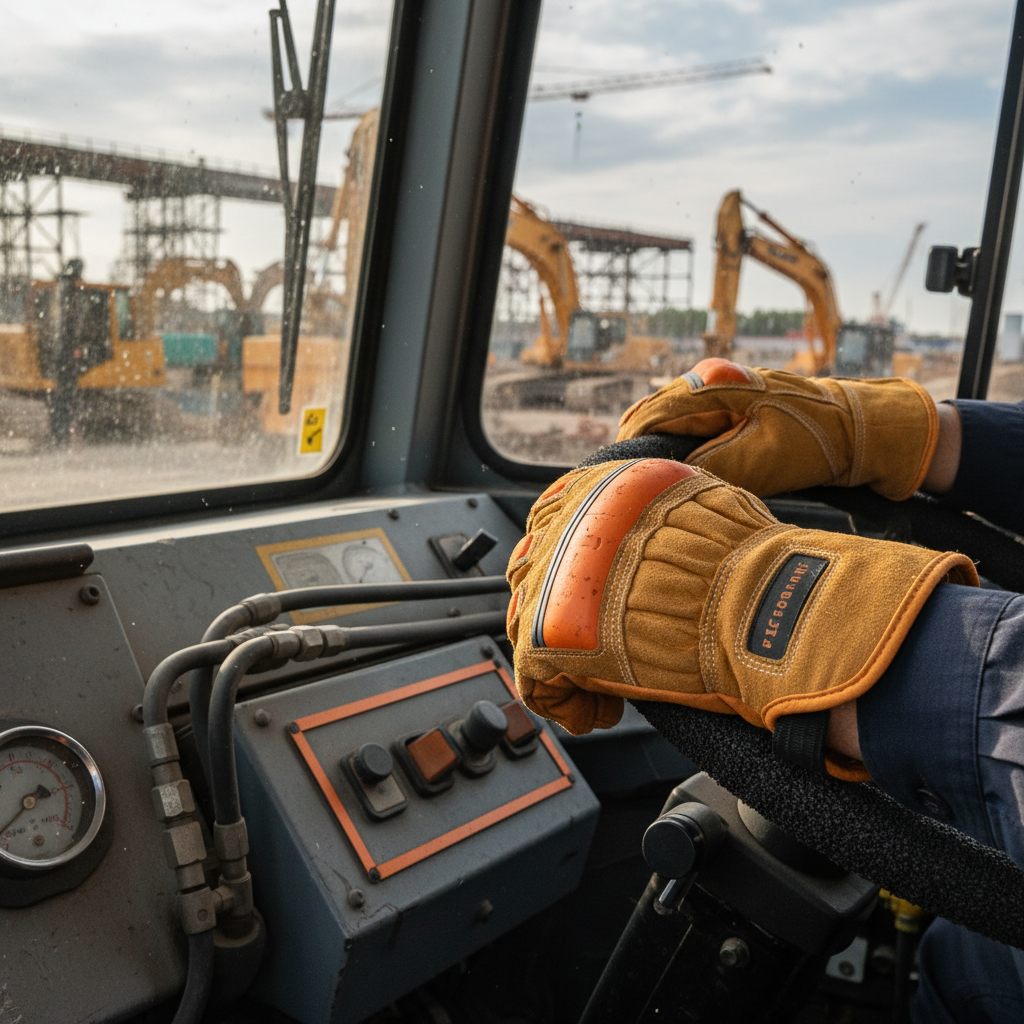
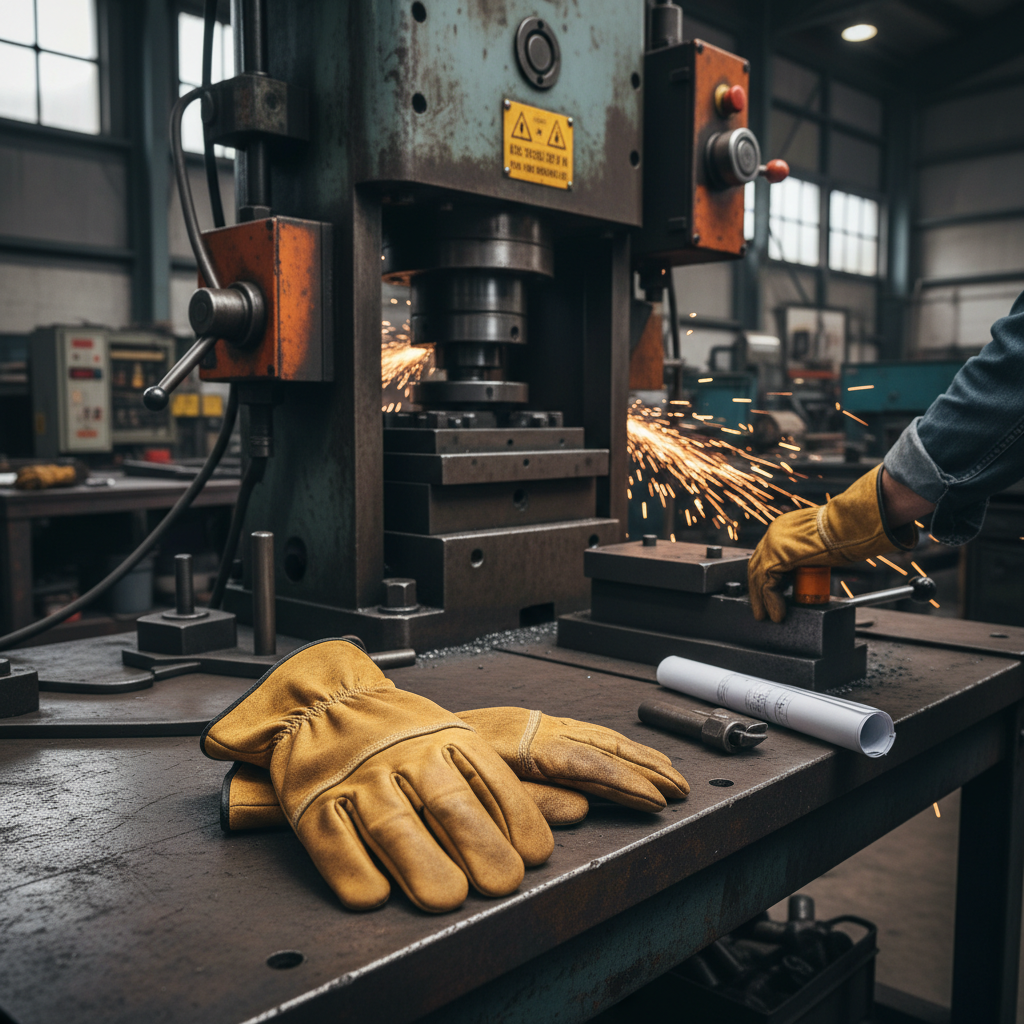
Beyond sports, these gloves are utilized in remote industrial zones, such as high-altitude mining operations in Peru or telecommunications maintenance in the Alps. In these sectors, workers face "industrial alpine" conditions where they need the protection of a work glove combined with the thermal properties of mountaineering gear, making the leather-based hybrid design the optimal solution.
Long-Term Value and Safety Advantages
The long-term value of investing in premium leather mountaineering gloves lies in their sustainability and reliability. While synthetic gloves may be cheaper initially, they degrade rapidly under UV exposure and mechanical stress. Leather, when properly maintained with conditioners, can last for several seasons, reducing waste and providing a more consistent level of safety.
From a psychological perspective, the trust a climber places in their gear is paramount. Knowing that their hands are protected by a material that does not rip upon contact with sharp rock edges allows for greater focus and confidence. This emotional security, combined with the logical advantage of superior grip and warmth, makes leather the gold standard for safety.
Furthermore, the adaptability of leather to the wearer's hand over time—a process known as "breaking in"—creates a custom fit that synthetic materials cannot match. This personalized fit reduces hand fatigue and enhances dexterity, which is critical when performing complex knots or operating safety clips in high-stress situations.
Future Trends in Alpine Handwear Innovation
The future of leather mountaineering gloves is moving toward "smart leather" and eco-conscious tanning. We are seeing the emergence of bio-based tanning agents that remove harsh chemicals like chromium, aligning the industry with global sustainability goals without sacrificing the leather's natural strength.
Integration with digital transformation is also on the horizon. Researchers are experimenting with conductive leather threads that allow for touchscreen compatibility without compromising the waterproof seal, enabling climbers to use GPS devices and communication tools without exposing their skin to the elements.
Additionally, the application of nanotechnology to create "super-hydrophobic" leather surfaces is promising. This will allow leather mountaineering gloves to repel water more effectively while remaining fully breathable, solving one of the oldest challenges in leather gear: the tradeoff between water resistance and ventilation.
Comparative Analysis of Leather Treatment Technologies for Mountaineering
| Treatment Type |
Water Resistance |
Breathability |
Eco-Impact |
| Traditional Chrome Tan |
High |
Medium |
Low (High Pollutants) |
| Vegetable Tanned |
Medium |
High |
High (Eco-Friendly) |
| Nano-Coated Leather |
Very High |
High |
Medium |
| Waxed Leather |
Extreme |
Low |
Medium |
| Synthetic Hybrid Leather |
High |
Medium |
Medium |
| Bio-Tanned Leather |
Medium |
High |
Very High |
FAQS
Leather offers superior abrasion resistance and durability when interacting with rough rock surfaces. Unlike synthetics, high-quality leather doesn't melt or tear as easily under friction, and it naturally molds to the hand over time, providing a better grip and more intuitive tactile feedback during technical maneuvers.
To maintain water resistance, you should regularly apply a specialized leather wax or waterproofing cream. This fills the pores of the leather and prevents water from soaking in. Additionally, ensuring your gloves have a built-in waterproof membrane like Gore-Tex provides a secondary layer of protection against moisture.
Yes, provided they are designed with proper thermal liners. While leather itself is a wind-blocker, it doesn't provide warmth on its own. Look for leather gloves that feature synthetic insulation (like Thinsulate) and a wool or fleece lining to ensure your hands stay warm in sub-zero alpine conditions.
Replacement depends on use. For professional climbers, every 1-2 seasons is common due to heavy wear on the palms and fingertips. However, for recreational users, a well-maintained pair can last 5+ years. Replace them immediately if you notice thinning in the leather or if the waterproof membrane has failed.
Traditionally, no. However, many modern designs now incorporate conductive leather or specialized patches on the index finger and thumb. Always check for "touch-compatible" specifications if you plan to use a smartphone or GPS device while wearing your gloves.
Never place leather gloves directly on a radiator or heater, as this causes the leather to crack. Instead, air-dry them at room temperature away from direct heat. Once dry, apply a leather conditioner to restore the oils and maintain flexibility.
Conclusion
In summary, leather mountaineering gloves remain an essential piece of equipment for anyone facing the volatility of high-altitude environments. By combining the raw durability of premium hides with advanced thermal insulation and ergonomic engineering, these gloves provide the critical protection, grip, and warmth necessary for survival and success in the mountains. From the industrial resilience of the leather to the precision of modern stitching, every detail contributes to the safety and confidence of the user.
As we look toward the future, the integration of sustainable tanning and smart materials will only enhance the value of leather handwear. For professionals and enthusiasts alike, investing in high-quality gear is an investment in safety and longevity. To explore our professional range of protective handwear and find the perfect fit for your next expedition, visit our website: www.personalcarescn.com.cn.