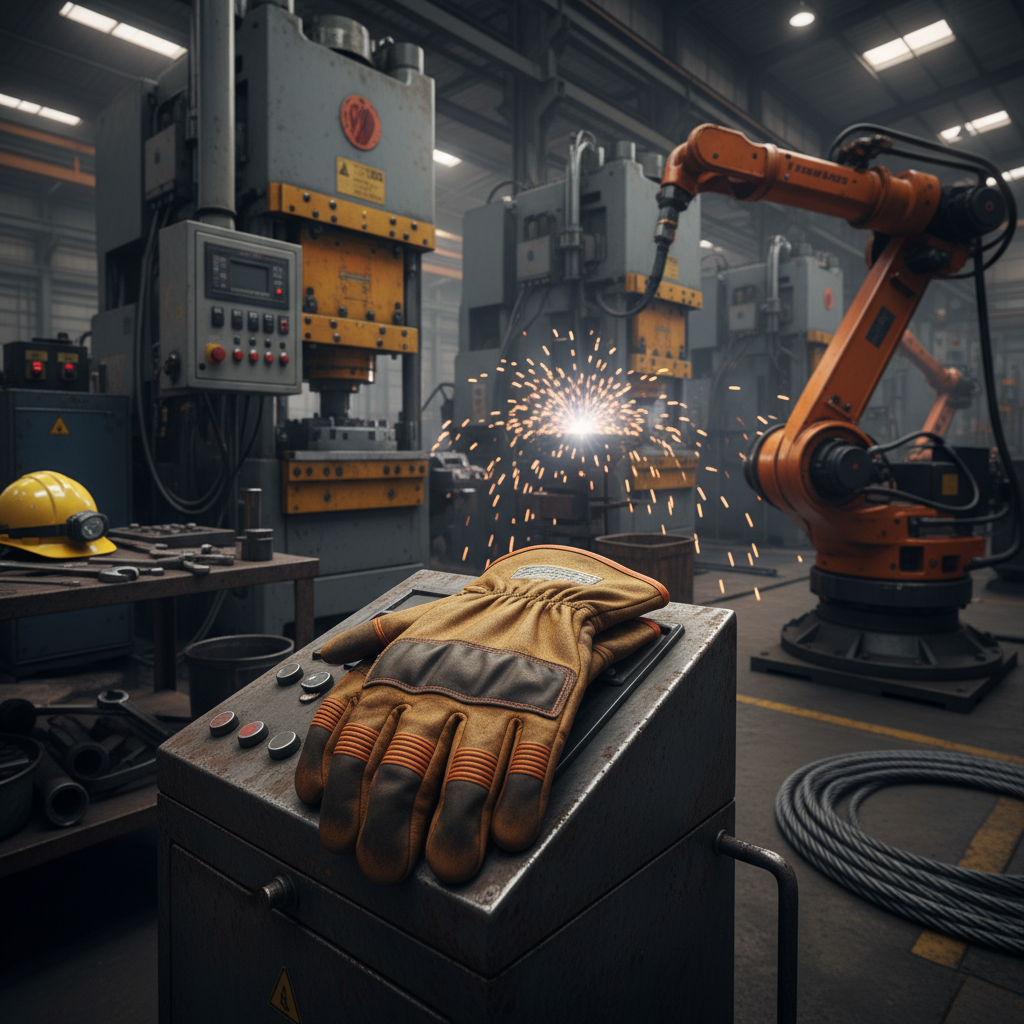
Leather gloves. Sounds simple, right? But spend a day on a construction site, hauling rebar, wrestling with concrete forms, or just plain getting your hands dirty, and you quickly realize the difference between a decent pair of gloves and a good pair. We're not talking about fashion here; we’re talking about protection, dexterity, and frankly, whether you can actually get the job done. I’ve seen guys sidelined with hand injuries, not because they were careless, but because they skimped on their hand protection. And that costs time, money, and someone’s livelihood. It’s a deceptively important piece of kit. leather gloves are a cornerstone of on-site safety.
The demand for quality hand protection is consistent, but it’s not static. We’re seeing a push for more specialized gloves – cut-resistant for steel work, impact-resistant for assembly, even gloves with enhanced grip for working at height. The global market reflects this, and it’s big. According to reports, the industrial gloves market is projected to reach billions in the coming years, driven by stringent safety regulations and a growing awareness of workplace hazards, especially in developing economies. It's not just construction, either. Think automotive, oil & gas, manufacturing – anywhere hands are at risk.
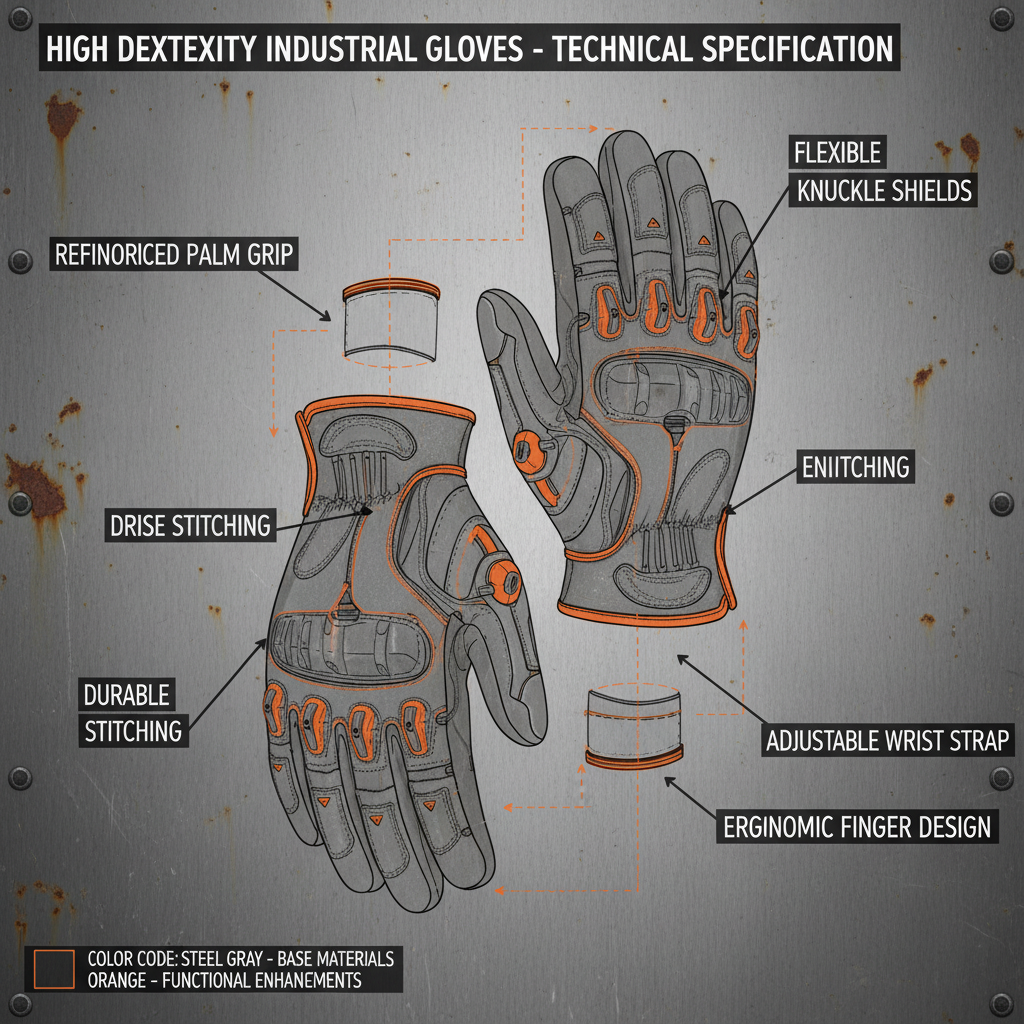
For years, the default was a bulky, inflexible leather glove that offered some protection. Now, we expect more. Engineers are demanding materials that can withstand harsher chemicals, increased abrasion, and provide better tactile sensitivity for intricate tasks. The pressure is on manufacturers to innovate and deliver gloves that meet these evolving needs. And that’s where things get interesting.
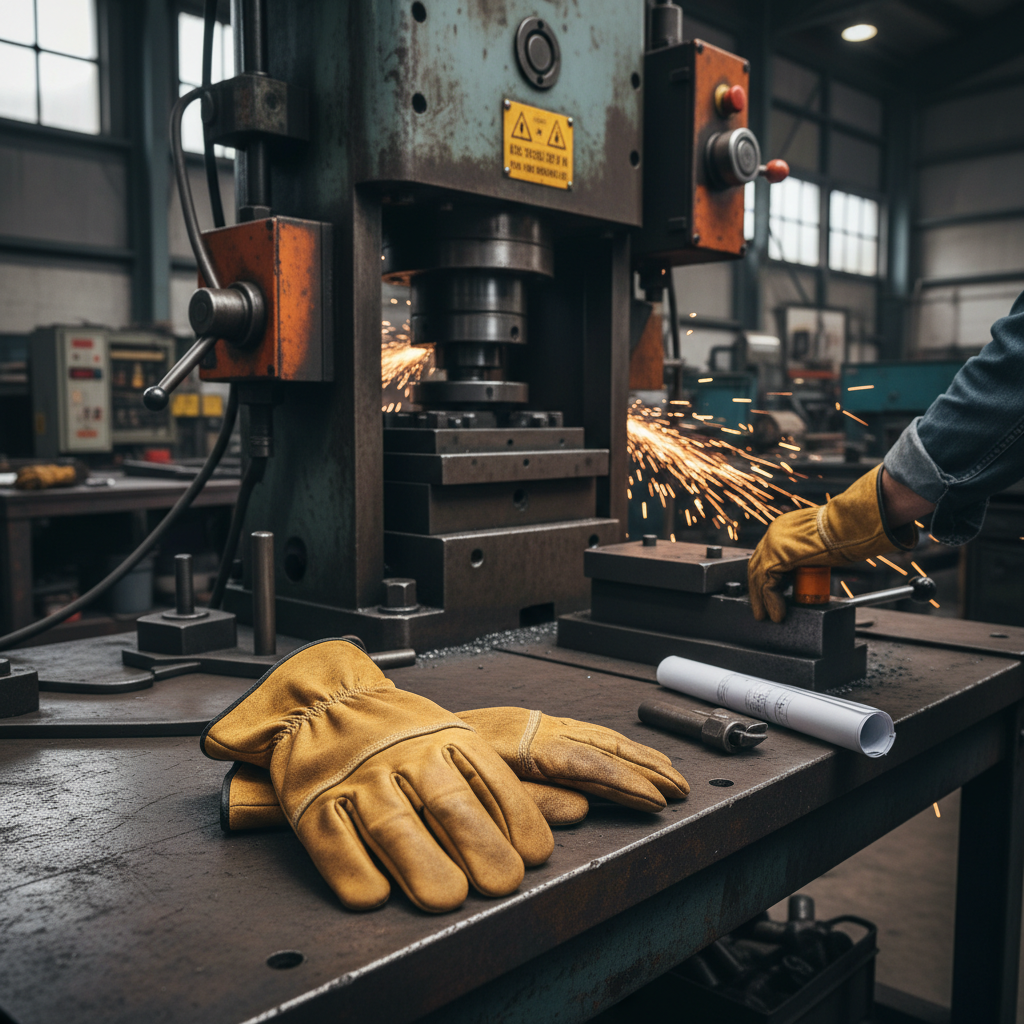
Let’s be real, a lot of guys see gloves as just another piece of PPE to check off a list. But out on the job, they're your first line of defense. I’ve seen firsthand what happens when someone’s hand gets cut or crushed, even with "adequate" protection. Beyond the immediate pain and medical bills, it’s the lost productivity, the delays, and the impact on the worker’s life. We’re talking about preventing serious injury, maintaining workflow, and ultimately, ensuring everyone goes home safe. leather gloves are crucial in these scenarios.
And it's not just about catastrophic injuries. Constant abrasion, exposure to chemicals, even prolonged vibration – these things take a toll. A good pair of gloves can mitigate those risks and keep a worker comfortable and productive throughout the day. That’s the kind of practical benefit that resonates with everyone, from the guys on the ground to the project managers looking at the bottom line.
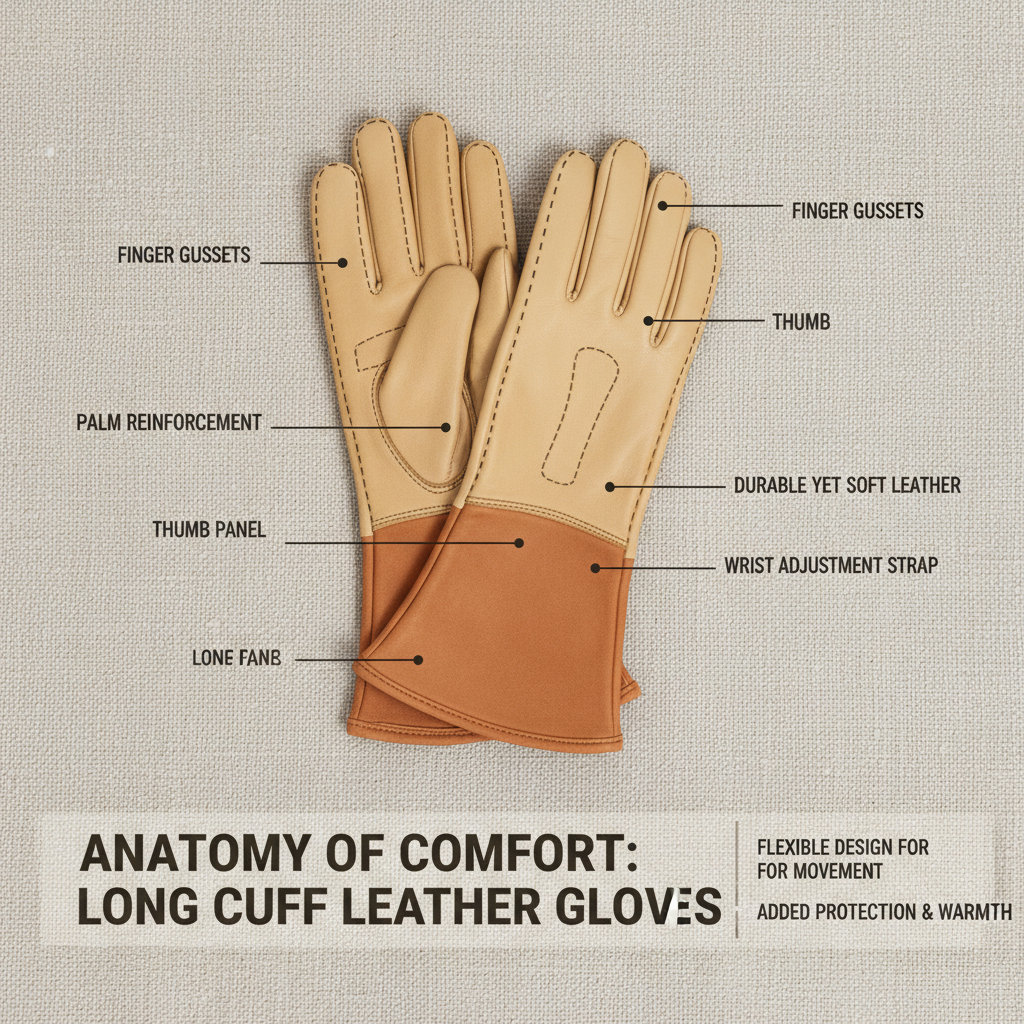
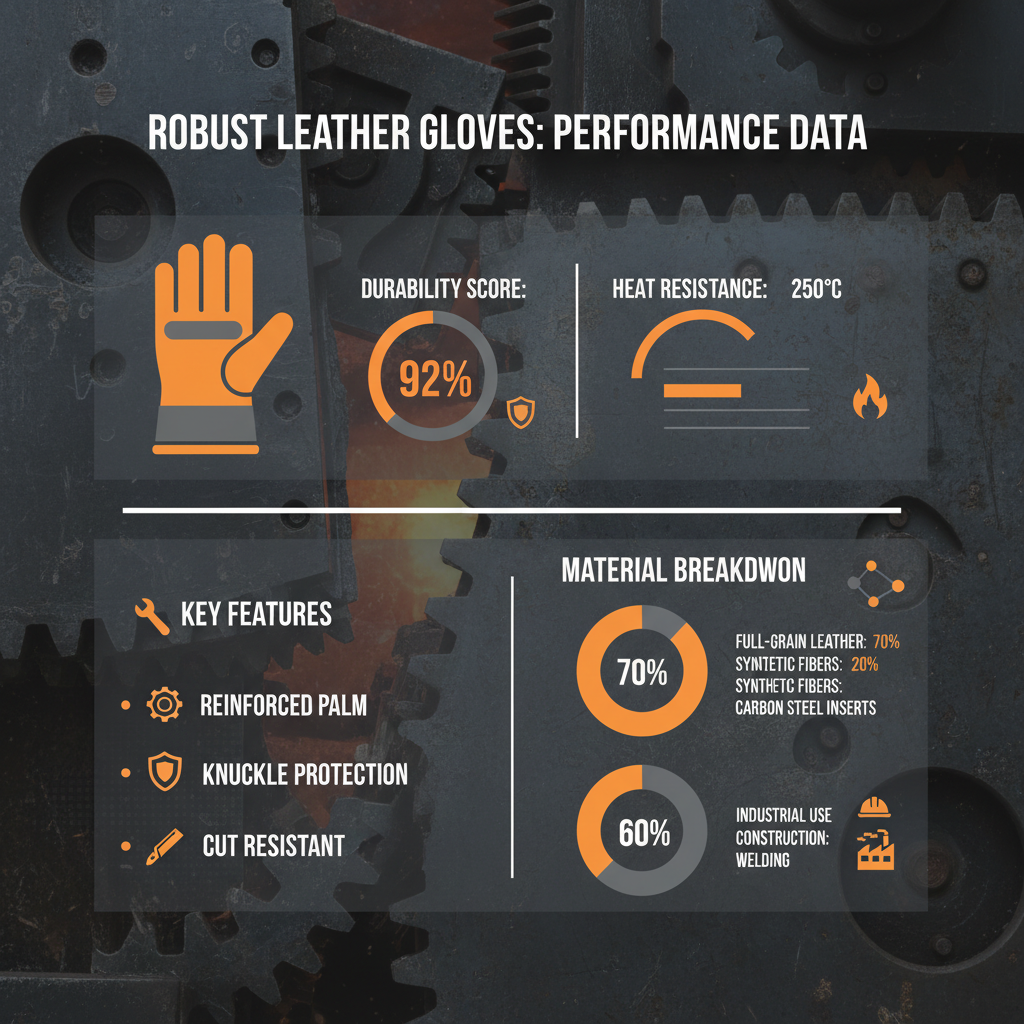
Full-grain leather is the most durable and breathable type, using the entire hide, resulting in a glove that lasts longer. Split leather is more affordable, created from the lower layers of the hide, but offers less durability and breathability. For heavy-duty tasks, full-grain is the way to go. For lighter work where cost is a bigger concern, split leather might be sufficient.
It depends on usage, but regularly inspect your gloves for wear and tear – tears, holes, worn stitching. If they're compromised, replace them immediately. Even if they look okay, gloves lose their protective qualities over time. As a general rule, heavy-duty gloves should be replaced every 3-6 months, depending on the intensity of use.
Cut resistance is rated on a scale, typically from A to F. A is the lowest, F is the highest. The level you need depends on the materials you’re handling. Working with sharp metals requires a higher level of cut resistance than handling cardboard, for example. Always check the safety data sheet (SDS) for the materials you’re using to determine the appropriate level of protection.
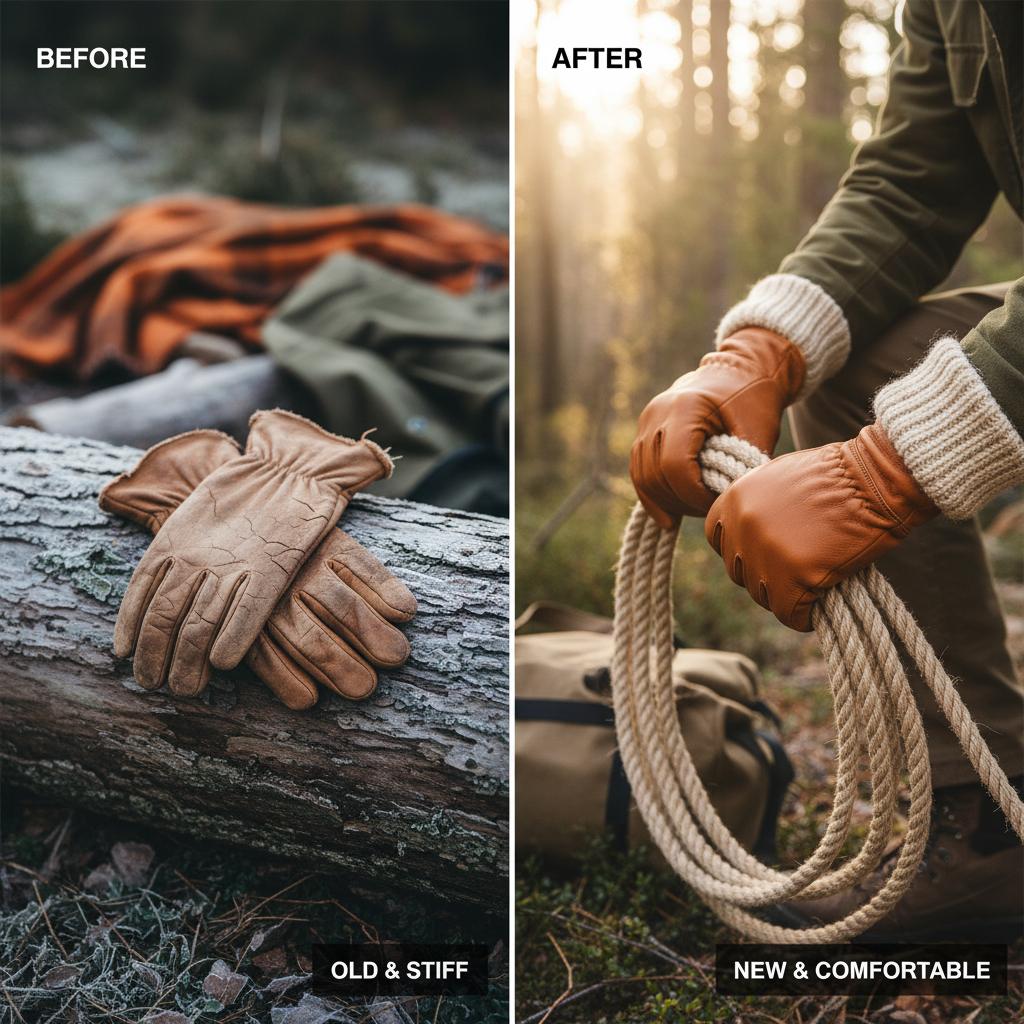
Clean your gloves regularly with a damp cloth. Avoid using harsh chemicals or detergents. Allow them to air dry away from direct heat. You can also apply a leather conditioner periodically to keep them supple and prevent cracking. Proper storage is also important – store them in a cool, dry place, away from sunlight.
Yes, look for gloves with a soft lining, such as cotton or fleece. Some manufacturers offer gloves made with vegetable-tanned leather, which is less likely to cause allergic reactions than chrome-tanned leather. Always test a small area of skin before wearing new gloves for extended periods.
Gloves should fit snugly but not too tightly. You should be able to move your fingers freely without restriction. Measure your hand circumference and compare it to the manufacturer’s size chart. It's better to err on the side of slightly too loose than too tight, as tight gloves can cause fatigue and reduce dexterity.
We’ve covered a lot here – from the basic materials and construction of leather gloves to the latest innovations and emerging trends. The core message is this: hand protection is not an afterthought. It’s a critical component of workplace safety and productivity. Investing in quality leather gloves is an investment in your people, your projects, and your bottom line. Leather gloves, when chosen wisely, pay dividends in safety and efficiency.
Looking ahead, we’ll continue to see a focus on customization, sustainability, and smart technologies. The demand for gloves that offer both protection and dexterity will only increase. By staying informed about the latest developments and prioritizing worker safety, we can create a safer and more productive work environment for everyone. Visit our website at www.personalcarescn.com.cn.cn to explore our range of high-quality leather gloves and find the perfect solution for your needs.