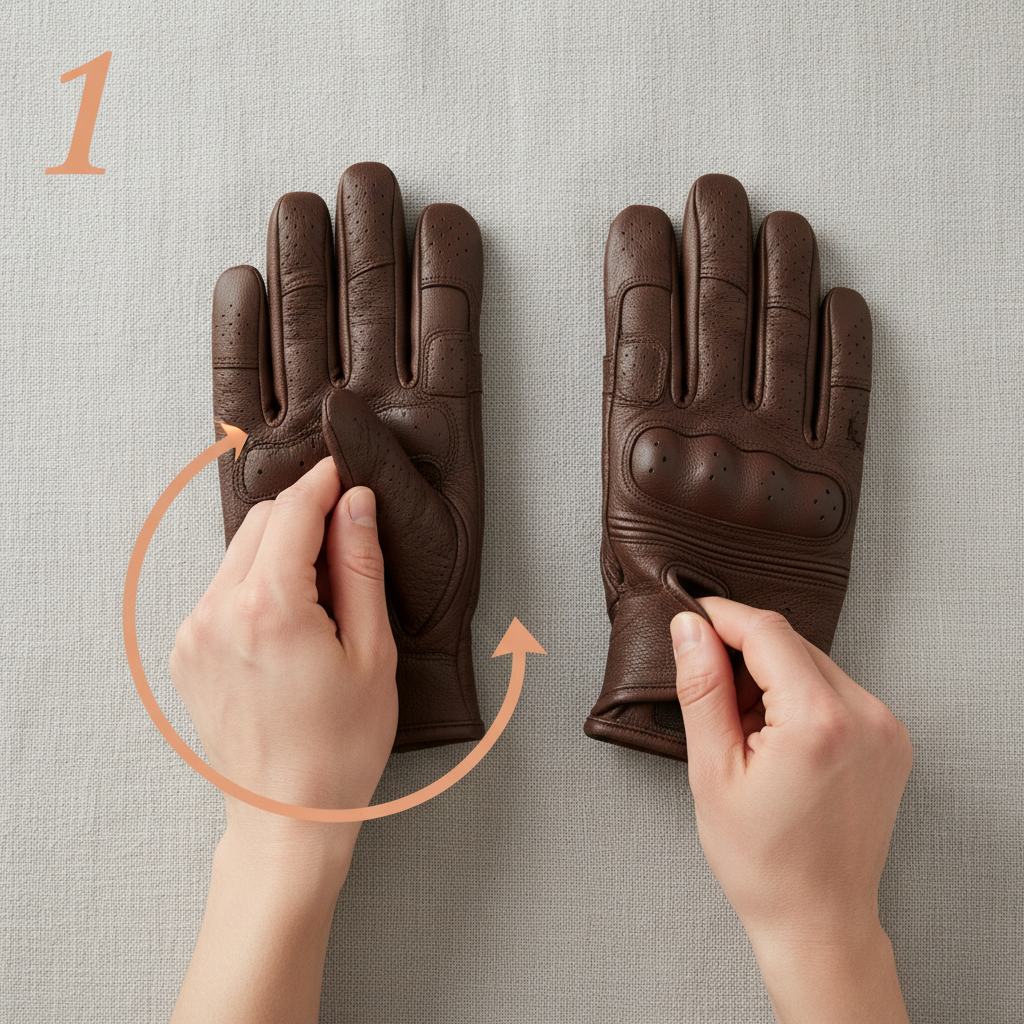
Selecting the right gear for the great outdoors is often the difference between a successful expedition and a grueling ordeal. Among the most critical pieces of equipment are leather outdoor gloves, which provide an essential barrier between the wearer's hands and the unpredictable elements of nature. Whether you are navigating rugged mountain trails or managing heavy equipment in a forest, the right hand protection ensures both safety and dexterity.
Globally, the demand for high-performance handwear has surged as outdoor recreation and industrial fieldwork expand into more extreme environments. From the freezing tundras of the north to the arid terrains of the south, the material properties of leather—specifically its abrasion resistance and wind-proofing capabilities—make it the gold standard for outdoor protection. Understanding the nuances of leather grades and tanning processes is key to maximizing the lifespan of your gear.
In this comprehensive guide, we explore the intersection of traditional craftsmanship and modern textile engineering. We will delve into why leather outdoor gloves remain superior to synthetic alternatives in high-stress scenarios, how to choose the correct leather type for your specific activity, and the latest innovations in sustainable tanning that are shaping the future of the industry.
The Global Significance of Leather Outdoor Gloves
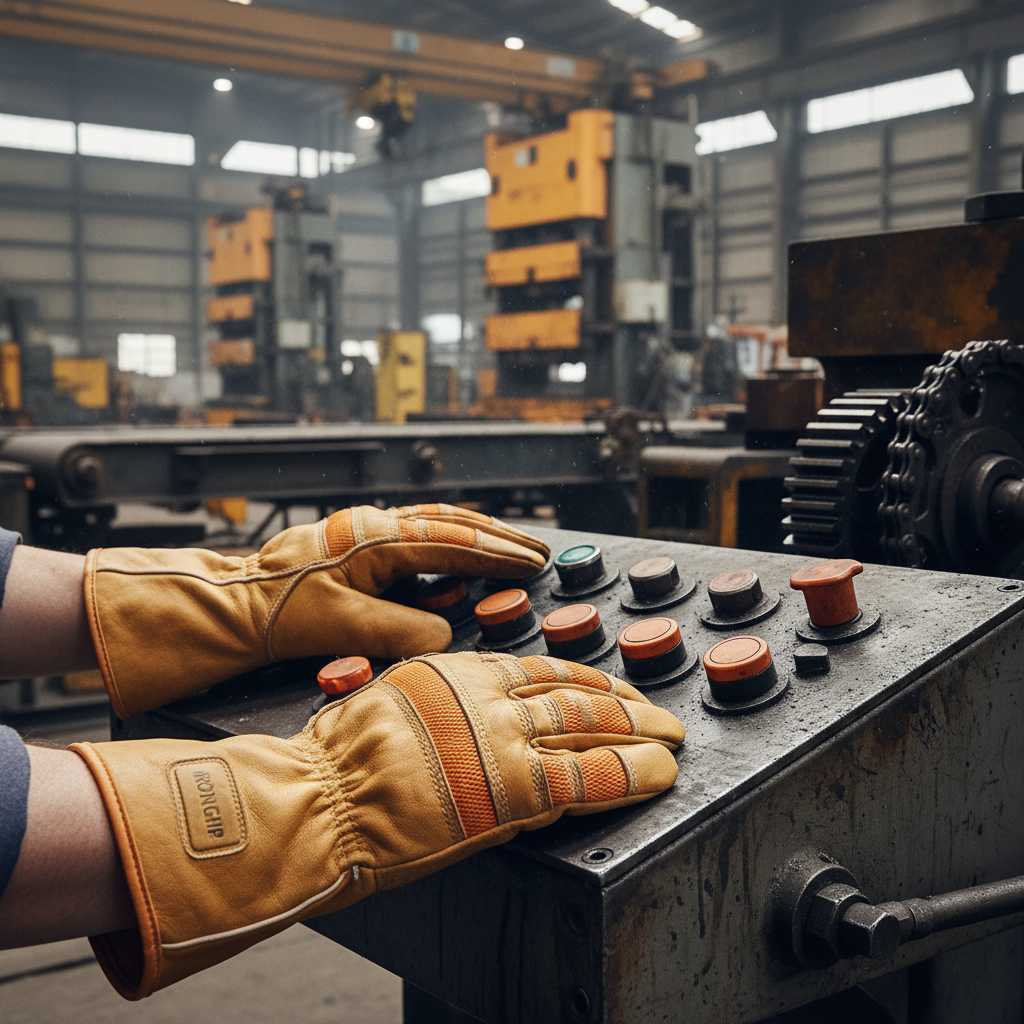
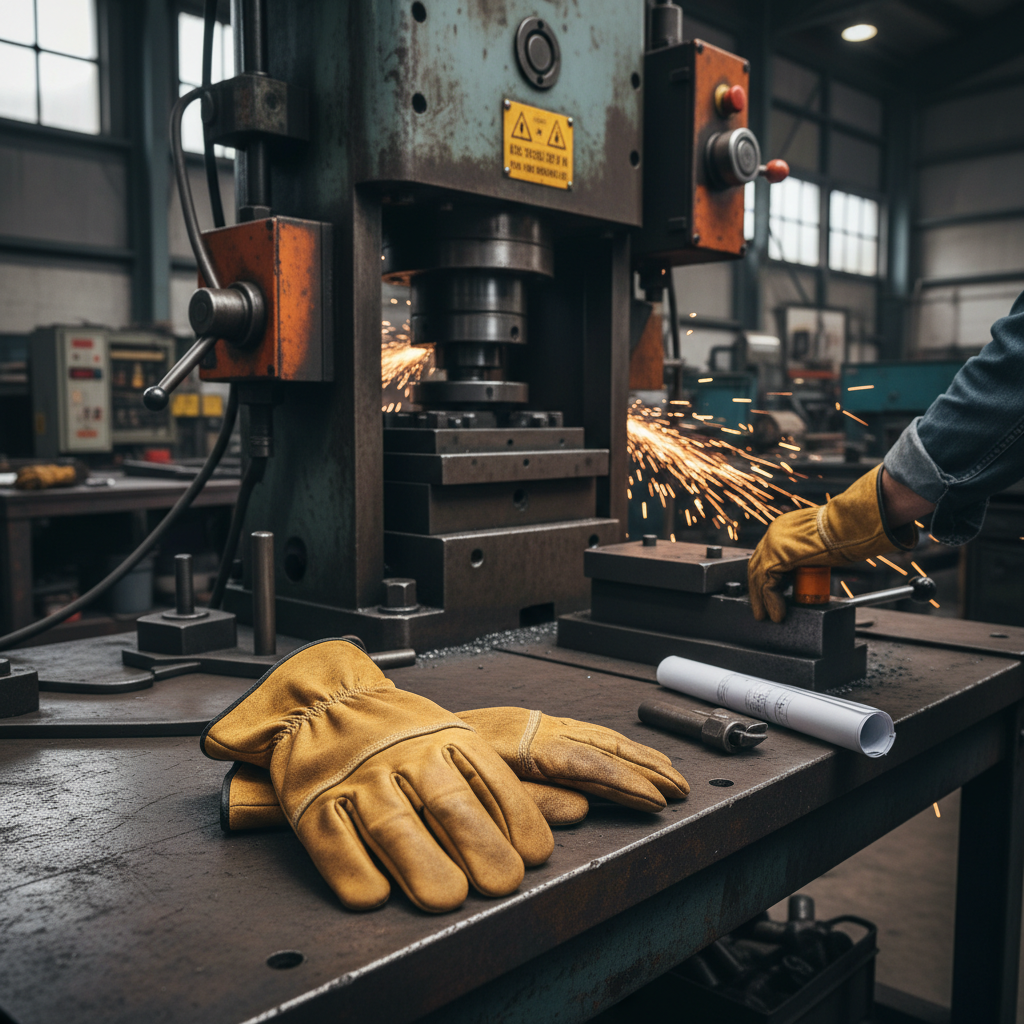
On a global scale, the reliance on leather outdoor gloves extends far beyond simple fashion or warmth. In industrial sectors governed by ISO safety standards, leather is prized for its natural resistance to punctures and tears, providing a critical layer of protection for workers in forestry, mining, and heavy construction. The biological structure of collagen fibers in leather creates a mesh that is inherently stronger than most woven synthetics when subjected to abrasive friction.
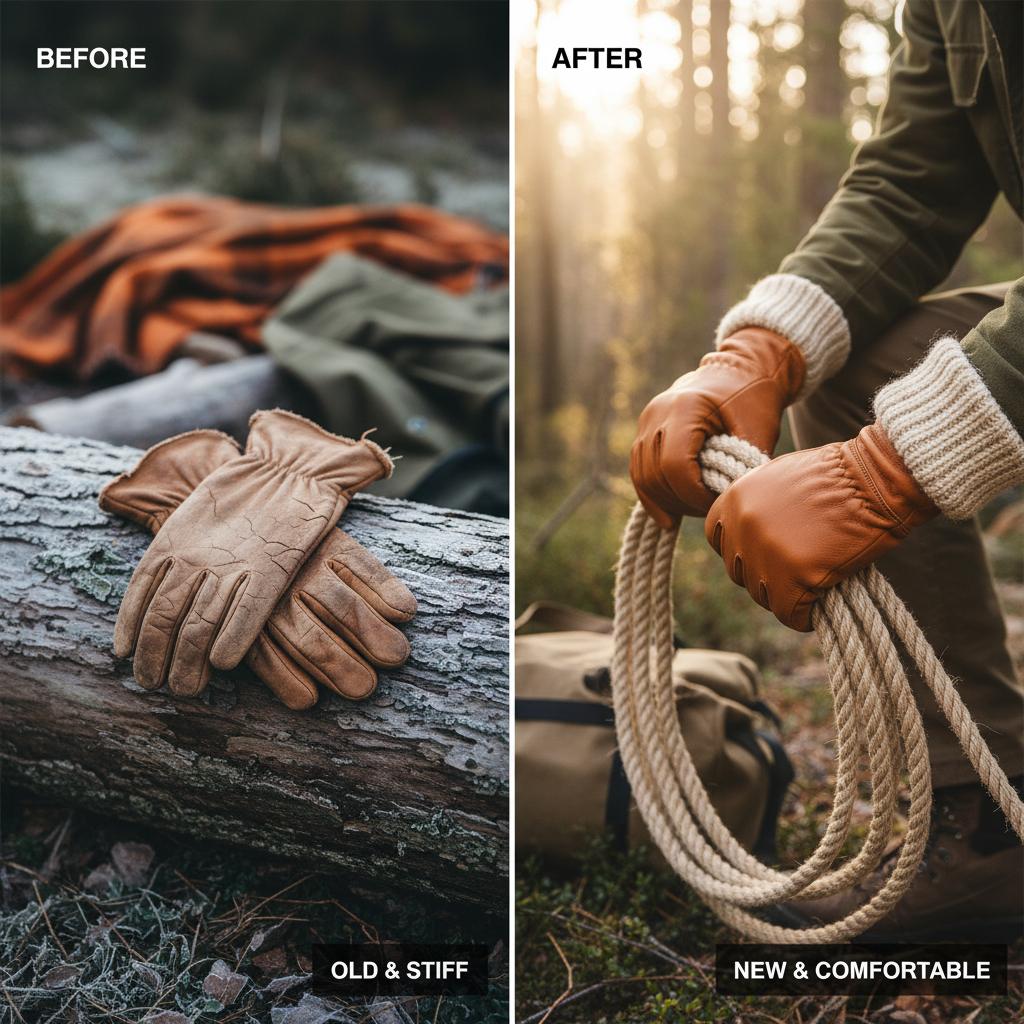
Furthermore, in the realm of professional mountaineering and search-and-rescue operations, the ability of leather to mold to the wearer's hand over time creates a customized fit that enhances tactile precision. This "break-in" period is a unique advantage of genuine leather, allowing the user to maintain a firm grip on ropes and tools even in sub-zero temperatures, which is a common challenge addressed by high-end outdoor gear.
Defining the Standards of High-Performance Leather Gear
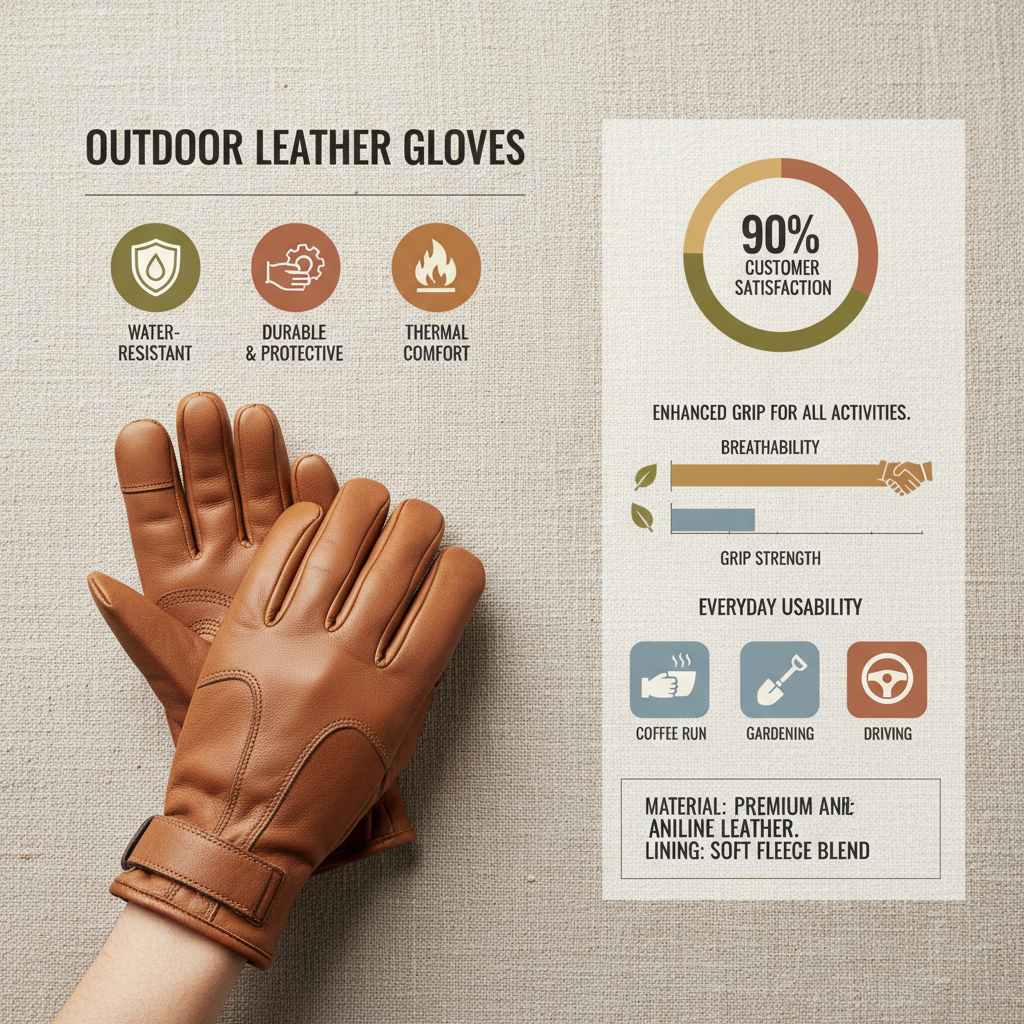
At its core, leather outdoor gloves are specialized protective garments constructed from tanned animal hides—typically cowhide, goatskin, or deerskin—designed to shield the hands from environmental hazards. Unlike urban leather gloves, outdoor variants are engineered with specific treatments to handle moisture, UV exposure, and extreme temperature fluctuations, bridging the gap between rugged utility and ergonomic comfort.
The definition of "high-performance" in this context refers to the synergy between the leather's grade and its functional treatment. For instance, full-grain leather is often utilized for maximum durability, while nubuck or suede may be used where a softer feel and higher breathability are required. This distinction is vital for humanitarian aid workers in remote industrial zones who require gear that can withstand jagged debris while remaining flexible enough for medical or technical tasks.
Modern industry has further evolved these definitions by integrating leather with advanced linings. Whether it is Thinsulate for winter warmth or moisture-wicking membranes for spring hiking, the contemporary leather outdoor glove is no longer just a piece of hide, but a multi-layered system designed to maintain homeostatic hand temperature regardless of external conditions.
Core Components of Durable Outdoor Handwear
The durability of leather outdoor gloves begins with the selection of the hide. Grain quality determines how the glove will react to water and abrasion; full-grain leather retains the outer layer of the hide, providing the highest level of water resistance and tensile strength, which is indispensable for heavy-duty outdoor activities.
Scalability and adaptability in design are also crucial. High-quality gloves feature reinforced stitching at high-stress points, such as the palm and finger crotches. The integration of "keystone" thumb designs allows for a more natural range of motion, ensuring that the leather does not restrict the user's ability to perform complex manual tasks during outdoor excursions.
Cost efficiency in the long run is achieved through the leather's longevity. While a synthetic pair may be cheaper initially, leather outdoor gloves can be conditioned and repaired, lasting years longer than plastic-based alternatives. This sustainability makes them a preferred choice for organizations focusing on reducing waste in professional outdoor gear procurement.
Comparative Performance Metrics of Leather Types
When analyzing the efficacy of different materials, it becomes clear that not all leathers are created equal for outdoor use. Cowhide offers unparalleled toughness for industrial work, whereas goatskin provides a superior balance of softness and durability for activities requiring more finger dexterity, such as climbing or technical trekking.
To better understand how these materials stack up, we evaluate them across several performance dimensions including abrasion resistance, water permeability, and tactile sensitivity. This data helps users choose the specific leather variant that aligns with their environmental challenges.
Performance Comparison of Leather Outdoor Gloves Materials
Real-World Applications and Specialized Use Cases
In practice, leather outdoor gloves serve as indispensable tools in diverse environments. For instance, in post-disaster relief operations, rescue teams utilize heavy-grain leather gloves to clear debris and handle unstable structures, where the risk of lacerations is high. The natural toughness of the leather prevents injuries that would easily penetrate through nylon or polyester fabrics.
Conversely, in the luxury outdoor leisure market, such as high-altitude skiing or equestrian events, the focus shifts to thermal regulation and elegance. Here, leather is paired with cashmere or merino wool linings to create a barrier against biting winds while maintaining a sophisticated silhouette. This versatility demonstrates how leather adapts from a survival tool to a high-end accessory without losing its core protective properties.
Long-Term Value and Sustainable Reliability
The long-term value of investing in quality leather outdoor gloves is found in their reliability. Unlike synthetic materials that crack and peel over time due to UV degradation, well-maintained leather develops a patina and actually conforms better to the user's hand. This psychological trust—knowing that your gear will not fail during a critical moment—is a significant emotional benefit for professionals working in hazardous conditions.
From a sustainability perspective, the shift toward vegetable-tanning processes is reducing the environmental footprint of leather production. By replacing chromium salts with plant-based tannins, manufacturers are creating biodegradable gloves that do not leach toxins into the soil. This alignment with green initiatives ensures that outdoor enthusiasts can protect their hands without compromising the health of the wilderness they explore.
Ultimately, the reliability of leather boils down to its biological origin. It is a material designed by nature to be a protective skin. When reinforced with modern ergonomic patterns, it provides a level of safety, dignity, and innovation that synthetic alternatives simply cannot replicate, offering a timeless solution to the age-old problem of hand protection.
Future Innovations in Leather Glove Technology
The future of leather outdoor gloves lies in the integration of "smart" materials. We are seeing the emergence of conductive leather fingertips that allow users to operate GPS devices and smartphones without removing their gloves, solving a major pain point for modern hikers and field engineers. This digital transformation allows for seamless connectivity in the wildest environments.
Furthermore, automation in the cutting and stitching process is allowing for "zero-waste" manufacturing. By using AI-driven pattern optimization, leather manufacturers can maximize the yield from every hide, significantly reducing raw material waste. This intersection of traditional craft and high-tech automation is driving down costs while increasing the precision of the fit.
We are also witnessing the rise of lab-grown leather and mycelium-based alternatives that mimic the cellular structure of animal hides. While traditional leather remains the gold standard for extreme durability, these bio-engineered materials promise a future where high-performance outdoor gear is entirely cruelty-free and carbon-neutral.
Analysis of Material Performance and Sustainability in Leather Outdoor Gloves
| Leather Type |
Primary Application |
Durability Score (1-10) |
Eco-Friendliness |
| Full-Grain Cowhide |
Heavy Industrial/Mining |
10 |
Medium (Chrome Tan) |
| Goatskin (Cabretta) |
Tactical/Hiking |
8 |
High (Veg Tan) |
| Deerskin |
Cold Weather Leisure |
7 |
Medium |
| Sheepskin |
Winter Fashion/Light Use |
6 |
High |
| Synthetic Leather |
Budget Outdoor Gear |
4 |
Low (Plastic Based) |
| Mycelium Bio-Leather |
Eco-Conscious Trekking |
6 |
Ultra-High |
FAQS
To maintain the integrity of your leather outdoor gloves, avoid letting them dry out after getting wet. Instead of placing them near a heater, let them air dry naturally. Once dry, apply a high-quality leather conditioner or mink oil to keep the fibers supple and maintain water resistance. This prevents the leather from cracking and extends the lifespan by several years.
Most leather gloves are naturally water-resistant due to the dense structure of the hide, but they are not inherently waterproof. For total waterproofing, look for gloves that have a waterproof membrane (like Gore-Tex) integrated between the leather shell and the lining, or apply a specialized wax-based waterproofing cream to the exterior surface.
For tasks requiring high dexterity, goatskin is the optimal choice. It is thinner and more flexible than cowhide but retains impressive abrasion resistance. This allows the wearer to feel the texture of ropes and equipment more accurately while still protecting the skin from friction burns.
Yes, but the leather shell alone is not enough. For extreme cold, you must choose gloves with a thermal lining such as Thinsulate, fleece, or wool. Leather acts as a critical wind-blocker, preventing the "wind-chill" effect from stripping heat away from your hands, while the lining traps the warmth.
Genuine leather typically has irregular pore patterns and a distinct organic smell. If you press your finger into the material, it will wrinkle naturally. Synthetics often have a perfectly repeating pattern and a plastic-like smell. Additionally, genuine leather will absorb a small amount of water or oil, whereas synthetics will cause the liquid to bead up and roll off immediately.
Generally, yes. Vegetable-tanned leather is incredibly durable and often lasts longer than chrome-tanned leather because it doesn't degrade as quickly under UV exposure. While it may feel stiffer initially and require a longer break-in period, the long-term structural integrity is equal to, if not better than, traditionally tanned options.
Conclusion
In summary, leather outdoor gloves represent a perfect marriage of biological resilience and human engineering. By understanding the specific properties of different hides—from the ruggedness of cowhide to the agility of goatskin—and embracing modern sustainable tanning and smart-tech integrations, users can ensure their hands remain protected in the most challenging environments on earth.
As we move toward a more sustainable future, the evolution of bio-leathers and zero-waste manufacturing will only enhance the value of this essential gear. Whether you are a professional in the industrial sector or an avid explorer of the wild, investing in high-quality leather handwear is an investment in safety, longevity, and performance. To explore our full range of professional hand protection, visit our website: www.personalcarescn.com.cn