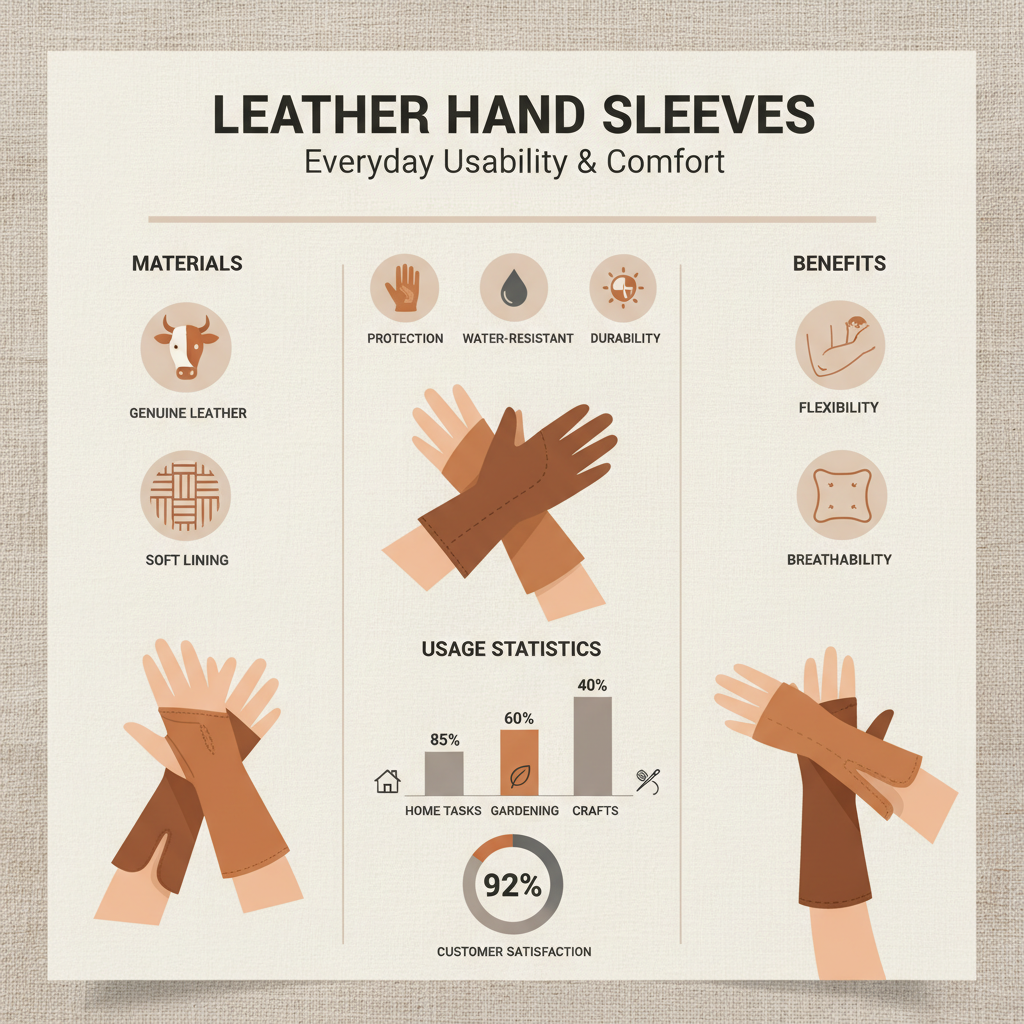
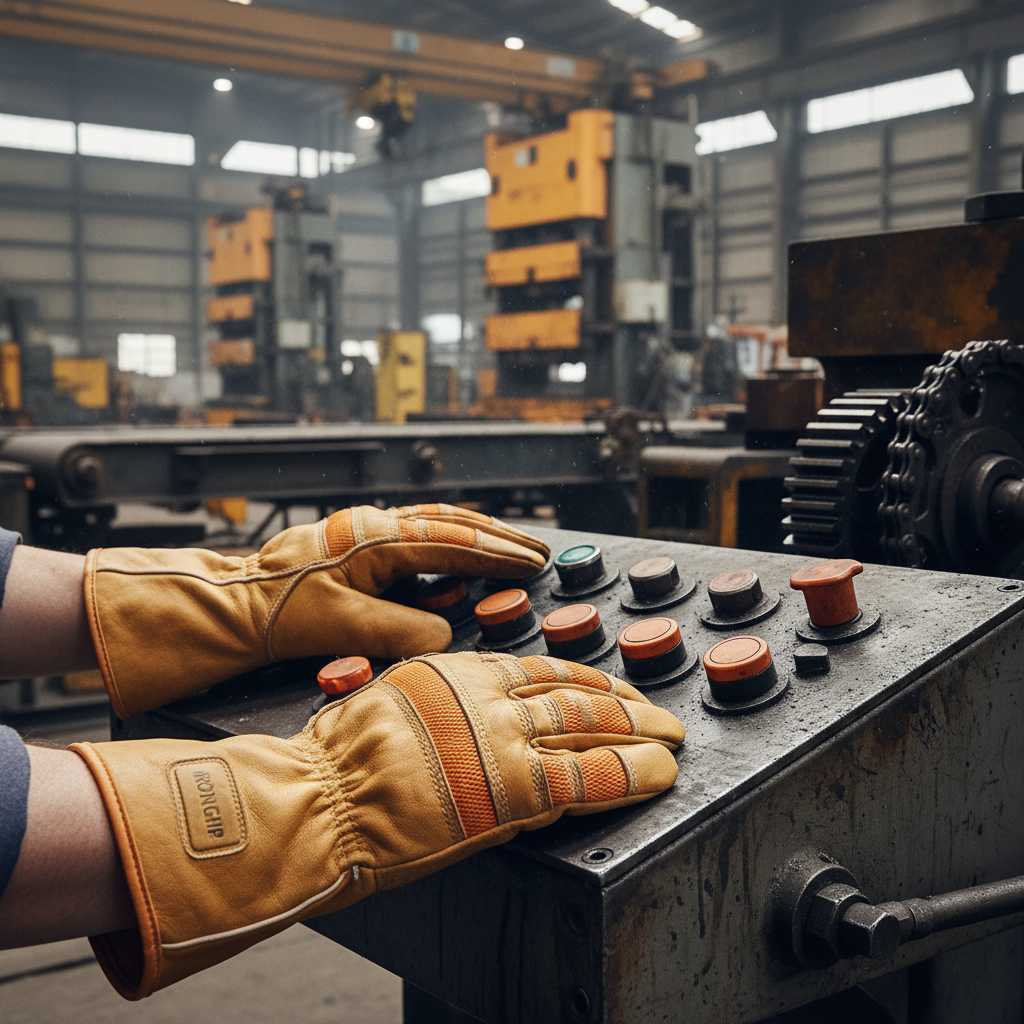
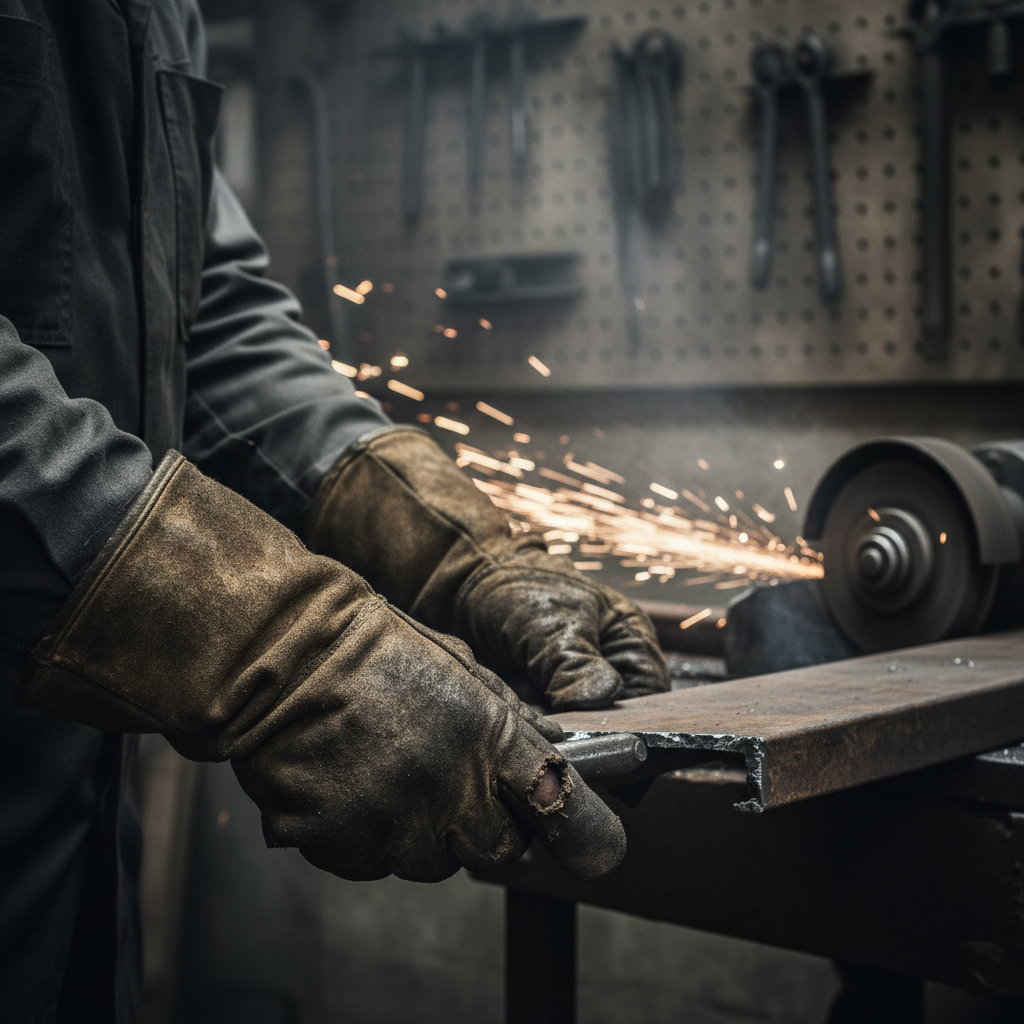
Leather hand sleeves, a specialized subset of leather gloves, are experiencing a surge in demand globally due to their protective qualities across a range of industries. From industrial safety and culinary arts to specialized medical applications, these sleeves offer a robust and adaptable solution for safeguarding hands and forearms. The increasing focus on workplace safety regulations and the growing demand for hygiene in food processing are significant drivers of this market.
Historically, hand protection relied on rudimentary materials and designs. However, the development of advanced tanning processes and manufacturing techniques has enabled the creation of sophisticated leather hand sleeves tailored to specific needs. This evolution reflects a wider trend in material science, where specialized materials are engineered to meet precise performance criteria. The global leather industry, valued at billions of dollars, continues to innovate, with hand sleeves representing a high-growth segment.
Understanding the nuances of leather hand sleeves—their construction, materials, and applications—is crucial for businesses and individuals alike. These sleeves aren’t just about protection; they represent a commitment to quality, safety, and efficiency in a diverse array of professional and personal contexts. This commitment translates into reduced workplace accidents, improved product quality, and ultimately, a more productive and secure environment.
The Importance of Leather Hand Sleeves Globally
The global demand for leather hand sleeves is intricately linked to industrial growth and increasingly stringent safety standards. According to the International Labour Organization (ILO), over 2.78 million workers die each year from occupational accidents and work-related diseases. A significant percentage of these incidents involve hand injuries, highlighting the critical need for effective hand protection. Leather hand sleeves provide a durable and reliable barrier against a range of hazards, including abrasions, cuts, and burns.
Furthermore, the rise of the food processing and pharmaceutical industries, both heavily regulated sectors, is driving demand for hygienic hand protection solutions. Leather, when properly treated, offers a natural resistance to bacterial growth and can be easily sanitized, making leather hand sleeves an ideal choice in these environments. The United Nations Conference on Trade and Development (UNCTAD) reports that global trade in leather products continues to expand, indicating a robust and growing market for these specialized sleeves.
Defining Leather Hand Sleeves
Leather hand sleeves are protective garments designed to cover the hand and forearm, typically extending from the wrist to the elbow. They differ from standard gloves in their length and often, in the degree of specialized protection they offer. They're essentially elongated gloves, providing a more comprehensive barrier against hazards. The materials used, predominantly various types of leather, dictate the sleeve's performance characteristics—flexibility, durability, and resistance to specific threats.
The connection to modern industry lies in the practical need to safeguard workers and maintain product integrity. In manufacturing, automotive assembly, and even food handling, leather hand sleeves prevent injuries and contamination. The inherent properties of leather—its strength, flexibility, and resistance to punctures—make it uniquely suited for these applications. The sleeves are not merely protective gear, but integral components of ensuring operational efficiency and compliance.
Beyond industrial applications, leather hand sleeves also find relevance in niche areas requiring specialized protection. For instance, falconry relies on thick leather sleeves to protect handlers from raptor strikes, demonstrating how the material’s durability translates to safeguarding against powerful impacts. This showcases the versatility of leather hand sleeves in diverse situations.
Key Characteristics of High-Quality Leather Hand Sleeves
Durability is paramount when evaluating leather hand sleeves. The type of leather used—cowhide, goatskin, or pigskin—significantly influences its resistance to abrasion, punctures, and tears. High-quality sleeves employ full-grain leather, which retains the natural strength and texture of the hide, offering superior longevity compared to split-grain or bonded leather alternatives.
Flexibility is equally crucial. A sleeve that restricts movement can impede productivity and even increase the risk of accidents. The thickness and tanning process of the leather impact its suppleness. Properly tanned leather remains pliable, allowing for a full range of motion while maintaining robust protection. The cut and construction of the sleeve also contribute to its overall comfort and ease of use.
Heat resistance is a critical factor in many industrial settings. While leather isn't inherently fireproof, specific tanning processes can enhance its ability to withstand high temperatures for short durations. Selecting sleeves treated for heat resistance is vital when working near open flames, hot surfaces, or welding operations. The level of heat protection should align with the specific hazards present in the workplace.
Performance Metrics of Leather Hand Sleeves
Assessing the effectiveness of leather hand sleeves requires understanding several key performance metrics. Abrasion resistance, measured by the number of cycles required to wear through the leather, is a critical indicator of durability. Puncture resistance, tested using a standardized force gauge, determines the sleeve’s ability to withstand sharp objects.
Cut resistance, often evaluated using a cut test machine, assesses the sleeve's protection against slicing hazards. The results are typically reported using a standardized scale, allowing for comparison between different materials and designs. Understanding these metrics helps organizations select the most appropriate leather hand sleeves for their specific needs.
Leather Hand Sleeve Performance Comparison
Global Applications of Leather Hand Sleeves
Leather hand sleeves are essential in a wide variety of industries worldwide. In the automotive sector, they protect assembly line workers from sharp edges and welding sparks. The food processing industry utilizes them for hygiene and cut protection during meat and poultry handling. Furthermore, they are crucial in the metalworking industry, safeguarding against abrasions, burns, and impacts.
In remote industrial zones of Southeast Asia, where safety regulations may be less stringent, leather hand sleeves offer a readily available and cost-effective means of improving worker safety. Similarly, in post-disaster relief operations, they protect volunteers and emergency personnel from debris and hazardous materials. In specialized applications, such as glassblowing and ceramics, they shield against heat and flying shards.
Benefits and Long-Term Value Proposition
The tangible benefits of investing in high-quality leather hand sleeves extend beyond immediate safety. Reduced workplace accidents translate to lower insurance costs, decreased downtime, and increased productivity. The durability of leather, when properly maintained, results in a longer product lifespan, reducing the frequency of replacements and minimizing waste. This contributes to a more sustainable and cost-effective solution in the long run.
From an emotional standpoint, providing employees with reliable hand protection fosters a sense of trust and well-being, boosting morale and job satisfaction. Logically, the investment in robust safety equipment demonstrates a commitment to employee health and safety, enhancing the company’s reputation and attracting top talent. Leather hand sleeves aren’t just a cost, but a strategic investment in a safer, more productive, and more responsible operation.
Future Trends and Innovations in Leather Hand Sleeve Technology
Innovation in leather processing and material science is driving advancements in leather hand sleeve technology. Research into bio-based tanning agents, utilizing plant extracts and enzymes, is gaining momentum, offering a more sustainable alternative to traditional chromium-based tanning. The integration of smart textiles, incorporating sensors to monitor temperature, pressure, and impact, is also emerging as a promising trend.
Furthermore, the application of 3D printing techniques allows for the creation of custom-fitted sleeves tailored to individual hand shapes and specific job requirements. These advancements, combined with the ongoing focus on automation and digital transformation in manufacturing, will continue to shape the future of leather hand protection. The shift towards circular economy principles, emphasizing material reuse and recycling, will also influence the design and production of leather hand sleeves.
The integration of nanotechnology could also lead to leather hand sleeves with self-healing properties, automatically repairing minor abrasions and extending their lifespan. This represents a significant step towards reducing waste and improving the overall sustainability of the product.
Analysis of Challenges and Solutions for Leather Hand Sleeves
| Challenge |
Impact on Leather Hand Sleeves |
Proposed Solution |
Implementation Cost (1-10) |
| Sustainability of Tanning Processes |
Environmental concerns regarding chromium-based tanning. |
Transition to vegetable tanning or alternative eco-friendly methods. |
7 |
| Limited Breathability |
Can cause discomfort and sweating during prolonged use. |
Incorporate perforated leather or moisture-wicking linings. |
5 |
| Maintaining Flexibility over Time |
Leather can become stiff and brittle with age. |
Regular conditioning with leather treatments. |
3 |
| Variability in Leather Quality |
Inconsistent performance based on hide source and processing. |
Implement rigorous quality control standards and source from certified suppliers. |
6 |
| Lack of Customization |
Standard sizes may not fit all users optimally. |
Offer custom sizing options or utilize 3D scanning for tailored fit. |
8 |
| Resistance to Certain Chemicals |
Leather can be degraded by exposure to specific solvents and acids. |
Apply protective coatings or select chemically resistant leather types. |
4 |
FAQS
Leather hand sleeves are most commonly crafted from cowhide, goatskin, and pigskin. Cowhide provides excellent abrasion resistance and durability, making it ideal for heavy-duty applications. Goatskin is known for its softness and dexterity, often used in tasks requiring fine motor skills. Pigskin offers good breathability and is relatively affordable. The choice of leather depends on the specific requirements of the intended use.
To maintain the longevity of your leather hand sleeves, avoid prolonged exposure to water and harsh chemicals. Regularly clean them with a damp cloth and allow them to air dry naturally. Periodically condition the leather with a specialized leather conditioner to keep it supple and prevent cracking. Store them in a cool, dry place away from direct sunlight.
Leather hand sleeves are widely used in a variety of industries, including automotive manufacturing, food processing, metalworking, welding, construction, and glassblowing. They provide essential protection against cuts, abrasions, burns, and impact hazards. Specialized sleeves are also used in falconry and other niche applications.
While leather offers good cut resistance, it’s not impervious to all types of cuts. The level of protection depends on the leather’s thickness, quality, and any additional reinforcement. For extremely sharp or aggressive cutting hazards, specialized cut-resistant materials, such as those incorporating high-performance fibers, may be necessary.
Accurate sizing is crucial for ensuring both comfort and effective protection. Measure the circumference of your hand at the widest point and the length of your forearm. Compare these measurements to the manufacturer's sizing chart. It's generally better to choose a slightly snug fit to maintain dexterity and prevent the sleeve from shifting during use.
Yes, increasingly, manufacturers are adopting more sustainable tanning processes, such as vegetable tanning, which utilizes plant-based materials instead of harsh chemicals. Additionally, sourcing leather from responsibly managed farms and promoting leather recycling initiatives contribute to a more environmentally friendly supply chain.
Conclusion
Leather hand sleeves remain a vital component of workplace safety and hand protection across numerous industries globally. Their inherent durability, flexibility, and resistance to various hazards, coupled with ongoing innovations in materials and manufacturing, ensure their continued relevance. Understanding the critical characteristics of leather hand sleeves – from leather type and construction to performance metrics – empowers informed decisions for maximizing protection and efficiency.
Looking forward, the adoption of sustainable tanning practices and the integration of smart technologies will further enhance the value proposition of leather hand sleeves. By prioritizing quality, investing in innovation, and embracing environmentally responsible practices, we can ensure that these essential garments continue to safeguard workers and drive productivity for years to come. Visit our website to explore our comprehensive range of leather hand sleeves: www.personalcarescn.com.cn.