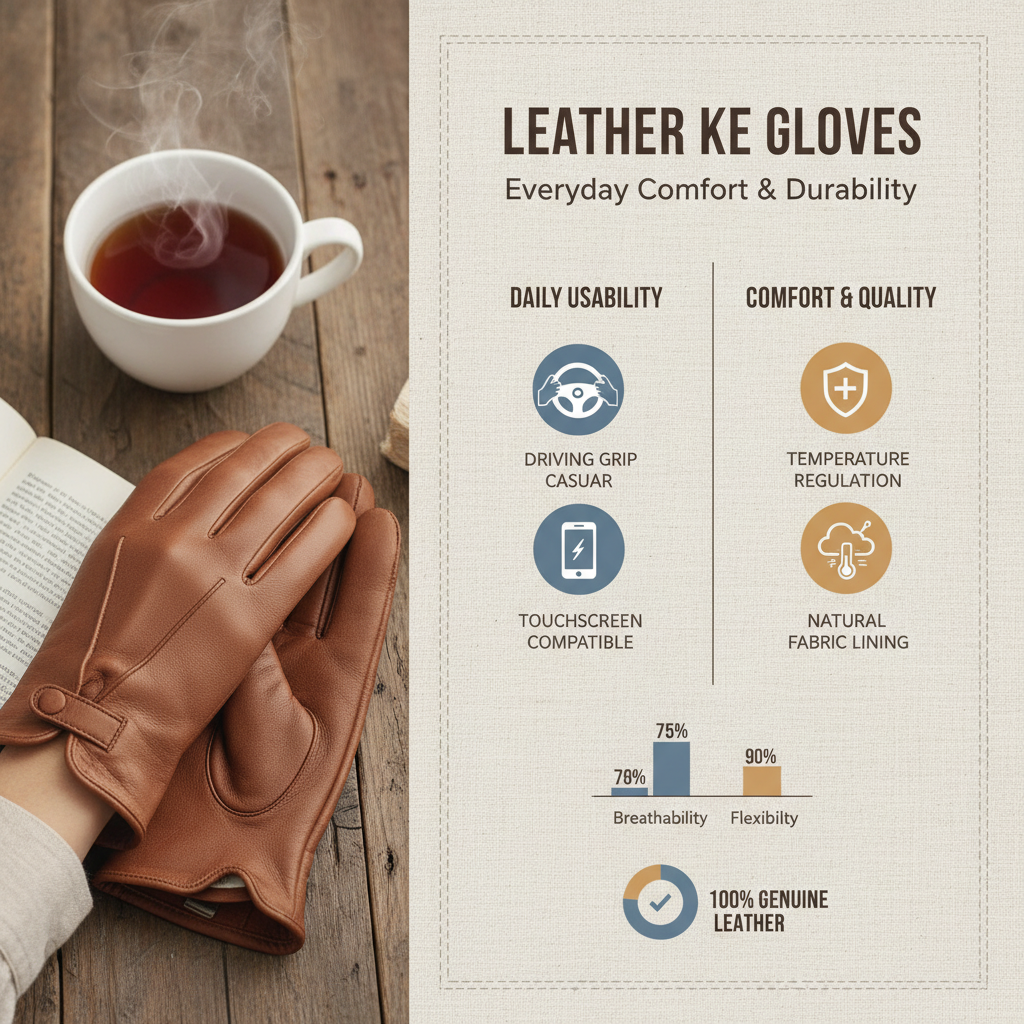
Leather ke gloves represent a crucial intersection of craftsmanship, safety, and industrial need. Globally, the demand for high-quality hand protection is steadily increasing, driven by stringent workplace safety regulations, a growing manufacturing sector in developing nations, and the specialized requirements of industries like automotive, construction, and healthcare. The specialized construction of leather ke gloves often caters to unique demands, offering a tailored solution where standard gloves fall short.
Understanding the nuances of leather ke gloves is vital for businesses seeking reliable and durable hand protection for their workforce. Beyond simple protection, these gloves can contribute to increased productivity, reduced workplace accidents, and enhanced employee comfort. Moreover, the choice of leather grade, construction methods, and specialized features significantly impacts the glove's lifespan, cost-effectiveness, and overall performance, making informed selection a key factor in operational efficiency.
The evolution of leather ke gloves has coincided with advancements in material science and manufacturing processes. From the traditionally hand-stitched designs to modern, automated production lines, innovation continues to drive improvements in comfort, dexterity, and protective capabilities. This makes staying informed about the latest developments essential for procuring gloves that meet the evolving challenges of various work environments.
The Significance of Leather Ke Gloves
The prevalence of hand injuries in various industries underscores the critical importance of effective hand protection. Leather ke gloves, designed with specific applications in mind, address this need by providing a superior level of dexterity, durability, and protection compared to standard gloves. The “ke” in leather ke gloves often refers to a reinforced palm or specific construction detail, boosting resilience.
These gloves aren't merely a safety requirement; they represent an investment in workforce well-being and productivity. By minimizing hand injuries, businesses can reduce lost work time, lower healthcare costs, and improve overall morale. Furthermore, choosing the right leather ke gloves demonstrates a commitment to employee safety, fostering a positive work environment and enhancing the company’s reputation.
Defining Leather Ke Gloves
Leather ke gloves are specialized hand coverings crafted primarily from leather, distinguished by their enhanced construction and features tailored for specific tasks. The term "ke" often signifies a reinforced palm area, providing superior abrasion resistance and grip – essential for jobs demanding repetitive hand movements or exposure to rough surfaces. They are a subset of leather gloves, but distinguished by this particular focus on specific protection requirements.
Unlike generic leather gloves, leather ke gloves are often designed in collaboration with industry professionals to meet the unique challenges of their respective fields. This collaborative approach ensures optimal fit, comfort, and performance. The meticulous attention to detail in their construction results in gloves that offer a balance of protection, dexterity, and longevity.
This precision makes leather ke gloves essential in scenarios where general-purpose hand protection isn't sufficient. They bridge the gap between basic safety requirements and the need for specialized protection in demanding work environments.
Core Components and Features of Leather Ke Gloves
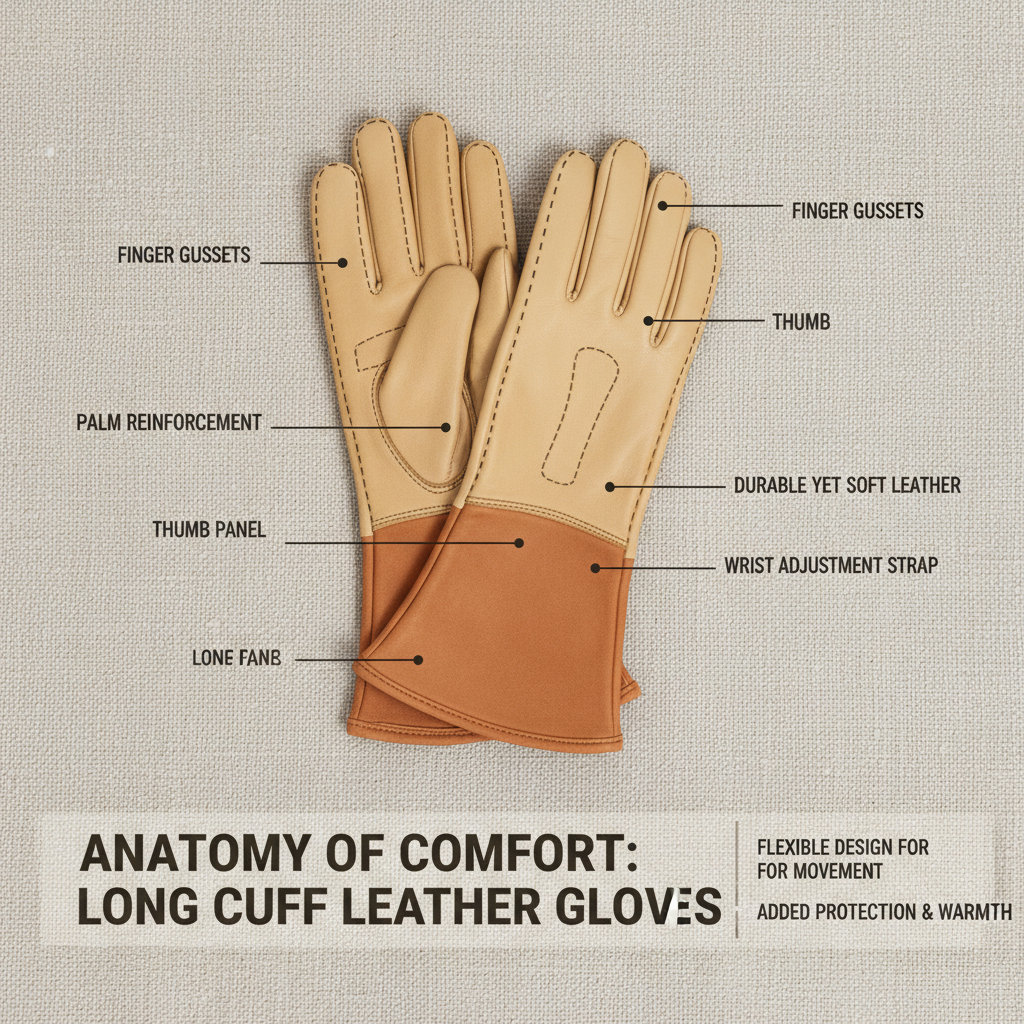
Several core components contribute to the functionality and durability of leather ke gloves. The quality of the leather itself is paramount; full-grain leather is favored for its strength and resistance to wear, while split leather offers a more economical option for less demanding applications. The reinforced “ke” area, as mentioned, utilizes extra layers of leather or specialized materials to enhance abrasion resistance.
Beyond the materials, the construction method plays a vital role. Stitching quality, seam placement, and the type of lining all influence the glove's comfort, fit, and longevity. Reinforced stitching, particularly in high-stress areas, is crucial for preventing tears and ensuring the glove holds up under rigorous use. Many leather ke gloves also feature adjustable wrist closures to ensure a secure and comfortable fit.
Additional features, such as impact-resistant padding on the knuckles, cut-resistant materials in the palm, and breathable linings, further enhance the glove's protective capabilities and user comfort. The choice of these features depends heavily on the specific application and the hazards present in the work environment.
Global Applications and Industry Uses
Leather ke gloves find widespread application across a diverse range of industries globally. In the automotive sector, they are crucial for assembly line workers, protecting hands from sharp edges, oil, and grease while maintaining dexterity for intricate tasks. Construction workers rely on them for handling materials, operating tools, and navigating hazardous environments.
The manufacturing industry, encompassing everything from electronics to heavy machinery, utilizes leather ke gloves to safeguard employees from cuts, abrasions, and impacts. Furthermore, specialized leather ke gloves are employed in industries like welding, where heat resistance is paramount, and in the healthcare sector, where hygiene and dexterity are essential.
In remote industrial zones and developing economies, where workplace safety standards may be less stringent, the provision of quality leather ke gloves can be particularly impactful, reducing the incidence of hand injuries and improving worker productivity. Even in post-disaster relief operations, they provide vital protection for responders handling debris and assisting in recovery efforts.
Leather Ke Glove Application Breakdown by Industry
Advantages and Long-Term Value Proposition
The advantages of investing in high-quality leather ke gloves extend beyond immediate safety benefits. Their durability translates into lower replacement costs over time, making them a cost-effective solution in the long run. The superior grip and dexterity they offer can also enhance worker efficiency, leading to increased productivity and reduced errors.
From a sustainability perspective, well-maintained leather ke gloves can have a longer lifespan than disposable alternatives, reducing waste and minimizing environmental impact. Furthermore, choosing ethically sourced leather supports responsible manufacturing practices. The emotional benefit of knowing employees are protected, combined with the logical advantages of reduced costs and increased productivity, builds trust and fosters a positive work culture.
Future Trends and Innovation in Leather Ke Gloves
Innovation in leather ke gloves is focused on integrating smart technologies and sustainable materials. The development of gloves with embedded sensors for monitoring hand fatigue, detecting impacts, and providing real-time feedback to workers is gaining traction. These smart gloves can enhance safety and improve ergonomics.
Furthermore, research into bio-based and recycled leather alternatives is driving the development of more environmentally friendly gloves. The use of 3D printing technology allows for customized glove designs tailored to specific hand shapes and task requirements, optimizing comfort and performance.
Challenges and Potential Solutions
Despite their benefits, leather ke gloves face challenges related to cost, maintenance, and the potential for discomfort in certain environments. High-quality leather gloves can be expensive upfront, making them inaccessible to some businesses. Regular cleaning and conditioning are necessary to maintain their durability and prevent cracking.
To address these challenges, manufacturers are exploring more affordable leather alternatives and developing innovative coatings that enhance water resistance and breathability. Implementing glove care programs and providing employee training on proper glove usage and maintenance can also extend their lifespan and maximize their value.
The future of leather ke gloves also hinges on balancing protective performance with user comfort. Developing lighter-weight materials and ergonomic designs will be crucial for maximizing worker acceptance and ensuring long-term compliance with safety regulations.
Summary of Leather Ke Glove Performance Metrics
| Glove Type |
Abrasion Resistance (Score 1-10) |
Dexterity Level (Score 1-10) |
Cost per Pair (USD) |
| Full Grain Leather Ke Glove |
9 |
8 |
$35 |
| Split Leather Ke Glove |
7 |
7 |
$20 |
| Goatskin Leather Ke Glove |
8 |
9 |
$40 |
| Reinforced Synthetic Leather Ke Glove |
6 |
6 |
$15 |
| Leather Ke Glove with Cut Resistance |
8 |
7 |
$50 |
| Waterproof Leather Ke Glove |
7 |
8 |
$45 |
FAQS
With regular cleaning, conditioning, and appropriate storage, well-maintained leather ke gloves can last anywhere from 6 months to 2 years, depending on the intensity of use and the quality of the leather. Proper care significantly extends their lifespan, reducing the need for frequent replacements and providing long-term cost savings. Regular inspection for wear and tear is also vital.
Proper sizing is crucial for both comfort and safety. Measure the circumference of your hand just below the knuckles. Consult the manufacturer's sizing chart, as sizes can vary between brands. A snug fit is ideal, allowing for dexterity without restricting movement. Gloves that are too loose can compromise protection, while gloves that are too tight can cause discomfort and fatigue.
Traditional leather is not compatible with touchscreen devices. However, many manufacturers now offer leather ke gloves with touchscreen-compatible fingertips, typically made from conductive materials. These gloves allow users to operate smartphones and tablets without removing them, enhancing convenience and productivity.
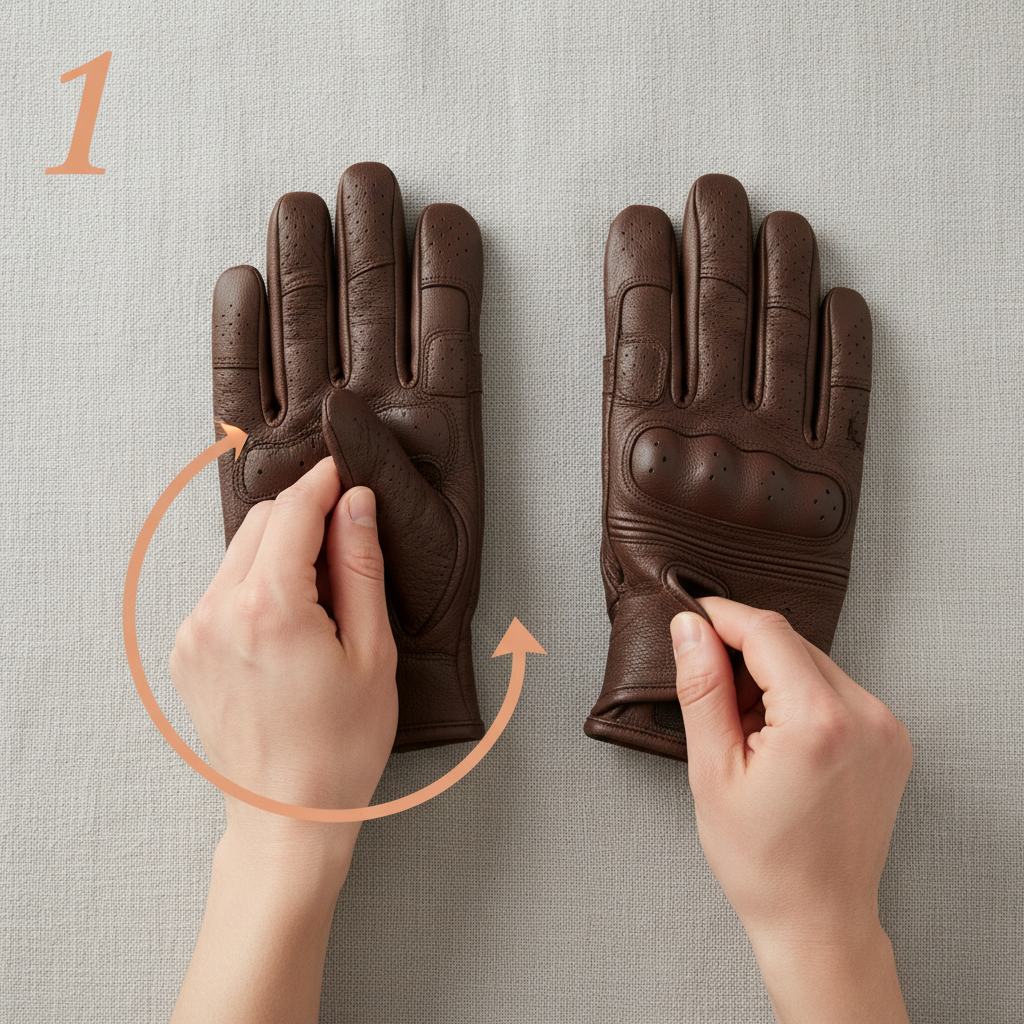
The frequency of cleaning and conditioning depends on the level of use and exposure to contaminants. Gloves used in dirty or greasy environments should be cleaned more frequently. Generally, cleaning with a mild soap and water solution followed by conditioning with a leather conditioner every 1-2 months will help maintain their softness, durability, and protective properties.
Look for gloves that meet relevant safety standards, such as EN 388 (European standard for hand protection) and ANSI/ISEA 105 (American National Standard for hand protection). These certifications indicate that the gloves have been tested for abrasion resistance, cut resistance, tear resistance, and puncture resistance, providing assurance of their protective capabilities.
Full-grain leather is the highest quality, most durable part of the hide, retaining the natural grain. Split leather is created from the lower layers of the hide and is more affordable, but less durable. Full-grain leather ke gloves offer superior abrasion resistance and longevity, while split leather gloves are suitable for less demanding applications.
Conclusion
In conclusion, leather ke gloves represent a crucial investment in workplace safety, worker productivity, and long-term cost-effectiveness. Their specialized construction, durable materials, and versatile applications make them indispensable in a wide range of industries. By understanding the key features, benefits, and emerging trends associated with leather ke gloves, businesses can make informed decisions and ensure their workforce is adequately protected.
Looking ahead, continued innovation in materials, design, and technology will further enhance the performance and sustainability of leather ke gloves. Prioritizing employee safety and investing in high-quality hand protection remains paramount for fostering a safe, productive, and thriving work environment. Explore our comprehensive range of leather ke gloves today!