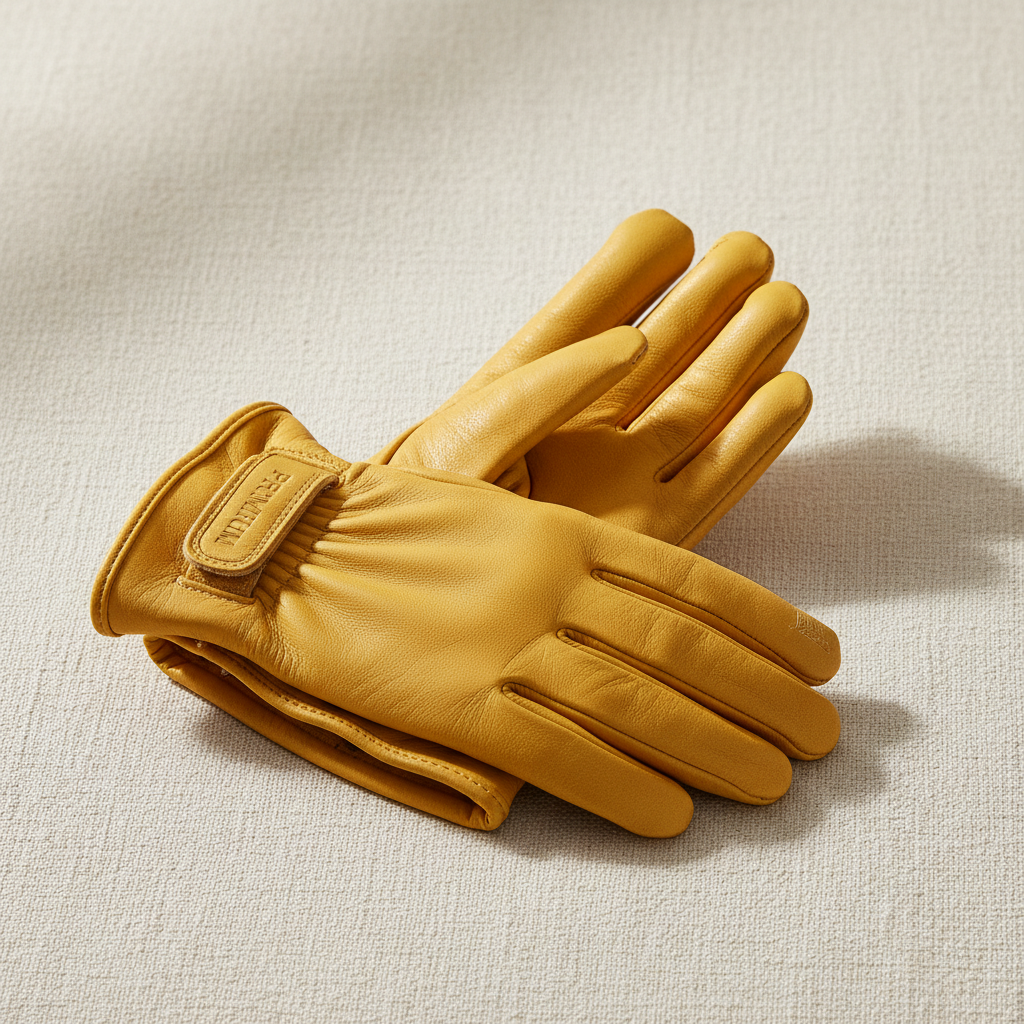
Look, I've spent the last fifteen years on construction sites, getting my hands dirty. And let me tell you, finding decent, durable work gloves that don't fall apart after a week is a constant battle. That’s where leather gloves yellow come in. They're not just a color choice, they’re often a sign of specific tanning and treatment processes that offer serious benefits for guys like me – and anyone who needs gloves that can handle real work. It's about visibility too; a bright yellow glove is easier to spot if someone gets into a tight spot on site.
We’re talking about gloves that stand up to abrasion, oil, and constant flexing. Forget those cheap fabric things that rip at the first sign of trouble. The quality of leather, combined with the right yellow dye and treatment, directly impacts how long the gloves will last and how well they'll protect your hands. We need gloves that can handle everything from rebar to welding sparks, and the right leather gloves yellow consistently deliver.
It’s not just about durability either. Increasingly, site managers are demanding high-visibility gear, and yellow leather gloves fit the bill perfectly. They're a simple, effective way to improve safety and ensure everyone can see where your hands are, especially in low-light conditions or around heavy machinery. It's a small thing, but it can make a big difference.
The Importance of Leather Selection in Leather Gloves Yellow
Now, not all leather is created equal. When we’re talking about leather gloves yellow, the type of leather used is absolutely crucial. Full-grain leather is the gold standard – it’s the most durable and breathable, and it develops a nice patina over time. Split-grain leather is more affordable but doesn't offer the same level of protection or longevity. You'll find a lot of gloves advertised as 'leather', but you need to dig deeper to find out what kind of leather it is.
The tanning process matters too. Vegetable-tanned leather is environmentally friendly and offers excellent durability, but it's typically more expensive. Chrome-tanned leather is more common and provides a softer, more flexible feel, but it’s not as environmentally responsible. The quality of the tanning directly impacts the leather’s resistance to cracking, tearing, and moisture.
Yellow Dye and Treatment Processes
The yellow color itself isn’t just aesthetic. The dyes used in leather gloves yellow often contain UV inhibitors, which help protect the leather from sun damage and fading. It also provides a critical visibility advantage. A bright yellow glove stands out against concrete, steel, and dirt, making it easier for others to see your hands and reducing the risk of accidents.
Beyond the dye, the treatment process plays a huge role. Some gloves are treated with oil or wax to make them water-resistant and more pliable. Others undergo a specialized coating to enhance abrasion resistance. It’s these little details that separate a good pair of gloves from a great pair. We look for treatments that don’t compromise the leather’s breathability.
The consistency of the dye application is also important. Uneven dye penetration can weaken the leather, leading to premature cracking and wear. A good manufacturer will have strict quality control measures in place to ensure a consistent finish.
Durability and Abrasion Resistance of Leather Gloves Yellow
Let's be honest, on a construction site, your gloves are going to take a beating. You’re scraping them against rough surfaces, handling abrasive materials, and constantly flexing them as you work. That’s why abrasion resistance is so critical. Leather gloves yellow, particularly those made from full-grain leather, generally outperform synthetic materials in this regard.
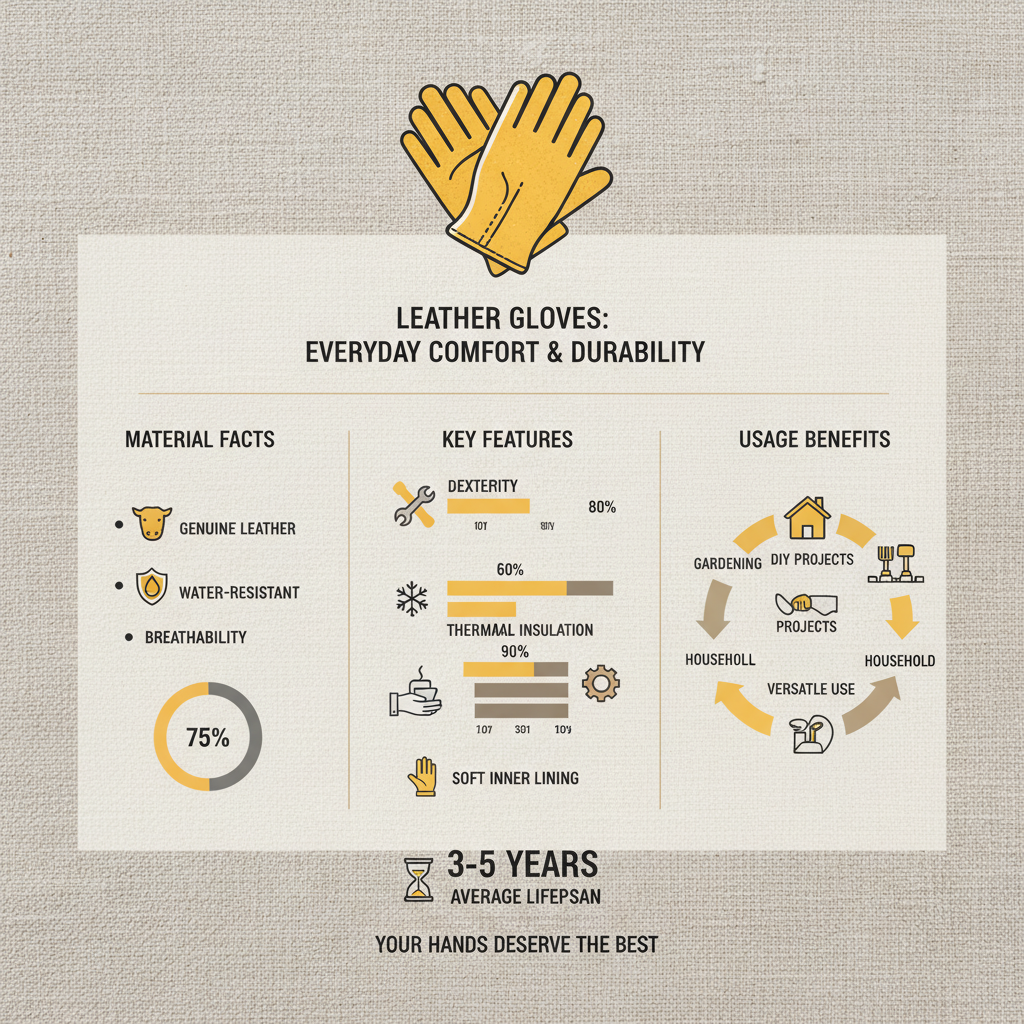
The thickness of the leather also matters. Thicker leather provides more protection, but it can also reduce dexterity. It’s a trade-off you need to consider based on the specific tasks you'll be performing. We typically look for gloves in the 1.0-1.2mm range, which strikes a good balance between protection and feel.
Reinforcements in high-wear areas, like the palms and fingertips, are also a good sign. These extra layers of leather or synthetic material can significantly extend the life of the gloves.
Performance Metrics for Leather Gloves Yellow
When evaluating leather gloves yellow, we don’t rely on marketing hype. We look at the data. Abrasion resistance is measured using the Martindale abrasion test, which determines how many cycles a fabric or leather can withstand before showing signs of wear. Higher numbers are better.
Tear strength is another important metric, measured in Newtons (N). It indicates how much force is required to tear the leather. We also look at tensile strength, which measures the leather’s resistance to stretching and breaking.
Leather Gloves Yellow - Performance Comparison
Real-World Applications of Leather Gloves Yellow
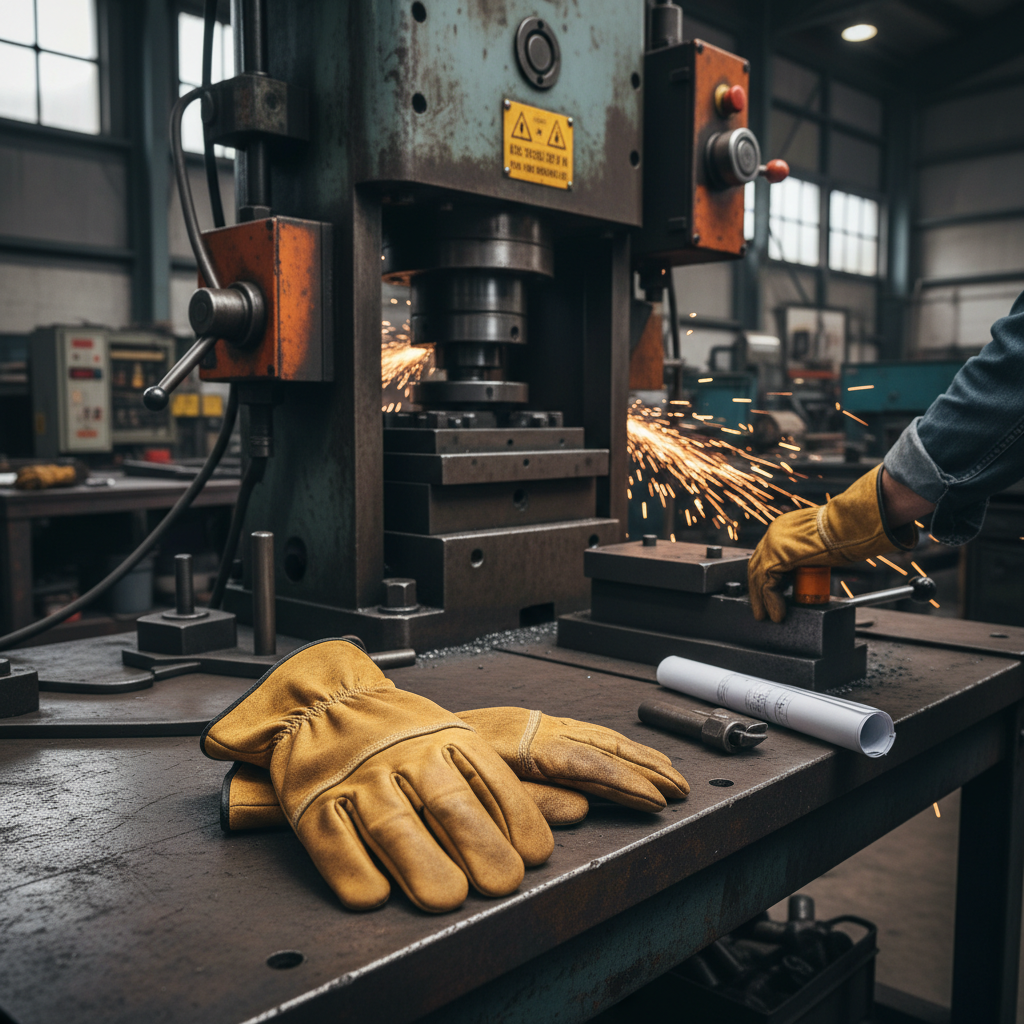
You'll see leather gloves yellow everywhere on construction sites, from framing crews to finish carpenters. They're also popular in industries like welding, mining, and landscaping. I've seen them used extensively in demolition work, where protecting your hands from sharp debris is paramount.
Increasingly, they're becoming standard issue for utility workers who need to handle live wires and cables. The leather provides a degree of electrical insulation, and the yellow color ensures they're easily visible in challenging conditions. We’ve been testing different gloves for overhead work; visibility is huge when you're 30 feet in the air.
Advantages and Long-Term Value
Look, cheap gloves might save you a few bucks upfront, but they’ll end up costing you more in the long run. You’ll be replacing them constantly, and you're putting your hands at risk. Leather gloves yellow, when properly cared for, can last for months, even years.
That translates to lower overall costs and improved safety. It’s an investment in your workforce, and it shows you value their well-being. There's a peace of mind that comes with knowing your team has reliable, durable protection.
From a sustainability standpoint, leather is a natural, renewable resource. While the tanning process can have environmental impacts, there are increasingly sustainable tanning methods available.
Future Trends and Innovations in Leather Glove Technology
We're starting to see some exciting developments in leather glove technology. Manufacturers are experimenting with new materials, like reinforced polymers and synthetic fibers, to enhance abrasion resistance and dexterity. Smart gloves with embedded sensors that can detect pressure, temperature, and even vibrations are also on the horizon.
There's a growing focus on developing more sustainable tanning processes, using plant-based alternatives to chrome. We are also looking at coatings that offer enhanced grip in wet or oily conditions. The goal is to create gloves that are not only durable and protective but also environmentally responsible.
Automation in the manufacturing process is also increasing, allowing for more precise stitching and reinforcement, resulting in higher-quality gloves.
Summary of Factors Influencing Leather Glove Yellow Performance
| Leather Type |
Tanning Process |
Reinforcement Materials |
Overall Performance Score (1-10) |
| Full-Grain Leather |
Vegetable Tanned |
Kevlar |
9 |
| Split-Grain Leather |
Chrome Tanned |
Nylon |
6 |
| Top-Grain Leather |
Combination Tanned |
Spandex |
7 |
| Full-Grain Leather |
Chrome Tanned |
None |
8 |
| Suede Leather |
Vegetable Tanned |
Leather Patch |
5 |
| Synthetic Leather |
None |
Rubber |
4 |
FAQS
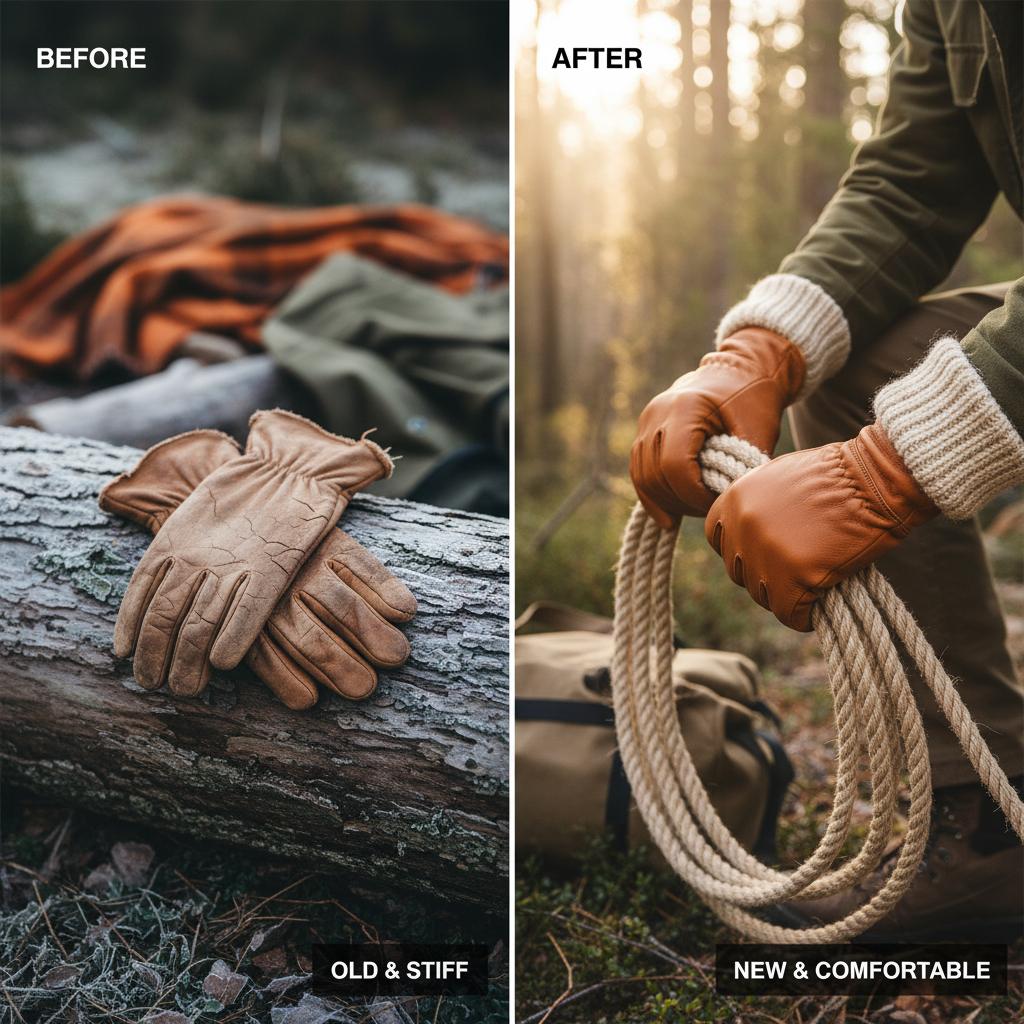
After a hard day’s work, don’t just toss your leather gloves yellow in a pile. Wipe them down with a damp cloth to remove dirt and grime. For tougher stains, use a leather cleaner specifically designed for work gloves. Avoid harsh chemicals or abrasive cleaners, as these can damage the leather. Allow them to air dry naturally, away from direct heat or sunlight. Regular cleaning will extend their lifespan considerably.
While leather gloves yellow offer some protection, they aren't always ideal for welding without additional features. You need gloves specifically designed for welding with heat-resistant properties and a reinforced palm. Look for gloves that meet relevant safety standards like ANSI/ISEA Z88.5. Standard leather gloves might protect against sparks, but they won't withstand the intense heat for extended periods.
Start by examining the leather itself. Full-grain leather should have a natural grain pattern and a robust feel. Check the stitching – it should be tight and even, with no loose threads. Pay attention to the palm reinforcement; a well-reinforced palm is a sign of quality construction. Finally, consider the brand reputation; established brands typically offer higher-quality products.
Leather can shrink if it gets excessively wet and then dries quickly. To minimize shrinkage, avoid soaking your leather gloves yellow in water. If they do get wet, allow them to air dry slowly, away from direct heat. Applying a leather conditioner after drying can help restore moisture and prevent cracking. Proper care will significantly reduce the risk of shrinkage.
With regular use and proper care, a good pair of leather gloves yellow should last anywhere from six months to a year, maybe even longer depending on the intensity of the work. Regular cleaning, conditioning, and prompt repair of any damage will maximize their lifespan. Eventually, the leather will wear through, but a quality pair will provide a significant return on investment.
Absolutely. Look for gloves that meet ANSI/ISEA Z88.5 standards, which cover a range of performance criteria, including puncture resistance, abrasion resistance, and cut resistance. Different tasks require different levels of protection, so choose gloves that are certified for the specific hazards you'll be facing. Always prioritize safety and ensure your gloves provide adequate protection.
Conclusion
Ultimately, leather gloves yellow aren't just a piece of equipment; they're an investment in your hands, your safety, and your productivity. Choosing the right leather, understanding the treatment processes, and prioritizing durability are all crucial factors. They deliver on protection, visibility, and longevity when chosen and cared for correctly.
The future of leather glove technology is exciting, with ongoing innovations focused on sustainability and performance. Don't settle for cheap imitations. Invest in quality, and your hands will thank you for it. For the best selection of durable, high-visibility leather gloves, visit our website today: www.personalcarescn.com.cn.