In the high-stakes world of competitive athletics and outdoor exploration, the equipment an athlete chooses can be the difference between a podium finish and a preventable injury. Among these essential gear items, leather sports gloves stand out as a pinnacle of protective engineering, blending the organic resilience of high-grade hides with ergonomic design to ensure maximum grip and safety.
The global demand for specialized athletic gear has seen a significant shift toward materials that offer both longevity and adaptability. Whether it is the abrasive environment of motorcycle racing, the precision required in equestrian sports, or the rugged demands of winter sports, the integration of premium leather provides a tactile connection and structural integrity that synthetic alternatives often struggle to replicate.
Understanding the nuances of leather selection, tanning processes, and reinforced stitching is crucial for professionals and enthusiasts alike. By optimizing the balance between flexibility and armor, modern leather sports gloves empower users to push their physical limits while maintaining a critical layer of defense against environmental hazards and mechanical impact.
Global Market Context of Leather Sports Gloves
The global market for professional athletic apparel has witnessed a steady CAGR, driven by an increase in participation in extreme sports and a heightened awareness of safety standards. According to industry trends aligned with ISO quality management systems, the shift toward "technical leather" has allowed leather sports gloves to remain dominant despite the rise of synthetic polymers. This is largely due to leather's unique ability to mold to the wearer's hand over time, creating a bespoke fit that reduces fatigue during prolonged use.
However, the industry faces a significant challenge: balancing the traditional craftsmanship of tanning with the modern demand for eco-friendly production. As global regulations on chromium-based tanning tighten, manufacturers are forced to innovate, seeking vegetable-tanned or chrome-free alternatives that do not compromise the tensile strength or abrasion resistance required for high-impact sports.
Defining High-Performance Leather Sports Gloves
In simple terms, leather sports gloves are specialized hand-wear constructed from processed animal hides—typically goat, sheep, or cow leather—designed to protect the hands from friction, impact, and extreme weather while maintaining a high degree of dexterity. Unlike standard fashion gloves, sports-grade leather is treated to be either highly water-resistant or exceptionally breathable, depending on the intended athletic discipline.
From a modern industrial perspective, these gloves are no longer just "clothing" but are considered "personal protective equipment" (PPE). They bridge the gap between human tactile sensitivity and the harsh realities of high-velocity sports. For instance, in equestrianism, the leather acts as a critical interface between the rider and the reins, where a slip of a few millimeters can impact the control of a thousand-pound animal.
Furthermore, the definition of these products has expanded to include hybrid designs. Today's elite gloves often feature a leather chassis integrated with carbon fiber knuckles or Kevlar stitching. This evolution reflects a broader humanitarian and safety need: reducing the incidence of severe hand trauma in sports like motorcycling and mountain biking through scientifically backed material layering.
Core Components of Premium Glove Engineering
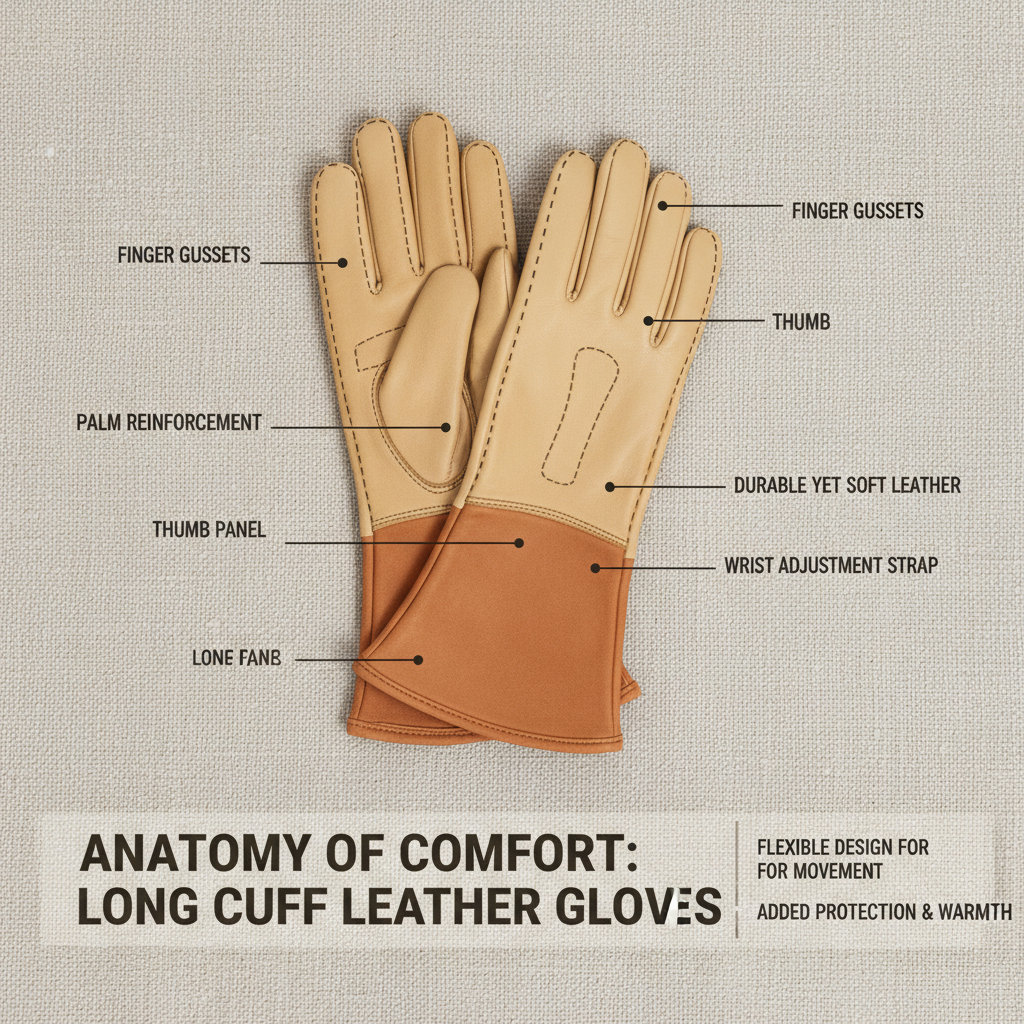
The first pillar of quality in leather sports gloves is Material Durability. The selection of grain—whether it be full-grain for maximum strength or top-grain for a balance of softness and resilience—determines how the glove handles abrasion. In high-friction sports, the leather must resist "burn-through" during slides, ensuring the skin remains protected under extreme kinetic energy.
Ergonomic Scalability is the second critical factor. Because no two hands are identical, the engineering of the pattern must allow for a "pre-curved" finger position. This reduces the strain on the leather and the hand, preventing the material from bunching in the palm, which is essential for maintaining a consistent grip on sports equipment like handlebars or rackets.
Finally, Breathability and Thermal Regulation ensure that the athlete remains comfortable. High-performance leather is often perforated in non-stress zones to allow heat to escape, while the inner lining may use moisture-wicking fabrics. This prevents perspiration from degrading the leather from the inside out and keeps the wearer's hands at an optimal temperature for peak performance.
Performance Metrics and Material Efficiency
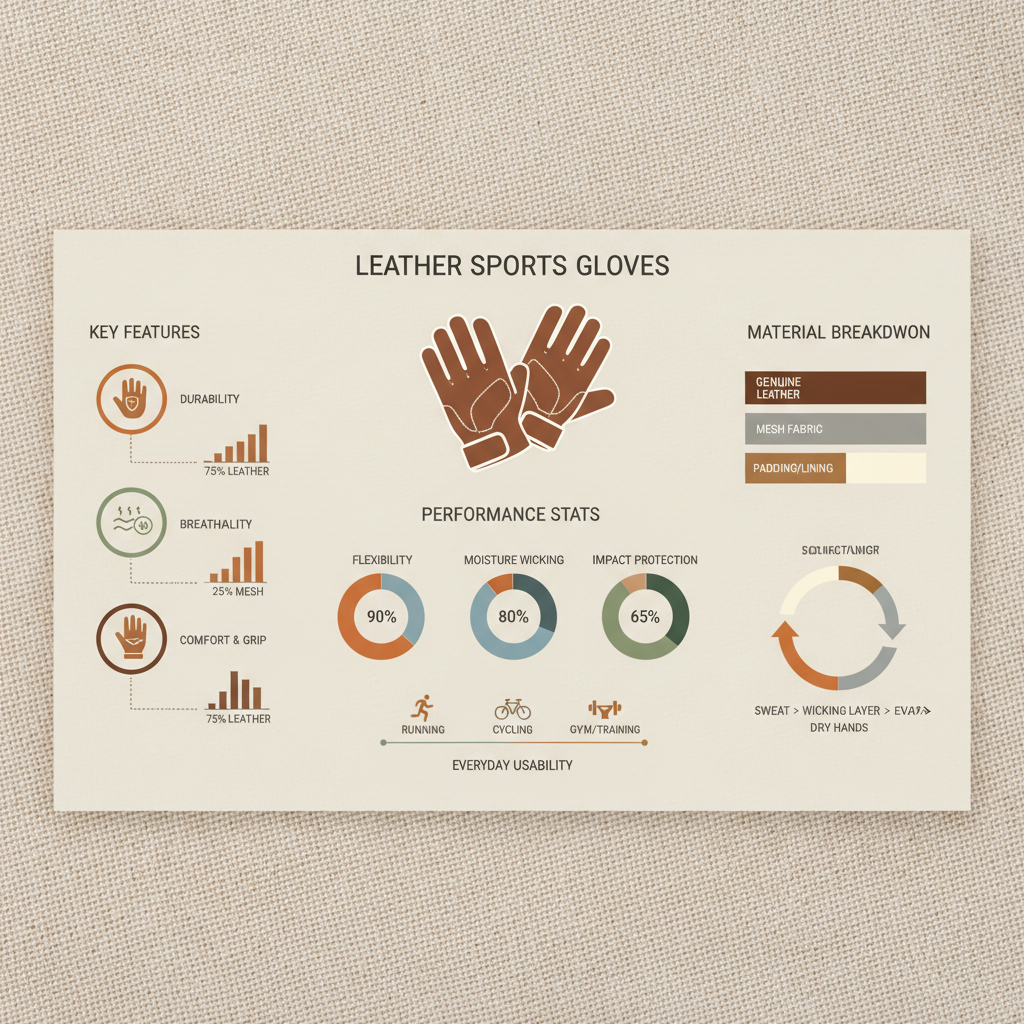
Evaluating the effectiveness of leather sports gloves requires a quantitative approach to material testing. Manufacturers typically measure "tear strength" and "flex fatigue," which indicates how many thousands of times a leather joint can bend before the fibers begin to break down. This ensures that the gear does not fail during a critical moment of a competition.
Beyond raw strength, the "coefficient of friction" is analyzed to ensure the leather provides a secure grip without being overly tacky, which could hinder quick adjustments. By analyzing different leather types, we can see a clear divergence in performance based on the specific needs of the sport.
Material Performance Comparison for Leather Sports Gloves
Global Applications and Use Case Analysis
The application of leather sports gloves spans diverse geographic and athletic landscapes. In the European alpine regions, leather is the gold standard for ski and snowboard gloves due to its natural wind-breaking properties and ability to be waterproofed without losing flexibility. Here, the focus is on thermal retention and moisture exclusion to prevent frostbite.
Conversely, in the professional racing circuits of North America and Asia, the focus shifts to extreme abrasion resistance. In motorcycle racing, leather gloves are engineered with reinforced palms and sliders. In these contexts, the leather is treated to withstand high-velocity slides on asphalt, providing a critical safety window that saves athletes from debilitating skin loss during accidents.
Long-Term Value and Sustainability Benefits
Investing in high-quality leather sports gloves offers a tangible long-term economic advantage over cheap synthetic alternatives. While the initial cost is higher, the lifespan of a well-maintained leather glove can be three to five times longer than that of a polyurethane-based glove. This reduces the frequency of replacement, thereby lowering the overall cost of ownership for the athlete.
From a sustainability angle, leather is a biodegradable natural polymer. When sourced from certified tanneries that utilize closed-loop water systems and vegetable tannins, leather becomes a much more environmentally responsible choice than petroleum-based synthetics. The "slow fashion" movement in sports gear emphasizes this durability, encouraging users to repair rather than replace.
Beyond the logical and financial benefits, there is an emotional value tied to leather. The trust an athlete places in their gear—knowing that their hands are shielded by a material that has protected humans for millennia—provides a psychological confidence that allows them to perform at their peak without fear of equipment failure.
Future Innovations in Leather Sports Technology
The future of leather sports gloves lies in the intersection of biotechnology and material science. We are seeing the emergence of "lab-grown leather," which replicates the collagen structure of animal hides without the environmental footprint of livestock farming. This digital transformation in manufacturing allows for precise control over the thickness and strength of the leather at a microscopic level.
Additionally, the integration of smart textiles is becoming a reality. Future gloves may feature embedded sensors within the leather layers to monitor grip pressure, heart rate, or hand temperature, transmitting real-time data to a coach's tablet. This fusion of traditional leatherwork and IoT (Internet of Things) will redefine how athletes train and refine their technique.
Automation in the cutting and stitching process is also reducing waste and increasing consistency. AI-driven pattern optimization ensures that every piece of leather is used to its maximum potential, reducing scrap and lowering the carbon footprint of the production line.
Comparative Analysis of Leather Sport Glove Technologies
| Technology Type |
Primary Benefit |
Impact Score (1-10) |
Market Readiness |
| Lab-Grown Collagen |
Eco-Sustainability |
9 |
Emerging |
| IoT Sensor Integration |
Real-time Analytics |
7 |
Prototype |
| Chrome-Free Tanning |
Non-Toxic Production |
8 |
Available |
| Kevlar-Leather Hybrid |
Extreme Abrasion Resistance |
10 |
Widespread |
| Hydrophobic Coating |
Water-Repellency |
6 |
Available |
| AI Pattern Cutting |
Waste Reduction |
8 |
Implemented |
FAQS
Leather has a natural fiber structure that creates a "micro-interlock" with surfaces, providing a more organic and secure grip. Unlike synthetics, which can become slippery when wet or overly sticky in heat, premium leather maintains a consistent friction coefficient and molds to the specific contours of the athlete's grip over time.
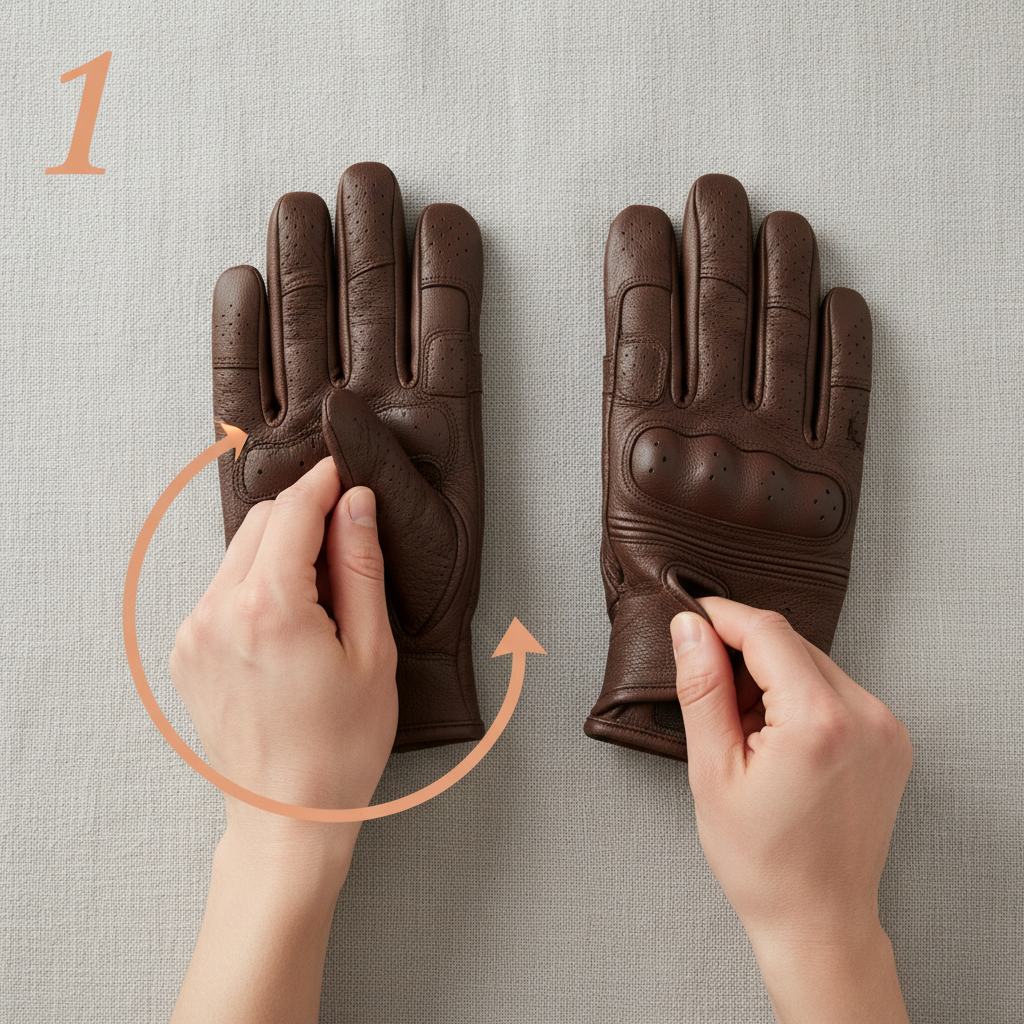
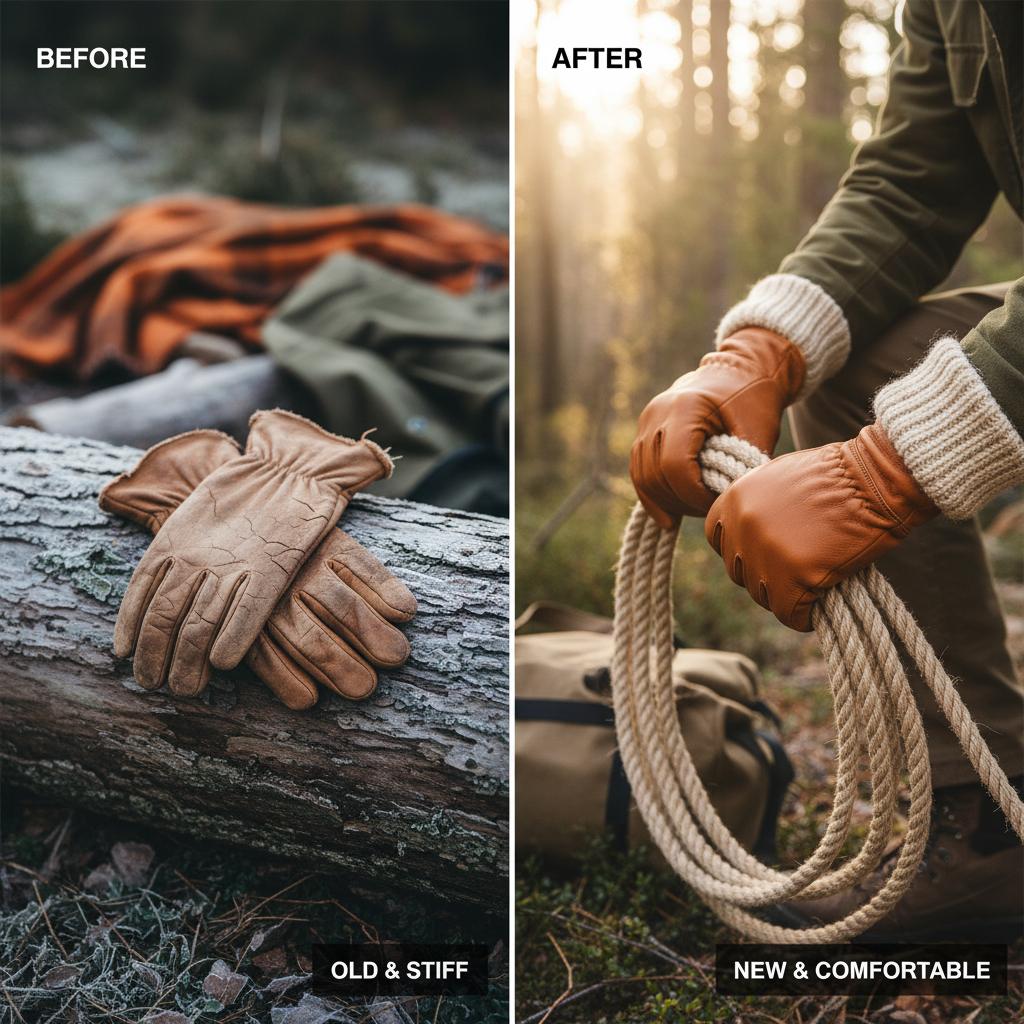
To maximize lifespan, avoid overheating the leather (like placing them directly on a radiator). Use a leather-specific conditioner to keep the fibers supple and prevent cracking. After exposure to moisture, air-dry them naturally and use a soft brush to remove debris from the grain to prevent abrasive wear.
Yes, leather is the industry standard for high-impact sports due to its exceptional abrasion resistance. Professional racing gloves often use cowhide or kangaroo leather combined with reinforced palms and hard-shell protectors to shield the hands from friction burns and impact during a slide.
While leather is naturally water-resistant, it can be made fully waterproof through specialized tanning processes or by adding a breathable waterproof membrane (like Gore-Tex) between the leather outer and the inner lining. This allows the glove to block water while still letting sweat vapor escape.
Full-grain leather includes the entire thickness of the hide and is the strongest and most durable, ideal for heavy-duty sports. Top-grain leather has the outermost layer sanded down to remove imperfections, making it thinner and more flexible, which is better for sports requiring high dexterity, such as baseball or golf.
Yes, many manufacturers are now using vegetable-tanned leather, which replaces harsh chemicals with natural tannins from bark and leaves. Additionally, the rise of recycled leather and lab-grown alternatives is providing sustainable paths for athletes who want high performance without the ecological cost of traditional farming.
Conclusion
In summary, leather sports gloves represent a perfect synergy of traditional craftsmanship and modern protective science. From the selection of high-tensile hides to the integration of smart technologies and ergonomic design, these products provide an irreplaceable combination of durability, safety, and tactile precision. By focusing on material quality and sustainable production, the industry continues to protect athletes across the globe, ensuring that gear is never the limiting factor in human performance.
Looking ahead, the transition toward bio-fabricated leathers and IoT-integrated wearables will further elevate the standards of athletic protection. For professionals and hobbyists alike, choosing high-grade leather is not just a preference for style, but a strategic investment in safety and longevity. We invite you to explore our full range of professional gear to find the perfect fit for your discipline. Visit our website: www.personalcarescn.com.cn