In the demanding world of industrial safety and specialized apparel, long cuff leather gloves stand as a critical barrier between the wearer and hazardous environments. Unlike standard hand protection, these extended-cuff designs are engineered to safeguard not only the palms and fingers but also the delicate wrist and lower forearm areas from abrasions, heat, and chemical splashes.
The global demand for high-performance protective gear has surged as industries transition toward more rigorous safety standards, such as those outlined by ISO and OSHA. For professionals in welding, heavy manufacturing, and livestock handling, the choice of glove can be the difference between a routine workday and a debilitating injury, making the structural integrity of long cuff leather gloves a priority for procurement managers worldwide.
Understanding the nuances of leather grades, cuff lengths, and stitching techniques allows businesses to optimize worker productivity while reducing insurance liabilities. By focusing on the synergy between ergonomic design and material durability, long cuff leather gloves provide the essential security needed to perform complex tasks in the most punishing conditions.
Global Industry Context of Long Cuff Leather Gloves
The global market for protective handwear is intrinsically linked to the growth of the manufacturing and construction sectors. As emerging economies expand their industrial footprints, the adoption of long cuff leather gloves has become a benchmark for occupational health and safety. Data from international labor organizations suggest that forearm injuries are often overlooked until a major accident occurs, prompting a shift toward extended protection.
In regions like North America and the EU, strict compliance with EN 388 and ANSI standards drives the technical evolution of these gloves. The challenge lies in balancing the restrictive nature of a long cuff with the need for dexterity. Manufacturers are now leveraging advanced tanning processes to ensure that the leather remains supple yet impenetrable, addressing the historical conflict between safety and comfort.
Defining the Architecture of Long Cuff Leather Gloves
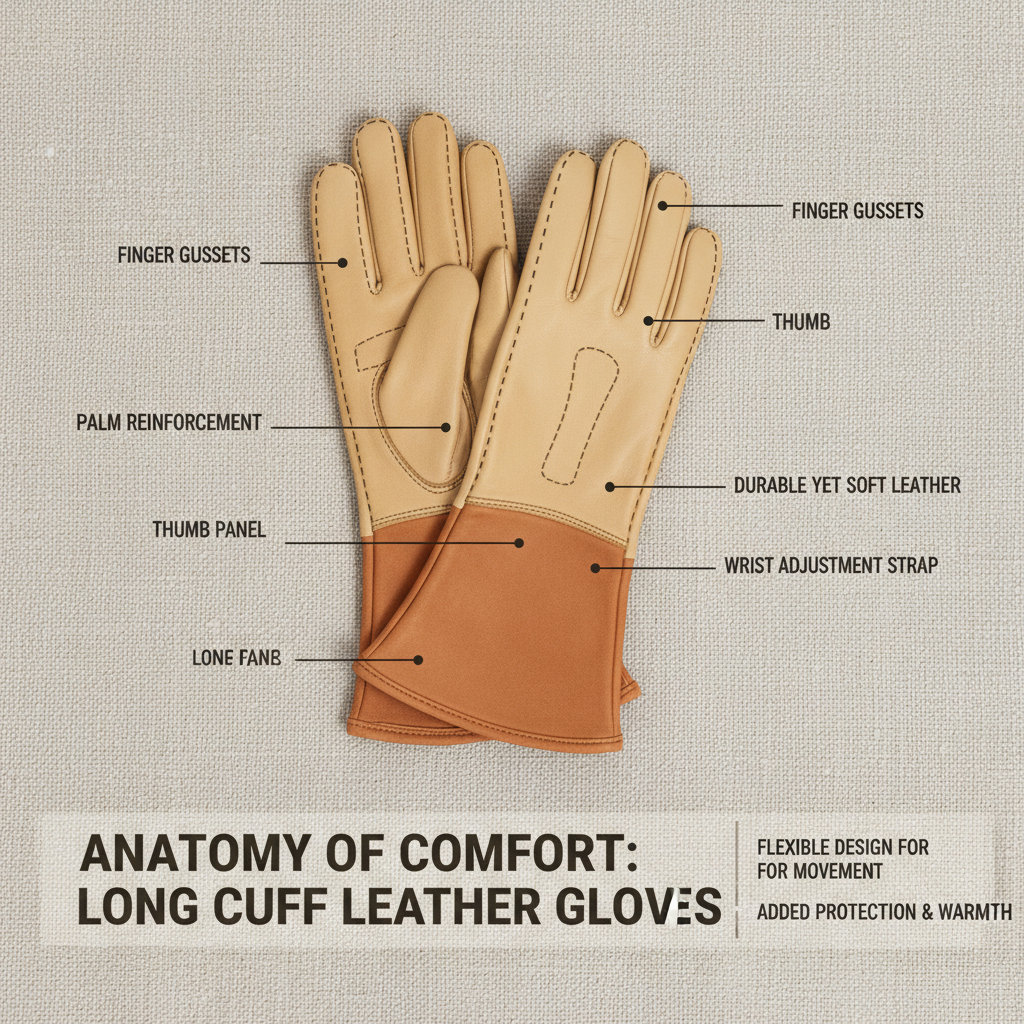
At its core, long cuff leather gloves are specialized protective garments characterized by a shaft that extends well beyond the wrist, typically covering the lower forearm. This design is specifically intended to prevent debris, sparks, or liquid chemicals from entering the glove and to protect the skin from external contact during heavy-duty operations.
Unlike standard work gloves, the "long cuff" refers to a calculated extension that creates a seal or a protective shield. This architectural choice is vital in industries where the risk of "gap injuries"—where foreign objects slip between the sleeve of a jacket and the top of the glove—is high. The integration of reinforced stitching and tapered cuff shapes ensures a secure fit that does not impede the wearer's range of motion.
From a humanitarian and industrial perspective, these gloves are more than just clothing; they are essential PPE (Personal Protective Equipment). Whether used in high-heat foundries or in the handling of livestock in agricultural sectors, the long cuff ensures that the biological vulnerabilities of the wrist joint are shielded from mechanical stress and thermal energy.
Core Components and Material Selection
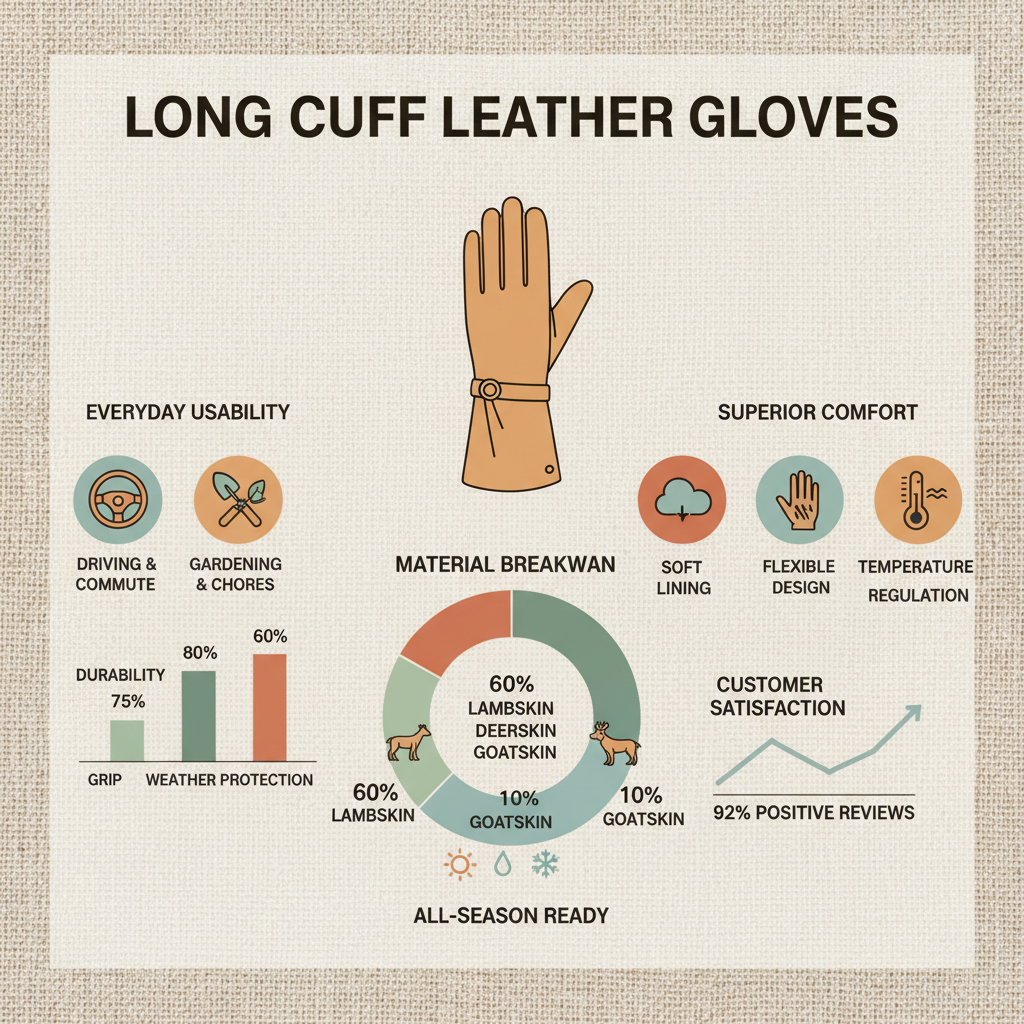
The efficacy of long cuff leather gloves begins with the selection of the hide. Cowhide is the industry standard for general durability, while goatskin is preferred for tasks requiring higher tactile sensitivity. The thickness of the leather, measured in millimeters, determines the glove's ability to resist punctures and cuts.
Beyond the outer shell, the internal lining of long cuff leather gloves plays a pivotal role in thermal regulation. For winter applications, thinsulate or fleece linings are integrated, while industrial variants may use moisture-wicking fabrics to prevent perspiration buildup, which can lead to skin irritation and decreased grip over long shifts.
Finally, the construction methods—such as Kevlar stitching and reinforced palms—ensure that the gloves do not fail at the seams under tension. The cuff closure, whether it be an elasticated wrist or a buckle system, is designed to keep the glove in place, ensuring that the extended protection remains effective regardless of the arm's position.
Performance Metrics and Durability Analysis
Evaluating the quality of long cuff leather gloves requires a quantitative approach to material stress and wear. Key metrics include the abrasion resistance cycle count and the tear strength of the cuff-to-palm junction. By analyzing these variables, companies can determine the optimal replacement cycle for their PPE, reducing long-term costs while maintaining safety.
The balance between stiffness and flexibility is often mapped through ergonomic testing. A glove that is too rigid increases fatigue, while one that is too soft fails prematurely. The following data represents a comparative analysis of different leather types used in extended-cuff designs across various performance indicators.
Comparative Performance of Long Cuff Leather Glove Materials
Global Applications and Industrial Use Cases
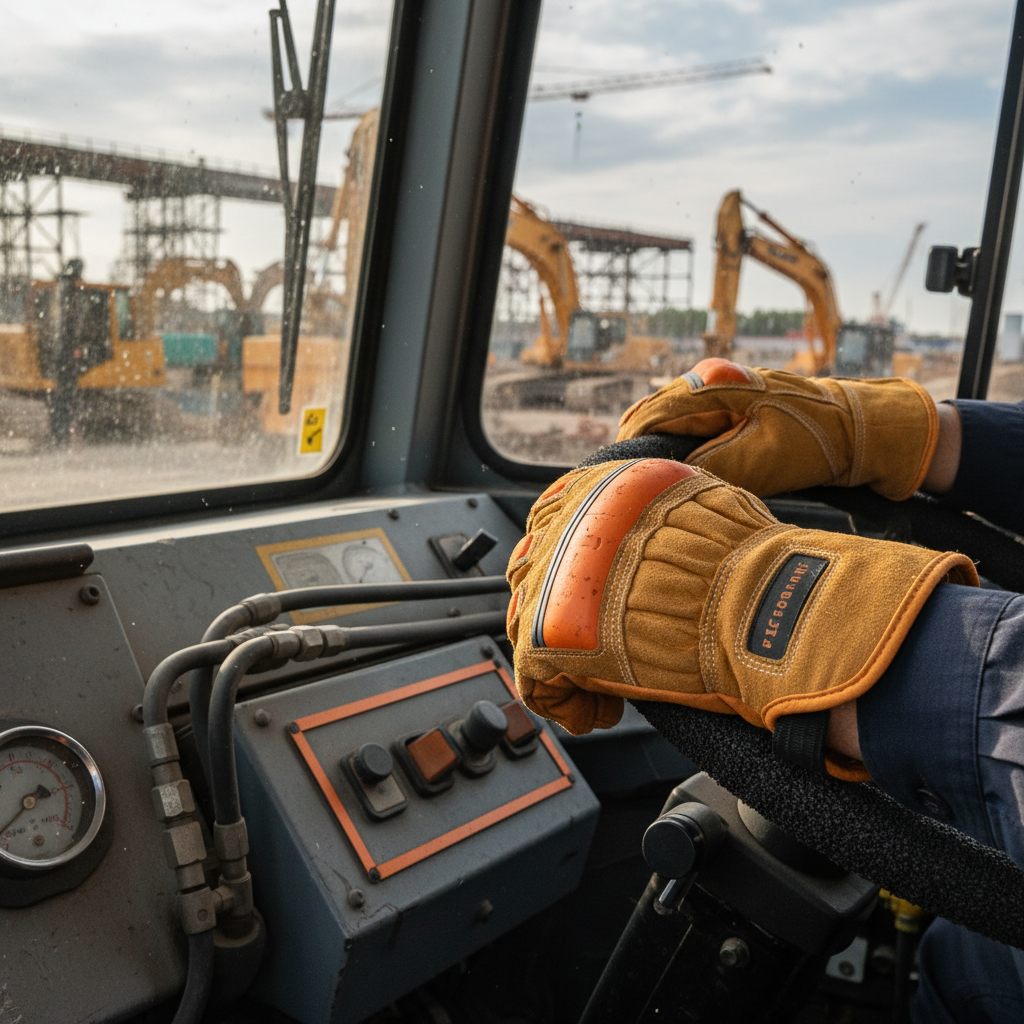
In the realm of heavy industry, long cuff leather gloves are indispensable for welding and smelting. The extended cuff protects the welder's forearm from intense UV radiation and flying sparks, which can cause severe burns if they penetrate a standard glove's opening. In these high-heat environments, chrome-tanned leather is often treated with fire-retardant chemicals to enhance safety.
Beyond the factory, these gloves find critical use in the agricultural and livestock sectors. For instance, in the handling of cattle or horses, the long cuff prevents scratches and bites from reaching the wrist. Similarly, in remote industrial zones where workers handle rough timber or stone, the added length provides a necessary layer of protection against splinters and jagged edges, ensuring operational continuity in harsh terrains.
Long-Term Value and Safety Advantages
Investing in high-quality long cuff leather gloves yields tangible economic benefits through the reduction of workplace accidents. While the initial cost may be higher than short-cuff alternatives, the decrease in medical leave and workers' compensation claims provides a significant return on investment. Reliability in the field fosters a culture of safety and trust among employees.
Moreover, the psychological impact of wearing superior protective gear cannot be overstated. When a worker feels secure and protected, their focus shifts from potential danger to task precision, which naturally increases productivity. The dignity of providing employees with professional-grade equipment enhances morale and reduces turnover in high-risk roles.
From a sustainability perspective, choosing premium leather that is sourced ethically and tanned using eco-friendly processes ensures that the gloves have a longer lifecycle. This reduces the frequency of replacement and minimizes the environmental footprint of the industrial supply chain, aligning safety goals with corporate social responsibility.
Future Trends in Protective Glove Innovation
The future of long cuff leather gloves is being shaped by the integration of smart materials. We are seeing the emergence of "intelligent leather"—hides embedded with sensors that can detect temperature spikes or chemical leaks, alerting the wearer via haptic feedback before a breach occurs. This digital transformation is turning passive PPE into active safety systems.
Sustainability is also driving a shift toward bio-fabricated leathers and recycled polymers that mimic the strength of bovine hide. These innovations aim to provide the same mechanical protection as traditional leather while adhering to stricter global carbon neutrality goals. Automation in the cutting and stitching process is further reducing waste and ensuring a more consistent fit across different sizes.
As ergonomics evolve, we expect to see more customizable cuff lengths and adjustable tensioning systems that use 3D-scanning technology to fit the specific anatomy of the user. This personalization will eliminate the "one size fits all" inefficiency, maximizing both the safety and the comfort of the long cuff design.
Comparison of Leather Glove Technology Generations
| Generation |
Primary Material |
Protection Level |
Key Innovation |
| Traditional |
Basic Cowhide |
Moderate |
Extended Cuff Length |
| Modern Industrial |
Treated Split Leather |
High |
Kevlar Stitching |
| Eco-Friendly |
Chrome-Free Leather |
High |
Sustainable Tanning |
| Advanced Hybrid |
Leather + Aramid |
Very High |
Cut-Resistant Lining |
| Smart PPE |
Sensor-Integrated Hide |
Maximum |
Real-time Hazard Alerts |
| Future Bio |
Lab-Grown Collagen |
High |
Zero-Waste Production |
FAQS
The primary advantage is the extended coverage of the forearm. In environments with sparks, chemical splashes, or abrasive materials, a standard glove leaves the wrist exposed. Long cuff leather gloves bridge the gap between the glove and the sleeve, preventing hazardous materials from entering the glove and protecting the skin from direct contact injuries.
It depends on the application. Cowhide is best for heavy-duty abrasion and puncture resistance. Goatskin offers superior dexterity and is ideal for precision work. For heat-intensive tasks like welding, split leather or treated cowhide is recommended for its thermal insulation properties and durability.
To maintain leather gloves, keep them dry and away from direct heat sources when not in use. Use a leather conditioner periodically to prevent the material from cracking. If they become wet, allow them to air dry naturally; forced heat can shrink the leather and ruin the ergonomic fit of the cuff.
Yes, provided they are equipped with the correct lining. Leather is naturally wind-resistant, and when combined with thinsulate or fleece interiors, long cuff gloves provide excellent warmth. The extended cuff further helps by trapping heat and preventing cold air from entering the sleeve.
When properly engineered, no. Quality long cuff leather gloves utilize a tapered design and flexible leather grades that allow for a full range of motion. The goal is to provide protection without restricting the wearer's ability to bend their wrist or move their arm freely.
Businesses should partner with manufacturers who comply with international shipping standards and provide full certification (ISO/EN). Ensuring the supplier provides detailed material safety data sheets (MSDS) and customs documentation helps streamline the import process and ensures the PPE meets local safety regulations.
Conclusion
The implementation of long cuff leather gloves is a fundamental step in enhancing workplace safety and operational efficiency. By combining high-grade leather materials with a design that prioritizes forearm protection, these gloves effectively mitigate the risks of burns, punctures, and abrasions in the most challenging industrial environments. From the selection of the hide to the precision of the stitching, every element contributes to a shield that ensures worker longevity and peace of mind.
Looking forward, the integration of sustainable materials and smart sensor technology will further redefine the role of protective handwear. We encourage safety officers and procurement managers to move beyond the "minimum requirement" mindset and invest in superior, ergonomically designed leather protection. By prioritizing quality today, you are investing in a safer, more productive workforce for tomorrow. Visit our website for more professional solutions: www.personalcarescn.com.cn