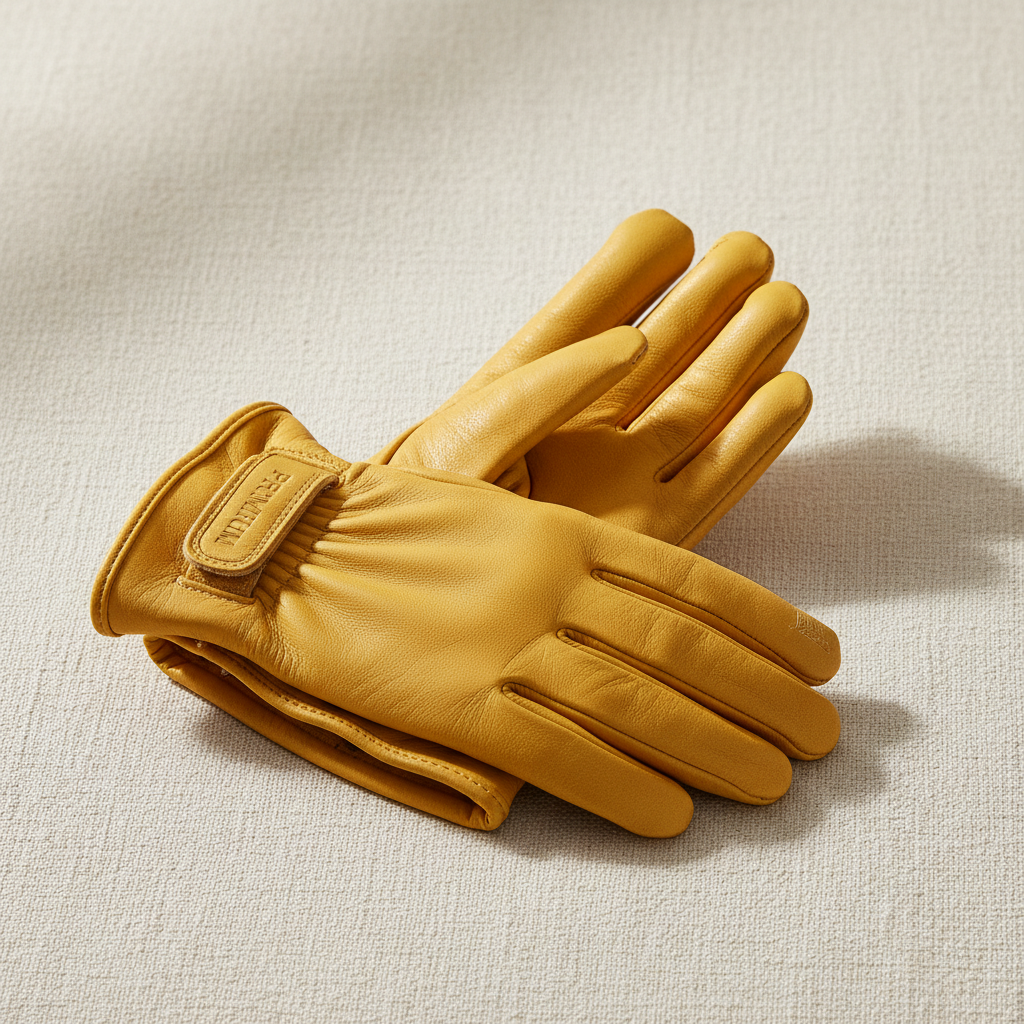
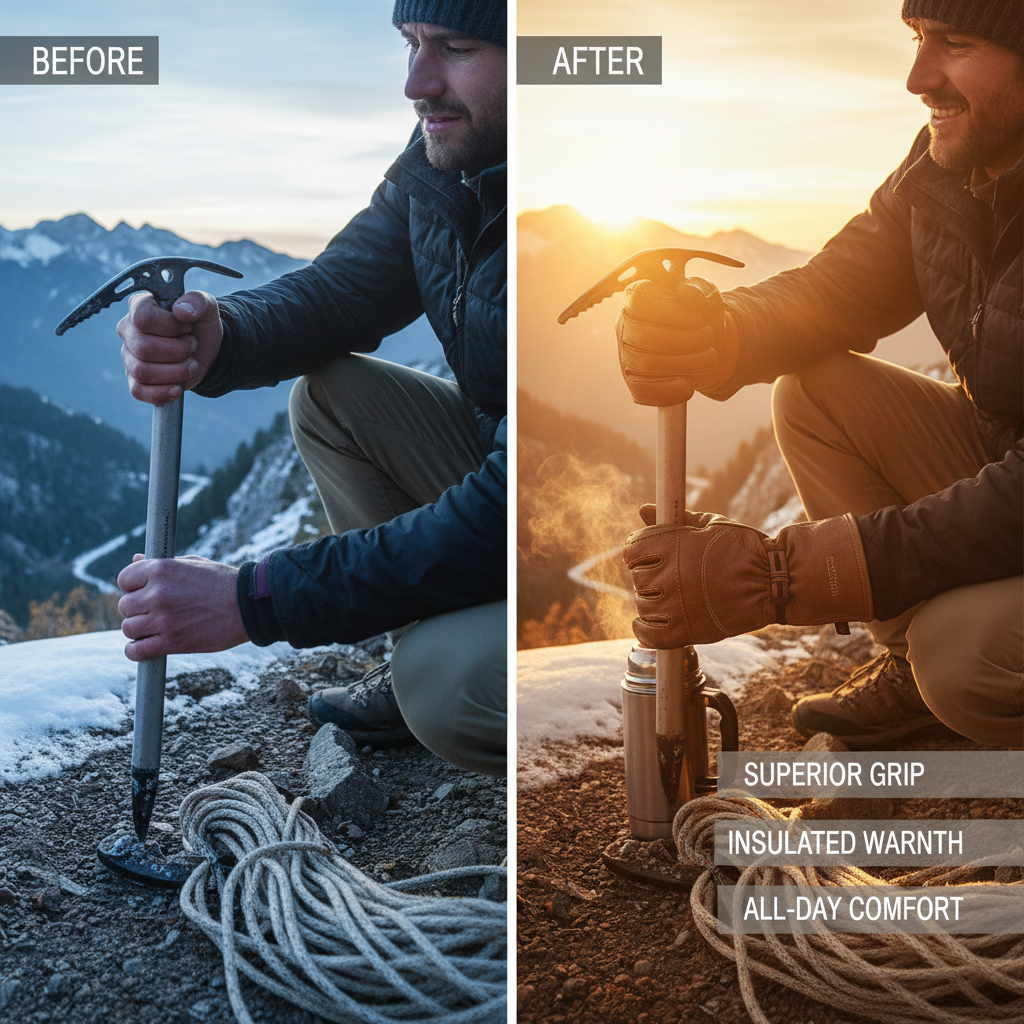
Look, I've spent years crawling around construction sites, getting my hands dirty with everything from concrete to steel. And let me tell you, a good pair of gloves is the difference between a productive day and a miserable one. We're talking about leather cycling gloves here, specifically. Now, you might think cycling gloves… what do they have to do with construction? Well, the principles are the same: protection, dexterity, and durability. I've seen guys with shredded hands trying to handle rebar because they skimped on gloves. That’s just not smart. We need something that can take a beating, protect our skin, and still let us actually do the work.
Over the years, I’ve noticed a real shift in what guys are looking for. It’s not just about tough leather anymore. It’s about comfort, fit, and features. A pair of gloves that feels like an extension of your hand, that lets you manipulate small parts without fumbling. That’s a game-changer. And let’s be real, we’re working long hours. Blisters and chafing can ruin your whole week. It’s a balance, finding that sweet spot between ruggedness and comfort, and that’s where quality leather cycling gloves – designed with real-world use in mind – really shine.
What’s often overlooked is how much these gloves can save a company. Reduced injuries mean fewer worker's comp claims. Increased efficiency means projects get done faster. And honestly, a crew that’s comfortable and protected is a crew that’s more motivated. It's a small investment that pays dividends, and too many foremen still don’t get that. They're stuck in the "tough it out" mentality, but that's a recipe for disaster in the long run. Leather cycling gloves are becoming a key part of that change.
The Importance of Leather Cycling Gloves in Demanding Environments
I've seen firsthand how critical proper hand protection is. You're dealing with abrasive materials, sharp edges, impacts…your hands are constantly taking a beating. Leather cycling gloves, when built tough, can significantly reduce the risk of cuts, scrapes, and blisters. It's not just about preventing injuries either. It's about maintaining grip and control, especially when working with power tools or delicate equipment.
The environment matters too. Wet conditions, extreme temperatures… these all impact grip and dexterity. A good leather glove will maintain its grip even when wet, unlike some synthetic materials. And that’s crucial when you’re dealing with anything from slippery rebar to electrical wiring. It’s a deceptively simple piece of kit, but it makes a huge difference in overall safety and productivity.
Understanding Leather Quality and Construction
Now, not all leather is created equal. You’ve got your full-grain leather, which is the highest quality and most durable. That's what you want for heavy-duty work. Then you’ve got top-grain, split-grain, and bonded leather – each progressively lower in quality and durability. I always tell guys, pay the extra money for full-grain if you can. It’ll last longer and protect you better. Look at the thickness of the leather too. Heavier leather offers more protection, but can also reduce dexterity.
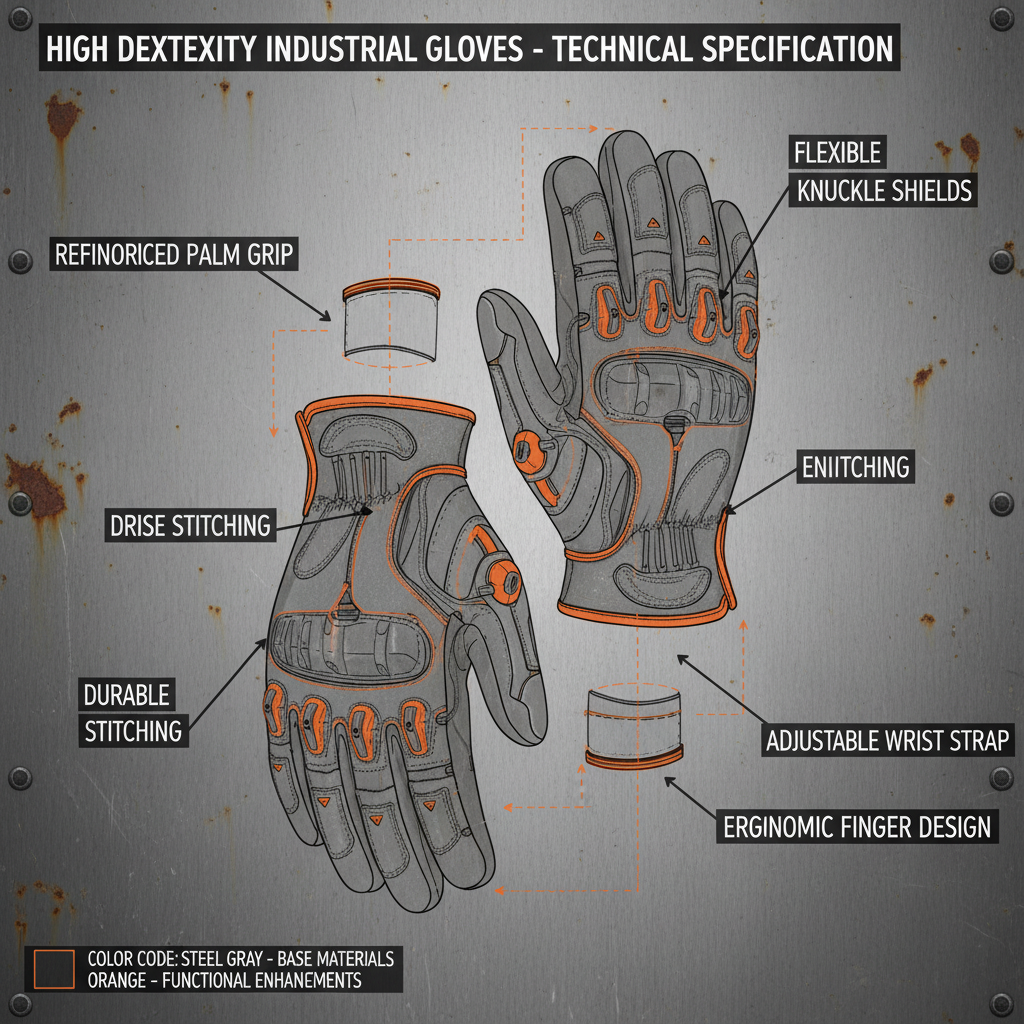
Construction is key as well. Look for gloves with reinforced stitching in high-stress areas like the fingertips and palms. Double stitching is a must. And the way the leather is cut and assembled matters. A seamless palm is more comfortable and reduces chafing. Avoid gloves with a lot of bulky seams or unnecessary padding. You want something that fits snug but allows for full range of motion.
The tanning process also matters. Vegetable-tanned leather is more environmentally friendly and tends to be softer and more pliable than chrome-tanned leather. But it’s also more expensive. It's a trade-off, but if you're concerned about sustainability, vegetable-tanned is the way to go. I've seen guys swear by one or the other, and it really comes down to personal preference and the specific job requirements.
Key Features for Enhanced Performance
Beyond the leather itself, there are a few key features that can really elevate a pair of leather cycling gloves. Padding in the palms is a big one. It absorbs impact and reduces vibration, which is especially important when using power tools. Reinforced fingertips provide extra protection against abrasions and punctures.
Wrist closures are also crucial. You want a secure closure that keeps the gloves from slipping off, but isn’t so tight that it restricts circulation. Velcro closures are common, but some guys prefer adjustable straps. And don’t overlook breathability. Leather can get hot and sweaty, so look for gloves with ventilation holes or moisture-wicking linings.
The overall fit is paramount. Too loose, and you lose dexterity and control. Too tight, and you cut off circulation and end up with cramping. It’s worth taking the time to find gloves that fit your hands properly. A good glove should feel like a second skin – comfortable, secure, and allowing for a full range of motion.
Performance Metrics: Comparing Leather Cycling Glove Options
When evaluating different leather cycling gloves, there are a few key metrics to consider. Abrasion resistance is critical – how well does the leather stand up to rubbing and scraping? Impact resistance measures how well the gloves protect against impacts. Grip strength assesses how well you can maintain a secure hold on tools and materials.
Dexterity is also important – how easily can you manipulate small objects? And finally, comfort is subjective, but essential. A comfortable glove is a glove you'll actually wear, and that's the best protection of all.
Leather Cycling Glove Performance Comparison
Global Applications and Industry Standards
We see leather cycling gloves being used in all sorts of industries worldwide – construction, manufacturing, welding, landscaping, even agriculture. Different regions have different standards, but generally, you’re looking for gloves that meet ANSI/ISEA standards in the US, EN 388 in Europe, and similar certifications elsewhere. These standards ensure a certain level of protection against cuts, abrasions, punctures, and impacts.
In Europe, there's a big push towards sustainability, so you're seeing more demand for vegetable-tanned leather and gloves made with recycled materials. In North America, it’s more about durability and performance. And in Asia, cost is often a major factor. But across the board, the demand for quality, well-made leather cycling gloves is growing.
Long-Term Value: Cost Analysis and Sustainability
Look, cheap gloves might seem like a good deal upfront, but they'll cost you more in the long run. They wear out faster, offer less protection, and ultimately, can lead to injuries. Investing in a quality pair of leather cycling gloves is a smart business decision. They’ll last longer, reduce the risk of injuries, and improve productivity.
And let's not forget about sustainability. Leather is a natural material, and if sourced responsibly, can be a sustainable option. Choosing gloves made with vegetable-tanned leather and ethical manufacturing practices is a step in the right direction. It's about considering the entire lifecycle of the product, not just the initial cost.
Proper maintenance also extends the life of the gloves. Cleaning them regularly and conditioning the leather will keep them supple and prevent cracking. It's a small effort that can make a big difference.
Future Trends and Innovations in Leather Cycling Gloves
We're starting to see some exciting innovations in leather cycling gloves. New materials are being developed that offer even greater abrasion resistance and impact protection. Smart gloves with integrated sensors are also on the horizon – these could provide real-time feedback on pressure, temperature, and vibration.
Another trend is the use of 3D printing to create custom-fit gloves. This would eliminate the guesswork of sizing and ensure a perfect fit for every hand. And of course, there’s continued research into more sustainable tanning processes and materials.
I think we’ll also see more integration of technology into glove design, like conductive fingertips for using touchscreens without removing the gloves. It’s all about making gloves smarter, safer, and more comfortable for the worker.
Summary of Key Factors in Selecting Leather Cycling Gloves
| Leather Quality |
Construction & Stitching |
Key Features (Padding, Closure) |
Durability & Longevity |
| Full-grain leather offers the best protection and longevity. |
Double stitching in high-stress areas is crucial for preventing rips and tears. |
Palm padding absorbs impact, while a secure wrist closure prevents slippage. |
High-quality leather and construction translate to a longer lifespan. |
| Top-grain leather is a good compromise between cost and durability. |
Reinforced fingertips provide extra protection against abrasions and punctures. |
Breathable materials prevent overheating and improve comfort. |
Regular cleaning and conditioning extend the life of the gloves. |
| Split-grain leather is less durable and offers limited protection. |
Seamless palm construction reduces chafing and improves comfort. |
Adjustable wrist closures allow for a customized fit. |
Avoid gloves with loose stitching or damaged leather. |
| Bonded leather is the lowest quality and least durable option. |
Look for gloves that meet relevant industry standards (ANSI, EN 388). |
Consider gloves with touchscreen-compatible fingertips. |
Investing in quality gloves reduces the need for frequent replacements. |
| Vegetable-tanned leather is more sustainable but can be more expensive. |
Check the stitching density – more stitches per inch indicate better quality. |
Evaluate the overall fit and comfort of the gloves. |
Prioritize gloves that offer a balance of protection, durability, and comfort. |
| Chrome-tanned leather is more common and affordable, but less environmentally friendly. |
Examine the quality of the leather – look for a consistent grain and texture. |
Consider the specific hazards of your work environment when selecting gloves. |
Proper storage can help to preserve the condition of your gloves. |
FAQS
Full-grain leather is the most durable as it uses the entire grain of the hide, offering maximum strength and natural protection. Top-grain leather has had the top layer sanded to remove imperfections, making it softer but less durable. For demanding jobs, full-grain is the way to go, though top-grain provides a good balance of comfort and cost for lighter tasks. Choosing the right one depends on the job.
Regular cleaning is key. Wipe down your gloves after each use with a damp cloth to remove dirt and grime. Occasionally, use a leather conditioner to keep the leather supple and prevent cracking. Avoid exposing them to extreme heat or direct sunlight, as this can dry out the leather. Proper storage is also important – store them in a cool, dry place when not in use.
Traditionally, leather isn’t conductive enough for touchscreen use. However, many modern leather cycling gloves now feature conductive fingertips or palm areas specifically designed for touchscreen compatibility. Look for gloves that explicitly advertise this feature if you need it.
Proper sizing is crucial. Measure the circumference of your hand just below your knuckles. Consult the manufacturer’s size chart, as sizing can vary between brands. A snug fit is ideal – not too tight that it restricts movement, but not so loose that you lose grip and control. Try them on with a light layer of clothing if you typically wear gloves with sleeves.
In the US, look for gloves that meet ANSI/ISEA standards. In Europe, EN 388 is the standard to check. These standards indicate the glove’s performance in terms of abrasion resistance, cut resistance, tear resistance, and puncture resistance. Ensure the gloves are certified for the specific hazards present in your work environment.
Yes! Look for gloves made with vegetable-tanned leather, which uses a more environmentally friendly tanning process compared to chrome tanning. Also, consider brands that prioritize ethical sourcing and sustainable manufacturing practices. Some companies are even exploring the use of recycled leather materials in their gloves.
Conclusion
We’ve covered a lot here – from the importance of leather quality to the latest innovations in glove design. But the bottom line is this: a good pair of leather cycling gloves is an investment in your safety, productivity, and long-term well-being. Don’t skimp on quality. Choose gloves that are appropriate for your specific work environment and take care of them properly.
Looking ahead, I expect to see even more advancements in materials and technology, leading to gloves that are even more durable, comfortable, and protective. But at the end of the day, the best glove is the one that feels right, fits well, and gives you the confidence to tackle any job. For more information on finding the right gloves for your needs, visit our website: www.personalcarescn.com.cn.cn