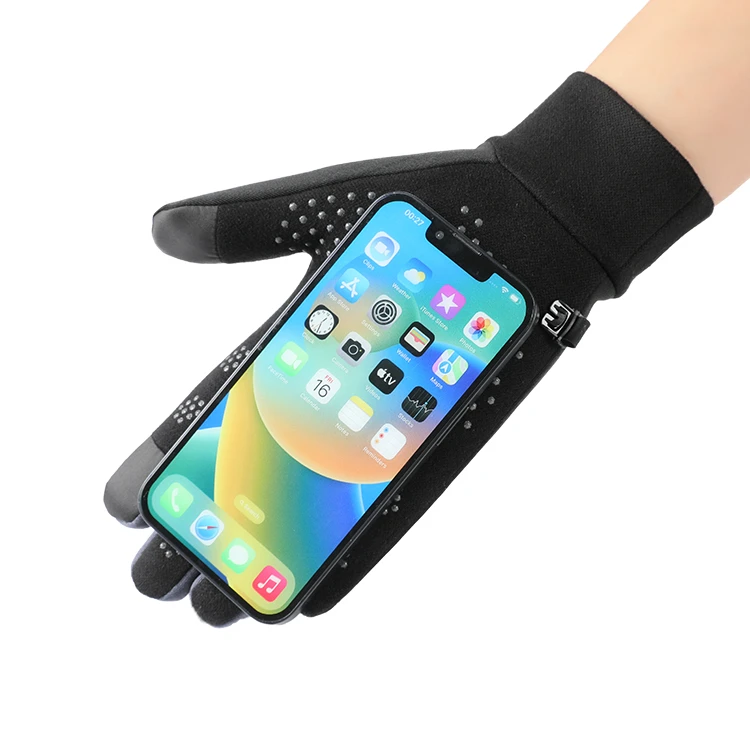
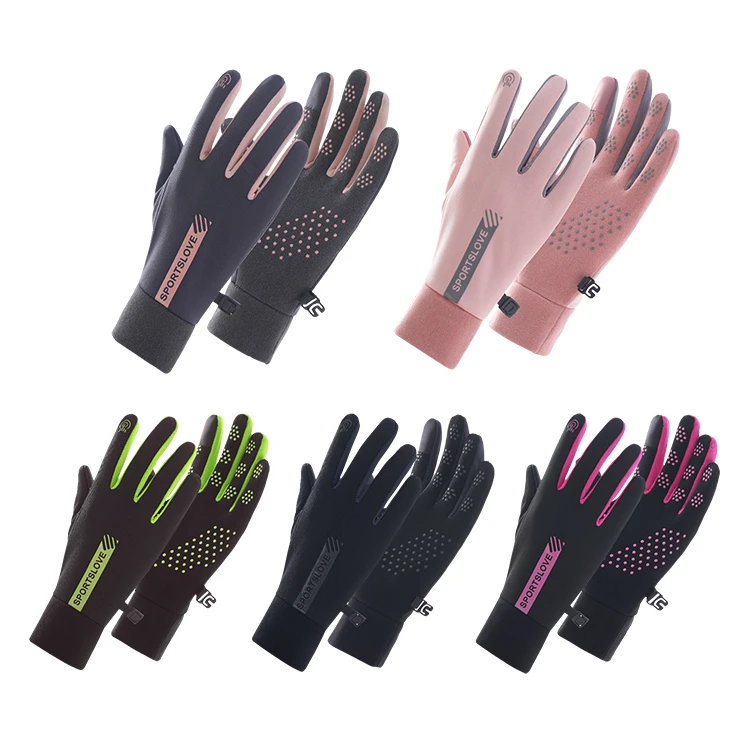
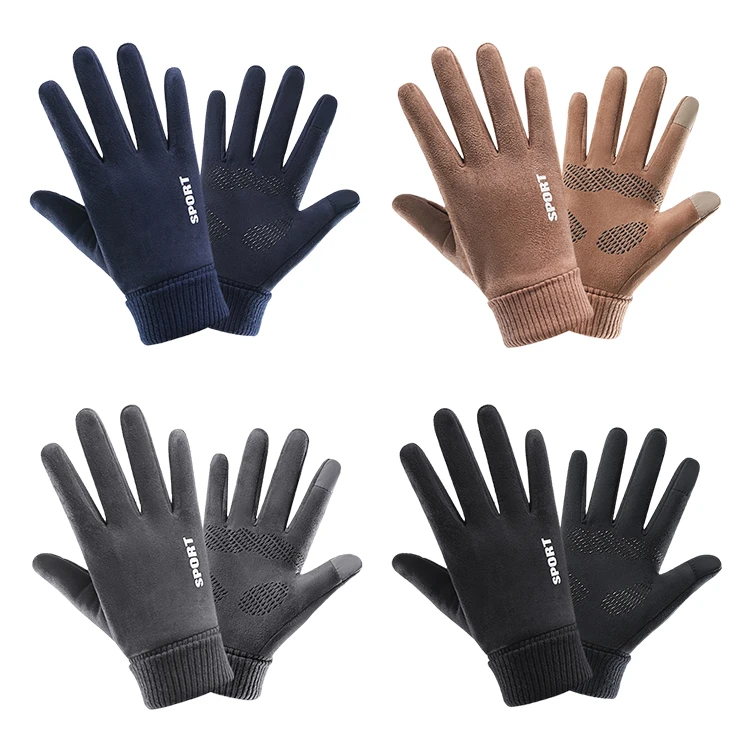
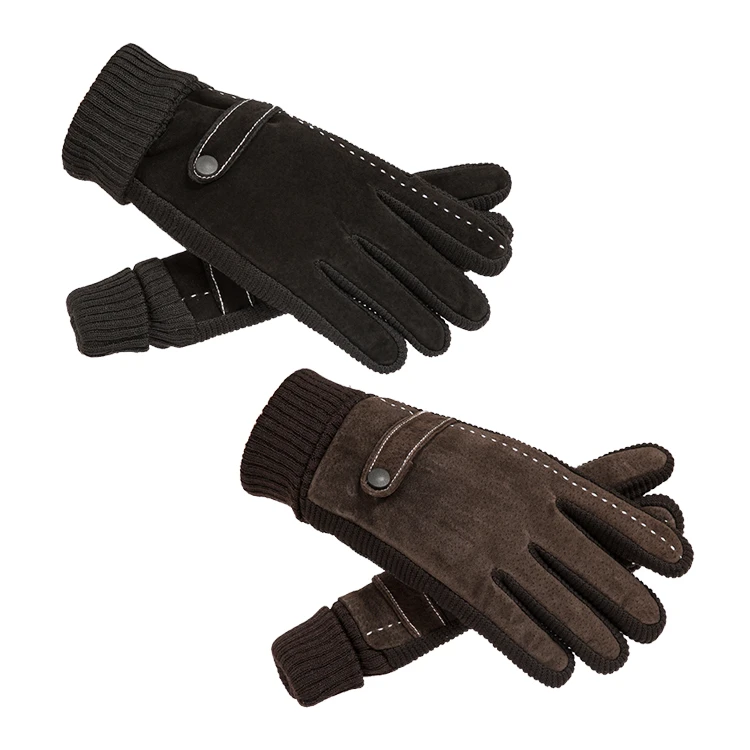
Professional touch gloves manufacturer for high quality brands
Finding the Right Touch Gloves Manufacturer for Your Brand
In an era where smartphones are an extension of our hands, the demand for high-quality capacitive gloves has surged. Whether for winter fashion, sports, or industrial use, partnering with a professional touch gloves manufacturer is essential to ensure that your products offer seamless screen conductivity without sacrificing warmth or style. A reliable manufacturer doesn't just provide a product; they provide the technical expertise to balance fabric breathability with conductive precision. In this guide, we will explore the critical factors in selecting a production partner and the latest trends in touch-screen glove technology.
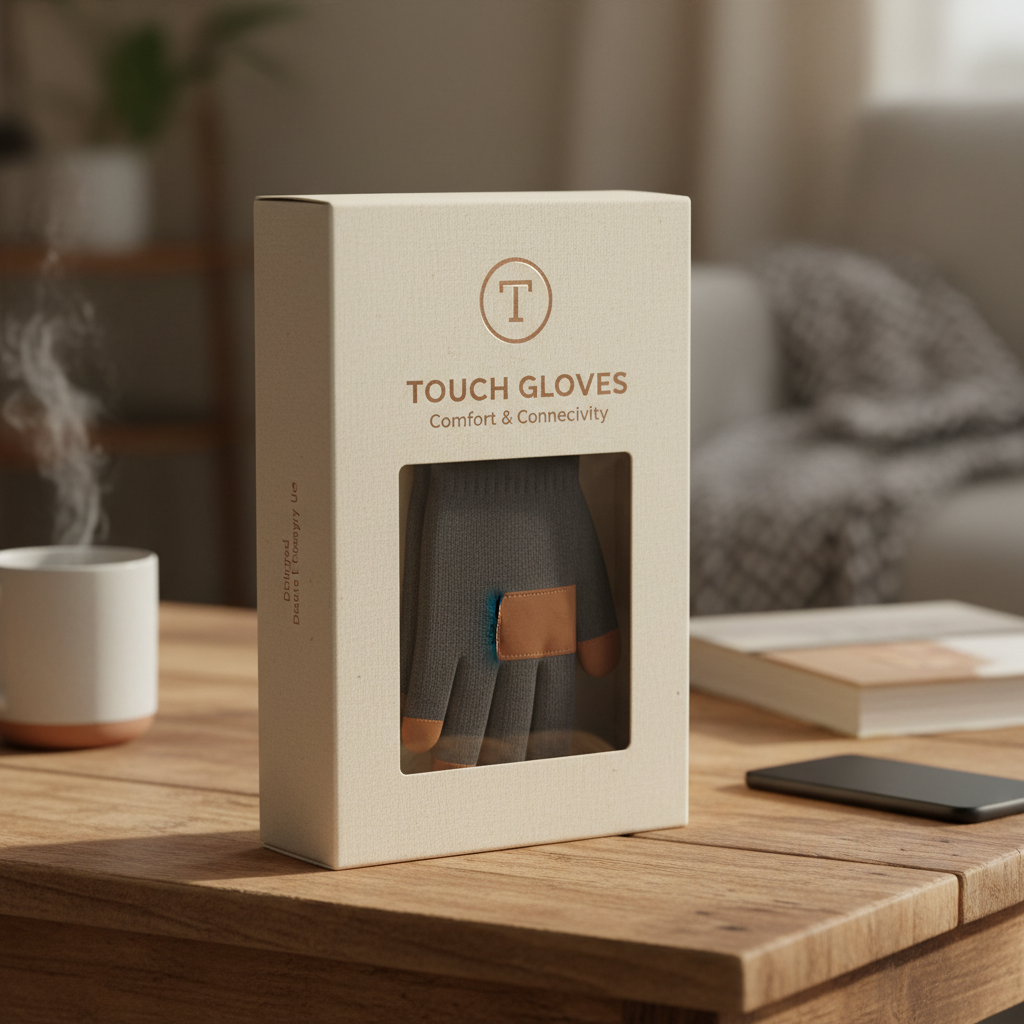
Advanced Materials Used by a Leading Touch Gloves Manufacturer
The secret to a high-performing touch glove lies in the materials. A top-tier touch gloves manufacturer utilizes a variety of conductive elements to ensure compatibility with all capacitive screens. From silver fiber and copper yarn to carbon-infused polymers, the choice of material affects the sensitivity, durability, and feel of the glove. Silver fibers are renowned for their superior conductivity and longevity, while carbon fibers offer a more cost-effective solution for mass-market products. By blending these with premium wool, fleece, or synthetic leather, manufacturers can create a product that feels natural while functioning perfectly.
Material Insight: The integration of conductive yarns directly into the knitting process prevents the "peeling" effect often seen in cheap stick-on conductive pads, ensuring a longer product lifecycle.
Quality Control Standards in Touch Glove Production
Consistency is the hallmark of a professional production line. When working with a touch gloves manufacturer, it is vital to verify their testing protocols. Quality control involves more than just checking the seams; it requires rigorous conductivity testing across various device brands (iOS, Android) and wash-cycle durability tests to ensure the conductive properties don't vanish after a few laundries. Furthermore, ergonomic fitting tests ensure that the gloves provide a snug fit, which is critical for the precise movement required when typing on a smartphone screen.
Comparing Manufacturing Methods for Touch Gloves
There are different ways to achieve touch-screen functionality. Depending on your target market—whether it's luxury fashion or rugged outdoor gear—you may choose different technical approaches. A versatile touch gloves manufacturer will offer several options, ranging from conductive embroidery to fully conductive fabrics. Understanding these differences helps in optimizing both the cost and the user experience of the final product.
Customization Options from a Touch Gloves Manufacturer
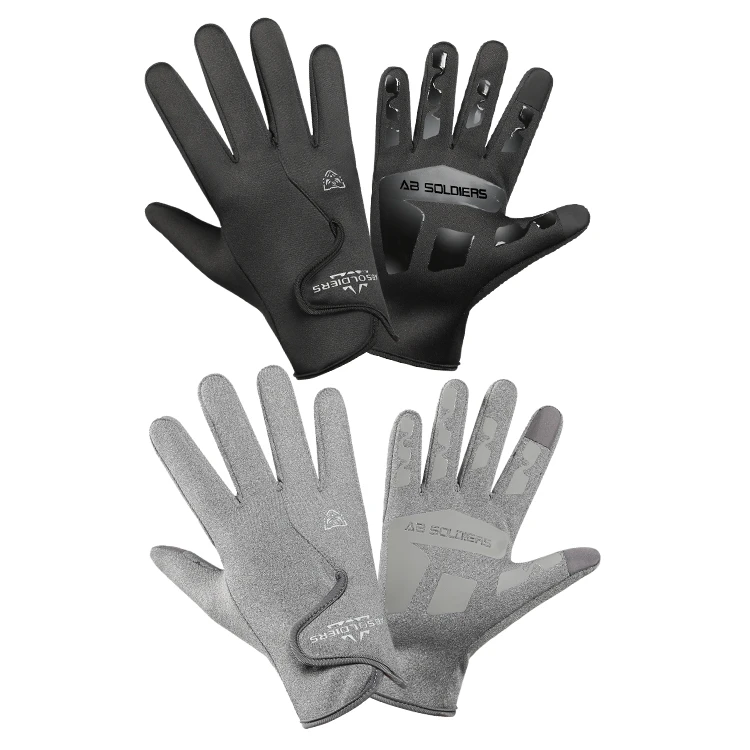
To stand out in a crowded market, customization is key. A professional touch gloves manufacturer provides a wide array of OEM and ODM services. This includes custom logo placement via 3D silicone printing, personalized color palettes, and specific warmth ratings based on the target geography. Whether you need ultra-thin liners for mild autumns or heavy-duty thermal gloves for Arctic conditions, the manufacturing process can be tailored to meet these specific needs. Integration of water-resistant coatings further adds value for outdoor enthusiasts.
Technical Specifications for Wholesale Orders
When placing bulk orders, understanding the technical specifications is crucial for quality assurance. Your chosen touch gloves manufacturer should provide a detailed spec sheet. This ensures that the fabric weight, the percentage of conductive material, and the sizing charts are aligned with your brand's standards. Below is a typical specification table for a premium touch-screen glove line:
Conclusion: Elevating Your Product with a Professional Partner
Choosing the right touch gloves manufacturer is the difference between a product that is simply "functional" and one that provides a premium user experience. By focusing on high-quality conductive materials, rigorous quality control, and flexible customization, you can launch a product that captures the market's attention. Invest in a partnership that values technical precision and aesthetic appeal to ensure your brand remains competitive in the evolving tech-apparel landscape.
Frequently Asked Questions (FAQs)
How does a touch glove actually work with a smartphone?
Most modern smartphones use capacitive touchscreens, which rely on the electrical properties of the human body to detect touch. Standard gloves act as insulators, blocking this electrical connection. A professional touch gloves manufacturer integrates conductive materials—such as silver, copper, or carbon—into the fingertips. These materials allow the tiny electrical charge from your skin to pass through the glove to the screen, tricking the device into thinking your bare finger is touching the glass.
Can conductive gloves be washed without losing their functionality?
Yes, provided they are manufactured using high-quality integrated yarns. Lower-end gloves often use conductive "stickers" or coatings that peel off after a few washes. However, when produced by a reputable manufacturer, the conductive fibers are woven directly into the fabric. To maintain longevity, it is generally recommended to hand wash them or use a gentle machine cycle with cold water and avoid bleach, which can degrade the conductive silver or carbon fibers.
What is the minimum order quantity (MOQ) for custom touch gloves?
MOQs vary depending on the complexity of the customization and the materials used. For standard designs with a simple logo, MOQs may be relatively low. However, for full ODM services—where a touch gloves manufacturer must source specific custom yarns or develop new molds—the MOQ is typically higher. It is best to contact the supplier directly to discuss your specific volume needs and design requirements.
Which conductive material is best for high-end luxury gloves?
For luxury products, silver-plated nylon yarn is the gold standard. It offers the highest level of conductivity, allowing for a thinner fabric profile while maintaining an extremely responsive touch experience. Silver fibers also blend seamlessly with premium materials like cashmere or merino wool without altering the texture or appearance of the glove. This ensures the product remains elegant and high-end while delivering the technical performance expected by luxury consumers.